Aggressive play in cats is a common behavioral issue, especially in kittens and young cats. While it may look harmless at first, behaviors like biting, scratching, or pouncing on hands can become painful and dangerous over time. The good news is that aggressive play can be reduced and even eliminated through proper training, consistency, and understanding your cat’s natural instincts.
Understanding Aggressive Play in Cats
Before training a cat to reduce aggressive behavior, it is important to understand what aggressive play actually is and why it happens. Many cat owners mistake this behavior for bad temperament, but in most cases, it is completely natural and manageable.
What Is Aggressive Play?
Aggressive play occurs when a cat uses hunting behaviors during playtime. Cats are natural predators, and when they play, they often practice skills they would use to catch prey.

This type of play usually includes:
- Biting hands or arms
- Scratching during play
- Pouncing on feet or legs
- Chasing moving objects, including people
Although it looks aggressive, the cat is not trying to hurt intentionally. It is simply acting on instinct.
Example:
A cat hiding behind furniture and suddenly jumping at your ankles is displaying aggressive play, not anger.
Why Cats Develop Aggressive Play Behavior
Several factors can lead to aggressive play in cats.
Excess Energy
Cats that do not get enough physical activity may release pent-up energy in rough play.
Example:
An indoor cat without daily play sessions may attack hands because it has no other way to burn energy.
Lack of Proper Play Training as Kittens
Kittens usually learn bite control from their littermates. When separated too early, they may not learn how to play gently.
Example:
A kitten adopted very young may bite harder because it never learned limits from other kittens.
Playing with Hands and Feet
Using hands as toys teaches cats that human skin is acceptable to bite.
Example:
Letting a kitten wrestle your fingers encourages aggressive play later in life.
Common Signs of Aggressive Play
Cats usually show warning signs before aggressive play begins. Recognizing these signs helps prevent injury.
Common signals include:
- Rapid tail flicking
- Ears turned sideways or backward
- Wide, dilated pupils
- Sudden crouching or stillness
Example:
If your cat’s tail starts whipping back and forth during play, it is a sign to stop and redirect its attention.
Why Understanding Aggressive Play Is Important
Understanding aggressive play helps owners:
- Respond calmly and correctly
- Avoid punishment that increases fear
- Choose effective training techniques
- Prevent injuries to humans and pets
When you understand the cause, you can focus on training and redirection, not discipline.
Recognizing the Warning Signs Early
Recognizing early warning signs of aggressive play in cats is one of the most important steps in preventing bites and scratches. Cats rarely attack without giving signals first. By learning to read these signs, owners can intervene in time and redirect the behavior safely.
Why Early Recognition Matters
Understanding warning signals allows you to:
- Stop play before it becomes aggressive
- Prevent injuries to people and other pets
- Reduce stress and frustration in your cat
- Improve training results over time
Example:
If you notice your cat’s tail flicking aggressively during play, stopping the interaction early can prevent a sudden bite or scratch.
Common Physical Warning Signs in Cats
Cats communicate discomfort and overstimulation through body language.
Tail Movements
- Rapid flicking or lashing of the tail
- Sudden stiff or puffed-up tail
This often indicates rising excitement or irritation.
Ear Position
- Ears flattened against the head
- Ears turned sideways like airplane wings
These positions signal that the cat is no longer comfortable with the interaction.
Facial and Eye Changes
Your cat’s face can reveal important emotional cues.
Dilated Pupils
Large, wide pupils often mean your cat is overstimulated or overly excited.
Intense Staring
A fixed stare combined with tense posture usually precedes pouncing or biting.
Example:
During play, if your cat suddenly freezes and stares at your hand, it is likely preparing to attack.
Behavioral Warning Signs
Certain behaviors clearly signal that play aggression is about to begin.
Sudden Stillness
A cat may suddenly stop moving just before lunging.
Growling or Low Vocal Sounds
Soft growls, hisses, or short warning sounds indicate discomfort or frustration.
Grabbing and Biting
Light nipping often comes before harder bites if play continues.
How to Respond When You See Warning Signs
Once warning signs appear, act calmly and quickly.
Recommended Actions:
- Stop using your hands immediately
- Slowly move away without sudden movements
- Redirect your cat’s attention to a toy
- End the play session if signs persist
Example:
If your cat’s ears flatten and tail starts lashing during play, gently toss a toy away and step back to allow the cat to calm down.
Training Tip: Observe and Learn Your Cat’s Signals
Each cat has unique warning signs. Regular observation helps you understand your cat’s limits and triggers.
Helpful Practice:
- Watch your cat during daily play
- Note behaviors that appear before aggression
- Adjust play duration and intensity accordingly
Using Proper Play Training Techniques
Proper play training techniques help cats release their natural hunting energy in a safe and controlled way. When play is guided correctly, cats learn what behavior is acceptable and what is not. This reduces biting, scratching, and sudden attacks on people.
Why Proper Play Training Is Important
Cats are natural hunters. Without proper play training, they may treat human hands, feet, or other pets as prey. Training teaches cats how to play without causing harm.
Key Benefits of Proper Play Training:
- Reduces aggressive biting and scratching
- Builds trust between cats and owners
- Provides mental and physical stimulation
- Encourages healthy, controlled play behavior
Example:
A cat that regularly plays with interactive toys is less likely to attack moving ankles because its hunting needs are already fulfilled.
Always Use Toys Instead of Hands or Feet
Avoid Hand Play from an Early Age
Using hands or feet during play confuses cats and encourages them to bite and scratch skin. Cats do not understand that human skin is sensitive.
Correct Practice:
- Use wand toys, balls, or toy mice
- Keep hands at a safe distance
Incorrect Practice:
- Wrestling with hands
- Teasing cats with fingers under blankets
Example:
Instead of letting your kitten bite your fingers, use a feather wand so it can chase and pounce safely.
Choose the Right Types of Toys
Interactive Toys for Energy Release
Interactive toys allow cats to stalk, chase, and pounce—just like in the wild.
Recommended Toys:
- Feather wands
- Laser pointers (always finish with a physical toy)
- Moving or sound-based toys
These toys help drain excess energy and reduce aggressive outbursts.
Solo Toys for Independent Play
When you are busy, solo toys prevent boredom.
Examples Include:
- Puzzle feeders
- Rolling treat balls
- Soft chew toys
A mentally engaged cat is less likely to act aggressively.
Schedule Structured Play Sessions
Create a Daily Play Routine
Unplanned or irregular play can increase frustration. Structured play teaches discipline and predictability.
Ideal Play Schedule:
- 2–3 sessions per day
- 10–15 minutes per session
- End play with food or treats
Ending play with a reward mimics the natural hunt–eat cycle and promotes calm behavior.
Example:
Playing with a wand toy in the evening followed by dinner can reduce nighttime aggression and zoomies.
Redirect Aggressive Play Immediately
How to Redirect Without Punishment
If your cat becomes too rough, calmly redirect its attention to an appropriate toy.
Effective Redirection Techniques:
- Toss a toy away from your body
- Drag a wand toy across the floor
- Pause play if aggression increases
Never yell or hit your cat, as punishment increases fear and stress.
Example:
If your cat jumps at your arm, gently pull away and throw a toy in the opposite direction to shift focus.
Teach Bite Inhibition Through Consistency
Stop Play When Biting Occurs
Cats learn boundaries when play stops immediately after biting.
Steps to Follow:
- Slowly withdraw your hand
- Freeze your movement
- End play and walk away
Over time, your cat learns that rough play results in no fun.
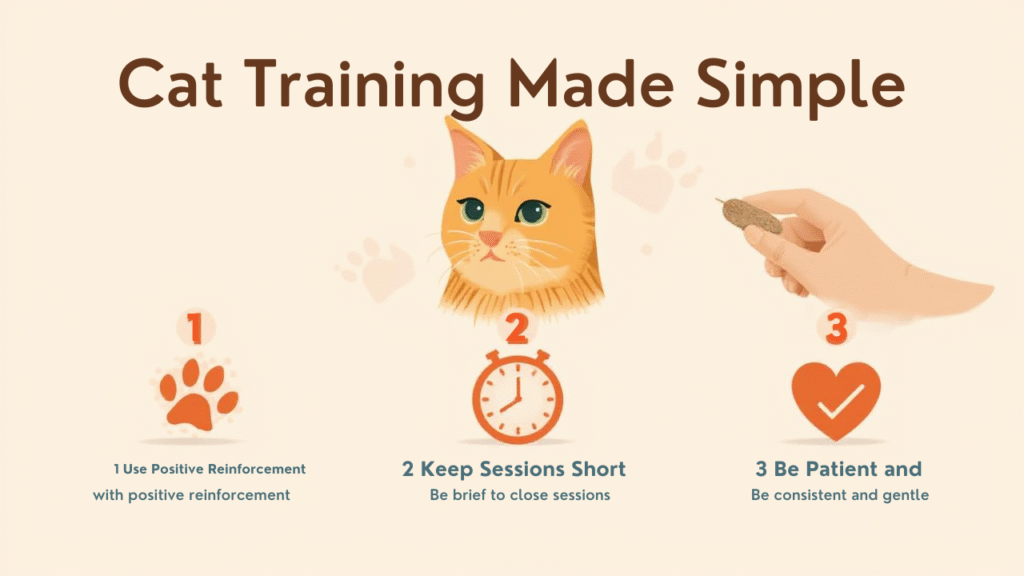
Be Patient and Consistent
Training takes time, especially for energetic or young cats. Consistency from all family members is essential.
Important Reminder:
- Do not allow rough play sometimes and discourage it at other times
- Use the same toys and training methods daily
Example:
If one person allows hand play and another discourages it, the cat becomes confused and aggressive behavior continues.
Schedule Daily Interactive Playtime
Daily interactive playtime is one of the most effective ways to reduce aggressive play in cats. Cats are natural hunters, and when their physical and mental energy is not properly released, it often shows up as biting, scratching, or sudden attacks during play. Structured play sessions help your cat release this energy in a healthy and controlled way.
Why Daily Interactive Play Is Important
Interactive play allows cats to express their natural hunting instincts in a safe manner. It prevents boredom, reduces frustration, and builds a stronger bond between you and your cat.
Key Benefits Include:
- Reduces aggressive behavior toward hands and feet
- Burns excess energy that leads to rough play
- Improves mental stimulation and focus
- Helps cats feel calm and satisfied
Example:
A cat that regularly attacks ankles in the evening may simply be storing energy all day. A structured play session before this time can prevent the behavior.
How Often Should You Play With Your Cat?
Cats benefit from short but frequent play sessions rather than one long session. Cats gets benefits from play with owner.
Recommended Play Schedule:
- 2 to 3 interactive sessions per day
- Each session should last 10–15 minutes
- Best times: early morning and evening (when cats are naturally active)
This routine aligns with a cat’s natural energy cycle and prevents energy buildup.
Best Types of Interactive Play
Interactive play means you are actively involved, not just giving your cat a toy to play with alone.
Effective Interactive Toys:
- Feather wand toys
- Fishing-rod style toys
- Laser pointers (always end with a physical toy)
These toys allow your cat to chase, stalk, and pounce—key elements of the hunting sequence.
Example:
Move a feather wand slowly across the floor, then let it “hide” behind furniture before letting your cat pounce. This simulates real hunting behavior.
Ending Playtime the Right Way
Always end play sessions calmly to prevent overstimulation.
Best Way to End Play:
- Let your cat catch the toy
- Offer a small treat or meal afterward
- Allow your cat to rest
This completes the hunt–catch–eat–rest cycle and leaves your cat feeling relaxed rather than frustrated.
Common Mistakes to Avoid During Playtime
- Using hands or feet as toys
- Playing too roughly
- Overstimulating your cat for too long
- Stopping play suddenly without letting your cat “win”
Avoiding these mistakes helps prevent aggressive habits from forming.
How Daily Playtime Reduces Aggression
When cats receive regular interactive play, they are less likely to:
- Bite during play
- Scratch without warning
- Ambush people or other pets
Example:
A kitten that previously bit hands during play may become calmer and gentler after daily wand-toy sessions that release its energy properly.
Redirecting Aggressive Behavior Effectively
Redirecting aggressive behavior is one of the most important training techniques for reducing aggressive play in cats. Instead of stopping play altogether or using punishment, redirection teaches your cat what to play with rather than what not to attack.
What Does Redirecting Mean?
Redirecting means shifting your cat’s attention from an inappropriate target—such as hands, feet, or clothing—to an appropriate outlet like toys or activities.
Cats are natural hunters. When aggressive play starts, it usually means your cat is expressing its hunting instinct. Redirection channels this energy in a safe and controlled way.
Why Redirection Works Better Than Punishment
Punishment can create fear, stress, and mistrust, which may worsen aggression.
Benefits of redirection include:
- Reduces fear and anxiety
- Builds positive habits
- Maintains trust between you and your cat
- Encourages safe play behavior
Example:
Yelling at a cat for biting may cause it to hide or become more aggressive, while offering a toy teaches it where to focus its energy.
How to Redirect Aggressive Play Successfully
Use Toys to Shift Focus
Always keep toys nearby, especially interactive ones.
Effective toys include:
- Feather wand toys
- Toy mice
- Rolling balls
- Interactive puzzle toys
When your cat shows signs of aggression, gently move a toy across the floor or in the air to capture its attention.
Example:
If your cat lunges at your ankles, drag a toy mouse away from you to give your cat something else to chase.
Stop Movement When Attacked
If your cat grabs or bites you:
- Avoid pulling away quickly
- Stay still for a moment
- Slowly move a toy into its view
Sudden movement can trigger your cat’s prey drive and increase aggression.
Example:
If your cat bites your hand during play, freeze your hand and calmly introduce a wand toy nearby.
Using Distance and Time-Outs as Redirection
Walk Away Calmly
If redirection doesn’t work:
- Stand up slowly
- Leave the room quietly
- Avoid eye contact
This removes the “reward” of attention.
Example:
When a cat continues rough play despite toys, walking away teaches it that aggressive behavior ends interaction.
Short Time-Outs
Time-outs should be brief and calm.
- 30–60 seconds is enough
- No scolding or isolation rooms
This helps your cat settle down without feeling threatened.
Reinforcing Redirected Behavior Positively
Reward Calm and Gentle Play
When your cat switches from attacking you to playing with a toy, reward immediately.
Positive rewards include:
- Treats
- Gentle praise
- Calm petting
Example:
If your cat drops your sleeve and grabs a toy instead, offer a small treat to reinforce the behavior.
Common Redirection Mistakes to Avoid
- Using hands as toys
- Shouting or hitting
- Spraying water aggressively
- Inconsistent responses
These actions confuse your cat and may increase aggressive behavior.
Use Time-Outs Correctly
Time-outs are an effective and gentle training tool for reducing aggressive play in cats. When used properly, they teach your cat that rough behavior leads to the end of play and attention—without causing fear or stress.
What Is a Time-Out for Cats?
A time-out is not a punishment. It simply means:
- Removing attentio
- Ending play immediately
- Giving your cat a short break to calm down
Cats learn through cause and effect. When aggressive play stops all fun, they gradually understand that gentle behavior is more rewarding.
When Should You Use a Time-Out?
Use a time-out when your cat:
- Bites or scratches during play
- Attacks hands, arms, or feet
- Ignores redirection to toys
- Becomes overly excited or rough
Important: Time-outs should be used only for aggressive play, not for normal energetic behavior.
How to Use Time-Outs Correctly
Step 1: Stop Play Immediately
As soon as aggressive behavior occurs:
- Freeze your movement
- Do not shout or push the cat
- Calmly disengage
This prevents your reaction from being seen as part of the game.
Step 2: Remove Attention
Quietly:
- Stand up and walk away
- Leave the room if possible
- Avoid eye contact or talking
Ignoring the behavior is key—any reaction can encourage more aggression.
Step 3: Keep the Time-Out Short
The ideal time-out duration is:
- 30 to 60 seconds
Long time-outs are unnecessary and confusing for cats.
Step 4: Resume Calm Interaction
After the time-out:
- Return calmly
- Restart play using a toy (not hands)
- Reward gentle play with praise or treats
This helps reinforce the correct behavior.
Example of Using Time-Outs Effectively
Situation:
Your cat is playing with a feather wand but suddenly grabs your hand and bites.
Correct Response:
- Stop moving your hand
- Gently place the toy down
- Stand up and leave the room for 30 seconds
- Return and resume play using a wand toy
Result:
Your cat learns that biting ends play, while gentle play keeps it going.
What Not to Do During a Time-Out
Avoid these common mistakes:
- Yelling or scolding
- Hitting or pushing the cat
- Locking the cat in a small space
- Holding the cat down
These actions can increase fear, stress, and aggression.
Why Time-Outs Work for Aggressive Play
Time-outs are effective because:
- Cats value attention and interaction
- Aggressive play loses its reward
- Calm behavior leads to positive outcomes
Over time, your cat learns self-control and plays more gently.
Consistency Is the Key to Success
For best results:
- Use time-outs every time aggressive play occurs
- Ensure all family members respond the same way
- Combine time-outs with daily play sessions
Consistency helps your cat understand expectations clearly.
Encouraging Calm and Positive Behavior
Encouraging calm and positive behavior is a crucial step in reducing aggressive play in cats. Cats learn best through positive reinforcement, not punishment. By rewarding good behavior and creating a peaceful environment, you can guide your cat toward gentle, controlled play.
Why Encouraging Calm Behavior Is Important
Cats that feel safe, relaxed, and mentally stimulated are less likely to show aggressive play. Stress, boredom, or confusion often lead to rough behavior such as biting or scratching.
Key Benefits:
- Builds trust between you and your cat
- Reduces stress and anxiety
- Promotes gentle and appropriate play habits
Example:
A cat that receives praise and treats for calm play is more likely to repeat that behavior instead of attacking hands or feet.
Using Positive Reinforcement Techniques
Reward Gentle and Appropriate Play
Positive reinforcement means rewarding behaviors you want to see more often. When your cat plays gently or chooses toys over hands, reward it immediately.
Effective Rewards Include:
- Small healthy treats
- Soft verbal praise
- Gentle chin or head rubs
Example:
If your cat plays calmly with a feather toy without biting or scratching, give a treat right after the play session to reinforce the behavior.
Ignore or Withdraw Attention from Rough Play
Cats often repeat behaviors that get attention—even negative attention. When your cat becomes aggressive during play, calmly remove your attention.
What to Do:
- Stop playing immediately
- Slowly move away
- Avoid shouting or sudden movements
Example:
If your cat bites during play, stop interacting and leave the room for a short moment. This teaches the cat that rough play ends all fun.
Creating a Calm and Stress-Free Environment
Provide Safe and Comfortable Spaces
Cats need quiet places where they can relax and feel secure.
Helpful Additions:
- Soft bedding
- Cat trees or shelves
- Hiding spots like boxes or covered beds
Example:
A cat with access to a quiet resting area is less likely to release pent-up energy through aggressive play.
Maintain a Consistent Daily Routine
Cats thrive on routine. Feeding, playtime, and rest should happen at similar times each day.
Why Routine Helps:
- Reduces anxiety
- Prevents overstimulation
- Creates predictable energy release
Example:
A cat that plays at the same time daily will be calmer and less likely to attack unexpectedly.
Teaching Emotional Control Through Training
Encourage Calm Behavior Before Rewards
Before giving treats or meals, wait for your cat to calm down. This teaches patience and self-control.
How to Practice:
- Ask your cat to sit calmly
- Wait until jumping or biting stops
- Reward only when calm
Example:
If your cat is overly excited before feeding, wait until it sits quietly, then place the food bowl down.
Avoiding Common Mistakes
Never Punish Aggressive Play
Punishment increases fear and confusion, often making aggression worse.
Avoid:
- Hitting or yelling
- Spraying water
- Using loud noises
These methods damage trust and do not teach appropriate behavior.
Create a Stimulating Environment
A stimulating environment plays a vital role in reducing aggressive play in cats. Cats are natural hunters, and when their physical and mental needs are not met, they often release pent-up energy through rough or aggressive play. By enriching your cat’s surroundings, you can significantly lower frustration and unwanted behavior.
Why a Stimulating Environment Is Important
Indoor cats especially rely on their environment for entertainment and exercise. Without enough stimulation, cats may:
- Attack hands or feet
- Chase and bite other pets
- Display sudden aggressive bursts of energy
A well-designed environment allows cats to express natural behaviors like climbing, scratching, hunting, and observing—without targeting humans.
Example:
A cat that spends most of the day alone in a quiet room may pounce aggressively on its owner in the evening due to built-up energy and boredom.
Provide Vertical Spaces for Climbing
Cats feel secure and confident when they can climb and observe from above.
Effective Vertical Options:
- Cat trees and towers
- Wall-mounted shelves
- Window perches
Vertical spaces help cats burn energy and reduce stress, which lowers the chance of aggressive play.
Example:
A cat that climbs a cat tree throughout the day is less likely to jump at ankles during playtime.
Offer a Variety of Interactive Toys
Rotating toys keeps your cat mentally engaged and prevents boredom.
Toy Ideas Include:
- Puzzle toys that dispense treats
- Wand toys for interactive play
- Soft toys for kicking and wrestling
Avoid leaving the same toys out all the time—rotate them every few days to maintain interest.
Example:
Introducing a puzzle feeder challenges your cat mentally and reduces aggressive behavior caused by frustration.
Encourage Natural Hunting Behavior
Cats need opportunities to stalk, chase, and capture “prey.”
Ways to Support Hunting Instincts:
- Use wand toys that mimic birds or insects
- Hide treats around the house
- End play sessions with a small meal
This satisfies the hunt-catch-eat cycle, which naturally calms cats.
Example:
After a 10-minute wand toy session followed by food, a cat is more relaxed and less likely to bite during play.
Create Safe Resting and Hiding Areas
Cats need quiet spaces to relax and decompress.
Good Resting Spots:
- Covered cat beds
- Cardboard boxes
- Quiet corners away from noise
Safe spaces help prevent overstimulation, which can lead to aggressive reactions.
Example:
A cat with access to a quiet hideaway is less likely to lash out when feeling overwhelmed.
Use Environmental Enrichment Daily
Environmental enrichment keeps your cat engaged even when you’re not home.
Enrichment Ideas:
- Window views of birds or outdoor activity
- Cat-safe videos or sounds
- Scratching posts of different textures
Regular enrichment reduces boredom-related aggression.
Managing Multi-Cat Play Aggression
In homes with more than one cat, play aggression can sometimes turn into conflict. While mild wrestling and chasing are normal, repeated rough behavior may lead to stress, fear, or injury. Managing multi-cat play aggression requires close observation, proper training, and a balanced environment where each cat feels safe.
Understanding Normal Play vs. Aggressive Play
Not all rough play is harmful. Knowing the difference helps prevent unnecessary intervention.
Signs of Healthy Play
- Cats take turns chasing each other
- No loud vocalization (hissing or screaming)
- Relaxed body posture
- Play stops and resumes naturally
Signs of Aggressive Play
- One cat constantly attacking or cornering the other
- Flattened ears and puffed-up fur
- Loud growling, hissing, or yowling
- One cat trying to escape or hide
Example:
If one cat always hides under furniture while the other blocks its exit, this behavior is aggression, not play.
Identify the Cause of Play Aggression
Understanding the reason behind aggression helps in choosing the right solution.
Common Causes Include:
- Competition for resources (food, litter boxes, toys)
- Differences in age or energy levels
- Lack of individual playtime
- Stress caused by changes in the home
Example:
A young, energetic kitten may repeatedly jump on an older cat that prefers rest, causing frustration and aggressive reactions.
Provide Individual Play and Attention
Each cat has unique energy and stimulation needs.
How to Manage This:
- Schedule separate play sessions for each cat
- Use interactive toys to drain excess energy
- Avoid forcing cats to play together
Example:
Play with a high-energy cat using a wand toy before letting it interact with a calmer cat.
Use Training and Redirection Techniques
Training helps guide cats toward positive interactions.
Effective Strategies:
- Redirect rough play using toys
- Interrupt aggression calmly with noise (clapping softly)
- Avoid yelling or physical punishment
Example:
If one cat starts biting during play, toss a toy to redirect its attention instead of intervening physically.
Ensure Adequate Space and Resources
Limited resources often increase aggression in multi-cat homes.
Essential Setup:
- One litter box per cat, plus one extra
- Multiple feeding stations
- Separate resting and hiding spots
Example:
Providing multiple scratching posts prevents cats from fighting over a single favored spot.
Separate and Reintroduce if Necessary
If aggression escalates, temporary separation may be needed.
Safe Reintroduction Steps:
- Separate cats into different rooms
- Exchange bedding to mix scents
- Gradually allow supervised interaction
This helps rebuild positive associations between cats.
Reinforce Calm and Positive Behavior
Positive reinforcement encourages peaceful play.
Reward Calm Behavior With:
- Treats
- Gentle praise
- Calm petting
Example:
Reward both cats when they play calmly in the same room without conflict.
When to Seek Professional Help
If play aggression:
- Happens daily
- Causes injuries
- Involves fear or trauma
Consult a veterinarian or certified cat behaviorist for guidance.
FAQs
What is aggressive play behavior in cats?
Aggressive play in cats includes biting, scratching, pouncing, or attacking hands and feet during play. It often looks like hunting behavior but becomes a problem when it causes injury or fear.
Why do cats become aggressive during play?
Cats may show aggressive play due to excess energy, boredom, lack of proper play training as kittens, or using human hands as toys. Stress and overstimulation can also trigger this behavior.
Is aggressive play normal in kittens?
Yes, mild aggressive play is normal in kittens as they learn hunting and social skills. However, without proper training, this behavior can continue into adulthood and become more intense.
Can training really reduce aggressive play in cats?
Yes, consistent training combined with proper play techniques can significantly reduce aggressive play. Teaching cats appropriate outlets for energy helps redirect unwanted behavior.
What is the best way to train a cat to stop aggressive play?
Use interactive toys like wand toys instead of hands, reward calm behavior with treats, and stop play immediately if aggression starts. Consistency is key for effective training.
Should I punish my cat for aggressive play?
No, punishment can increase fear and stress, making aggression worse. Instead, use positive reinforcement and redirect your cat’s energy toward appropriate toys.
How much daily play does a cat need to prevent aggression?
Most cats need at least 15–30 minutes of active play daily, divided into short sessions. Regular play helps release energy and reduces aggressive tendencies.
Conclusion
Reducing aggressive play in cats takes patience, consistency, and understanding. By using proper toys, rewarding good behavior, and providing daily mental and physical stimulation, you can guide your cat toward healthier and safer play habits. With the right training approach, playtime can become enjoyable for both you and your feline companion.