Pets are like family, so you should always put their health first. Pets can have small health problems like stomach upset, dry skin, ear infections, or bad breath, just like people do. Serious problems should always be taken to a doctor, but some small issues can be fixed at home with safe and easy methods. These home treatments can help your pets feel better and keep you from having to take them to the vet too often. This article shows how to treat small health problems in your pet at home. All the remedies listed are natural, cheap, and easy to find in most homes. Remember that you should always see a vet if the signs do not go away or get worse.

Home Remedies for Upset Stomach in Pets
Both dogs and cats often have small stomach problems. If their diet changes, they are stressed, or they eat something strange, they may vomit, have diarrhea, or lose their hunger.
Plain Boiled Rice and Chicken
Plain boiled rice with skinless chicken is one of the best ways to help cats with mild stomach upset. This bland food is easy on the stomach and helps calm it down. The simple meal gives you energy and gives your gut system a break. Give your pet small amounts first, and slowly switch back to regular food as it improves.
Pumpkin for Digestion
Plain canned pumpkin (no sugar or spices added) is a great source of fibre, which helps keep intestines in check. In addition to helping with diarrhea by making stools firmer, it can also help with constipation by making bowel movements more regular. Add a small spoonful to their food to help your pet feel better quickly.
Probiotics for Gut Health
Bacteria that are good for you, help digestion, and restore balance in the gut are called probiotics. Healthy yogurt with live cultures can be given to cats with mild stomach problems. It makes the stomach feel better, removes gas, and stops bad germs from growing.
Remedies for Dry and Itchy Skin
Pets often scratch or bite their skin because it is dry, itchy, or allergic. If someone scratches all the time, they need to see a doctor. But minor skin problems can be taken care of at home.
Oatmeal Baths
Oatmeal is known for its soothing properties and is especially effective for itchy and irritated skin.
How to use:
- Grind plain oats into a fine powder.
- Mix the powder with warm water to make a milky solution.
- Bathe your pet in it for 10–15 minutes, then rinse gently.
Example:
A dog suffering from seasonal allergies may feel instant relief after an oatmeal bath, with reduced redness and itching.
Coconut oil to keep things moist
Coconut oil is a natural moisturizer with antibacterial and antifungal properties. It helps reduce dryness, itching, and skin irritation.
How to use:
- Gently massage a small amount of virgin coconut oil onto your pet’s dry or itchy skin.
- You can also add half a teaspoon (for small pets) or one teaspoon (for larger pets) to their food to improve skin health from within.
Example:
If your dog has flaky skin during winter, applying coconut oil twice a week can help keep the skin soft and reduce scratching.
Aloe Vera for Cooling and Comfort
Aloe vera gel has cooling and anti-inflammatory properties that help calm irritated skin and promote healing.
How to use:
- Use fresh aloe vera gel or a pet-safe aloe product.
- Apply a thin layer to affected areas once or twice daily.
Example:
If your pet develops itchy patches after spending time outdoors, aloe vera can help soothe the skin and reduce irritation.
Avoid Harsh Soaps and Chemicals
Using human shampoos or strong cleaning products can dry out your pet’s skin.
What to do instead:
- Use mild, pet-safe shampoos.
- Limit bathing to when necessary.
Example:
Switching from a scented shampoo to a gentle, natural pet shampoo can significantly reduce skin dryness over time.
Remedies for Minor Ear Problems
Pets may get mild ear discomfort from allergies or too much wax. Getting care right away can stop illnesses.
A rinse with apple cider vinegar
Apple cider vinegar (ACV) has natural antibacterial and antifungal properties.

How it helps:
- Reduces odor caused by yeast or bacteria
- Relieves mild itching
- Restores ear pH balance
Example:
Mix equal parts apple cider vinegar and water. Using a cotton pad, gently clean the outer ear. This remedy should not be used if the ear is red, sore, or has open wounds.
Coconut Oil for Dryness and Irritation
Coconut oil is soothing and safe for pets when used in small amounts.
How it helps:
- Moisturizes dry skin
- Reduces mild inflammation
- Provides antibacterial benefits
Example:
Warm a small amount of coconut oil until it becomes liquid. Apply a few drops to the outer ear area and gently massage. This can help calm irritation caused by dryness.
Warm Saline Solution for Gentle Cleaning
A warm saline solution helps remove dirt and excess wax without irritating your pet’s ears.
How it helps:
- Cleans debris gently
- Reduces mild irritation
- Maintains natural ear balance
Example:
Mix 1 cup of warm water with ½ teaspoon of salt. Soak a clean cotton ball in the solution, squeeze out excess liquid, and gently wipe the outer part of your pet’s ear. Avoid inserting anything deep into the ear canal.
When to Avoid Home Remedies
Home remedies are suitable only for minor issues. Do not use them if your pet shows:
- Severe pain or swelling
- Thick discharge or bleeding
- Persistent symptoms lasting more than a few days
How to Treat Pets with Bad Breath
Bad breath is often caused by not caring for your teeth or having slight digestive issues. Keeping your pet’s breath fresh at home can make them feel better and stop problems from happening in the future.
Regular Brushing with Natural Pet Toothpaste
Brushing your pet’s teeth is the most effective way to prevent bad breath.
- Use pet-safe toothpaste (never human toothpaste)
- Brush 2–3 times a week for best results
Example:
If your dog’s breath smells fishy, brushing with a poultry-flavored pet toothpaste can remove plaque while keeping the process enjoyable.
Fresh Herbs for Breath Freshening
Certain herbs naturally fight bacteria and freshen breath.
- Parsley – helps neutralize odor
- Mint – provides a refreshing scent
Example:
Chop a small amount of fresh parsley and sprinkle it over your dog’s meal to reduce odor naturally.
Coconut oil is good for your teeth
Coconut oil has natural antibacterial and antifungal properties.
- Apply a small amount to your pet’s gums
- Add ½ teaspoon (for small pets) to their food
Example:
A cat with mild bad breath can benefit from coconut oil mixed into wet food once a day.
A Natural Way to Chew Carrots
When you eat raw carrots, they get crunchy and clean your dog’s teeth naturally. Carrots help remove plaque and freshen your breath when you chew them. Plus, they are good for you because they contain minerals and vitamins.
Remedies for Minor Cuts and Scrapes
Minor cuts and scrapes are common in pets, especially for those who enjoy outdoor activities. While serious wounds require veterinary care, small and superficial injuries can often be treated safely at home using affordable, natural remedies.
Cleaning the Wound Properly
Before applying any remedy, it is essential to clean the wound to prevent infection.
How to do it:
- Gently rinse the area with clean, lukewarm water or a mild saline solution.
- Remove dirt, debris, or loose hair around the wound.
- Pat the area dry with a clean cloth.
Example:
If your dog gets a small scrape while running in the garden, washing it with saline water helps remove bacteria and reduces the risk of infection.
Applying Aloe Vera for Soothing Relief
Aloe vera is well known for its cooling and healing properties, making it ideal for minor skin injuries.
How to use:
- Use fresh aloe vera gel directly from the plant or a pure, pet-safe aloe gel.
- Apply gently to the affected area.
Example:
If your pet has a small scratch from rough play, aloe vera can soothe irritation and speed up healing.
Using Turmeric as a Natural Antiseptic
Turmeric has natural antibacterial and anti-inflammatory properties that help promote healing.
How to use:
- Mix turmeric powder with a small amount of water or coconut oil to form a paste.
- Apply a thin layer to the clean wound.
Example:
For a minor cut on your cat’s paw, a light turmeric paste can help reduce swelling and prevent infection.
Coconut Oil for Moisturizing and Protection
Coconut oil acts as a natural moisturizer and has mild antibacterial effects.
How to use:
- Apply a small amount of virgin coconut oil to the wound after cleaning.
- Prevent your pet from licking the area excessively.
Example:
A small scrape on your dog’s leg can heal faster when coconut oil is applied daily to keep the skin soft and protected.
Remedies for Fleas and Ticks
Fleas and ticks are common parasites that can cause itching, skin infections, allergies, and even serious diseases in pets. While commercial treatments can be effective, many pet owners prefer natural and affordable home remedies that are gentler and safer when used correctly. Below are some effective natural options with simple examples.
Apple Cider Vinegar Spray
How it Helps:
Apple cider vinegar creates an environment that fleas and ticks dislike. While it does not kill them instantly, it helps repel them naturally.
How to Use:
Mix equal parts of apple cider vinegar and water in a spray bottle.
Example:
Spray the solution lightly on your dog’s fur before going for a walk, avoiding the eyes, nose, and any open wounds. Regular use can reduce flea infestations over time.
Rinse with lemon water
How it Helps:
Lemon contains citric acid, a natural flea repellent that discourages parasites from staying on your pet.
How to Use:
Boil one sliced lemon in water, let it steep overnight, then strain the liquid.
Example:
After bathing your dog, pour the cooled lemon solution over their coat or apply it using a sponge. This is especially useful during flea season.
Coconut Oil Treatment
How it Helps:
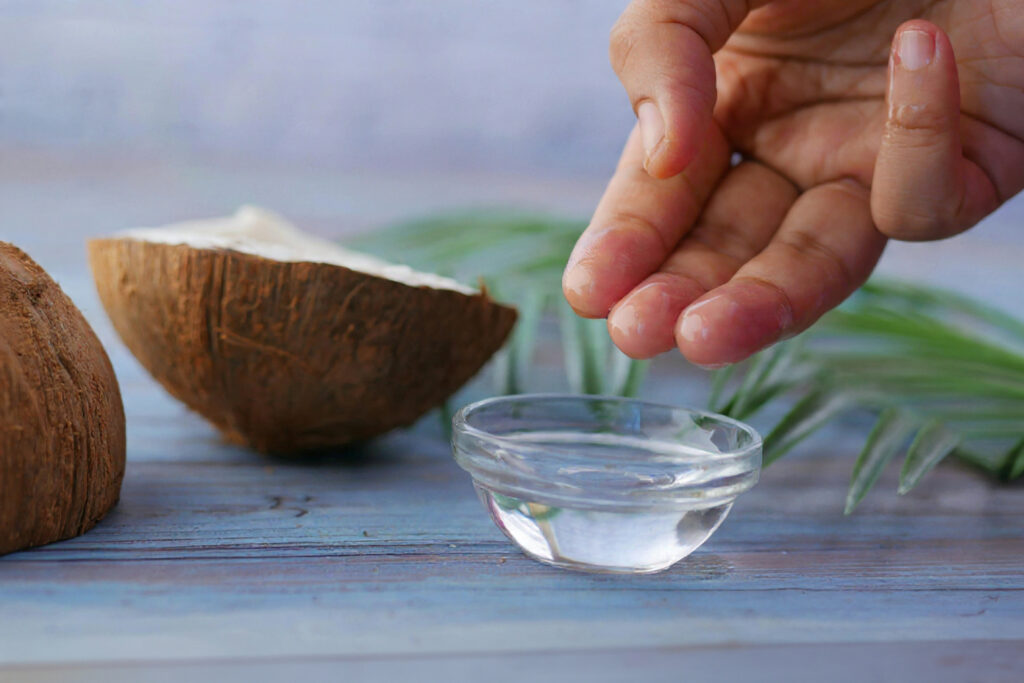
Coconut oil contains lauric acid, which has natural antibacterial and pest-repelling properties. It also soothes irritated skin.
How to Use:
Rub a small amount of virgin coconut oil between your hands and massage it into your pet’s coat.
Example:
Apply coconut oil to areas like the neck, back, and behind the ears once or twice a week to repel fleas while keeping your pet’s skin moisturized.
Regular Grooming and Clean Environment
How it Helps:
Consistent grooming removes fleas and ticks early, while a clean home prevents reinfestation.
How to Use:
Use a fine-toothed flea comb and wash pet bedding frequently in hot water.
Example:
Comb your pet outdoors daily and clean bedding weekly to break the flea life cycle naturally without chemicals.
Important safety tips
- Always test a small area first to check for allergic reactions
- Avoid essential oils unless approved by a veterinarian
- Consult a vet if your pet has a severe infestation or sensitive skin
Stress Relief
Stress can negatively affect a pet’s physical and emotional health. Changes in routine, loud noises, lack of attention, or a new environment can make pets anxious. Fortunately, there are affordable and natural ways to help reduce stress at home.
Common Signs of Stress in Pets
Pets may show stress through excessive barking or meowing, hiding, loss of appetite, aggressive behavior, or unusual chewing and scratching. Recognizing these signs early helps prevent long-term health issues.
Creating a Calm and Safe Environment
A peaceful living space plays a major role in reducing stress. Provide your pet with a quiet corner where they feel safe and comfortable. Soft bedding, familiar toys, and minimal noise help pets relax naturally.
Example:
If your dog gets anxious during thunderstorms, set up a cozy area away from windows with their favorite blanket and toy to help them feel secure.
Natural Relaxation Through Routine
Pets feel calmer when they follow a consistent daily routine. Feeding, walking, and playtime at the same hours each day create a sense of stability and comfort.
Example
Feeding your cat at the same time every morning and evening can reduce anxiety and prevent restlessness.
Using Natural Scents for Relaxation
Certain natural scents, such as lavender and chamomile, are known for their calming effects. These can be used carefully in pet-safe forms, like diluted sprays or dried herbs placed nearby.
Example:
Placing a small cloth with a few drops of diluted lavender oil near your pet’s sleeping area (not directly on them) can help promote relaxation.
Physical Activity and Playtime
Regular exercise helps release built-up energy and stress. Simple activities like walking, playing fetch, or interactive games stimulate both the body and mind.
Example:
A 20-minute walk in the evening can help an anxious dog feel calmer and sleep better at night.
Quality Time and Affection
Spending quality time with your pet builds trust and emotional security. Gentle petting, talking softly, and positive attention naturally reduce stress levels.
Example:
Sitting quietly and stroking your cat for a few minutes each day can significantly improve their mood and reduce nervous behavior.
Remedies for Eye Irritation
Sometimes dust or allergies can make pets’ eyes look red or wet.
Saline Rinse for Cleaning
A gentle saline solution can help flush out dust, dirt, or small particles from your pet’s eyes. You can use store-bought sterile saline or prepare a mild homemade solution using boiled and cooled water with a small pinch of salt. Carefully rinse the affected eye using a clean dropper or cotton pad.
Compress for Chamomile Tea
Chamomile tea has natural anti-inflammatory and soothing properties. Brew a weak chamomile tea, allow it to cool completely, and use a clean cotton pad to gently wipe around the eye area. This can help calm irritation and reduce redness.
Clean the Eye Area Regularly
Keeping the eye area clean helps prevent further irritation. Use a soft, damp cloth to gently remove discharge or crusts around the eyes. Always wipe from the inner corner outward to avoid spreading bacteria.
Reduce Environmental Triggers
Eye irritation can worsen due to smoke, dust, strong fragrances, or pollen. Keep your pet’s living area clean, well-ventilated, and free from harsh chemicals to support faster healing.
When to See a Veterinarian
If your pet shows signs of severe redness, swelling, excessive discharge, squinting, or persistent irritation, stop home treatment and consult a veterinarian immediately. These symptoms may indicate infection or injury that requires professional care.
Remedies for Minor Cough or Throat Irritation
Coughing in pets can be caused by dust, slight allergies, or a sore throat.
Honey to Help Your Pet Throat
A small amount of natural honey can help coat the throat and reduce irritation in dogs. Honey has natural antibacterial and soothing properties. However, it should only be given in small quantities and never to cats, as it may not be safe for them.

The Use of Steam
Steam helps soothe an irritated throat and loosen mucus in your pet’s airways. You can allow your pet to sit in a bathroom filled with warm steam from a shower for 10–15 minutes. This natural method can provide quick relief, especially during cold weather.
Adequate Hydration
Keeping your pet well-hydrated is essential when dealing with throat irritation. Fresh, clean water helps reduce dryness and flush out irritants. Warm water or low-salt broth can encourage pets to drink more and soothe discomfort.
Rest and Comfort
Allow your pet plenty of rest while they recover. Avoid excessive activity and exposure to cold air, smoke, or strong scents. A calm and warm environment supports faster healing and reduces throat strain.
Using coconut oil to grease things
Adding a little coconut oil to your pet’s food can help coat the throat and stop it from drying out, which can make them cough.
When to See a Veterinarian
If the cough lasts more than a few days, worsens, or is accompanied by symptoms such as fever, difficulty breathing, or loss of appetite, professional veterinary care is necessary. Natural remedies are best for minor issues only.
FAQs
Are natural home remedies safe for pets?
Natural home remedies can be safe for pets when used correctly and in proper amounts. However, not all natural ingredients are pet-friendly. Always research carefully or consult a veterinarian before trying a new remedy.
What are some affordable natural remedies for common pet health issues?
Affordable natural remedies include coconut oil for skin and coat health, turmeric for inflammation, apple cider vinegar for minor skin problems, and pumpkin for digestive health. These remedies are easy to find and budget-friendly.
Can home remedies replace veterinary treatment?
No, home remedies should not replace professional veterinary care. They are best used for minor issues or as preventive care. Serious or ongoing health problems always require a veterinarian’s attention.
How can I boost my pet’s immunity naturally?
You can support your pet’s immune system by providing a balanced diet, adding small amounts of natural supplements like probiotics, ensuring regular exercise, and keeping stress levels low.
How can I treat minor skin issues naturally at home?
Minor skin irritations can be treated with oatmeal baths, diluted apple cider vinegar sprays, or aloe vera gel. If irritation worsens or does not improve, consult a veterinarian.
What should I do if my pet reacts badly to a home remedy?
If your pet shows signs of discomfort, allergic reaction, vomiting, or unusual behavior, stop using the remedy immediately and contact a veterinarian.
Conclusion
Taking care of your pet’s health does not have to be expensive or complicated. Affordable natural home remedies can play an important role in maintaining your pet’s overall well-being when used safely and responsibly. Simple solutions like a balanced diet, proper hydration, natural grooming practices, and basic home care can help strengthen your pet’s immunity and prevent common health issues. However, natural remedies should complement—not replace—professional veterinary care. Regular checkups, vaccinations, and expert advice remain essential for your pet’s long-term health. By combining natural home remedies with proper medical guidance, pet owners can create a healthy, comfortable, and loving environment for their pets.