One of the most important things to do to maintain a happy, healthy bond with a pet is to train it. A lot of people with pets ask the same question: When is the best age to start teaching a dog or a cat? The answer depends on the pet’s age, level of development, and personality, but starting at the right time can help with training. This detailed article will show you the best age to begin training your dog or cat, how training changes as they age, and how to use the most effective and gentle methods.

Why Early Training Is Important for Pets
Builds Good Behavior from the Start
Early training helps cats learn what they can and cannot do. Puppies and kittens are like young kids discovering new things. When they are taught the right things early on, they will not develop bad habits such as ignoring orders, excessive barking, biting, or scratching furniture. Early teaching makes things clear and helps pets feel safe because they know what they should do.
Strengthens the Bond Between Pet and Owner
Training is not just giving orders. It is also about making it easier to talk and trust each other. Your pet will learn to trust you if you are kind and patient during training. This bond makes your pet more attuned to you and sensitive to your needs. Pets that are close to their owners are often happy, calmer, and easier to deal with in daily life.
Prevents Future Behavior Problems
A lot of bad behavior in adult pets stems from not being trained when they were young. With early direction, often jumping on people, aggression, fear, and destructive behavior can be avoided. In the long run, training helps pets learn to handle different scenarios, reducing stress for both the pet and the owner.
Best Age to Start Training a Dog
Training Puppies from 6 to 8 Weeks Old
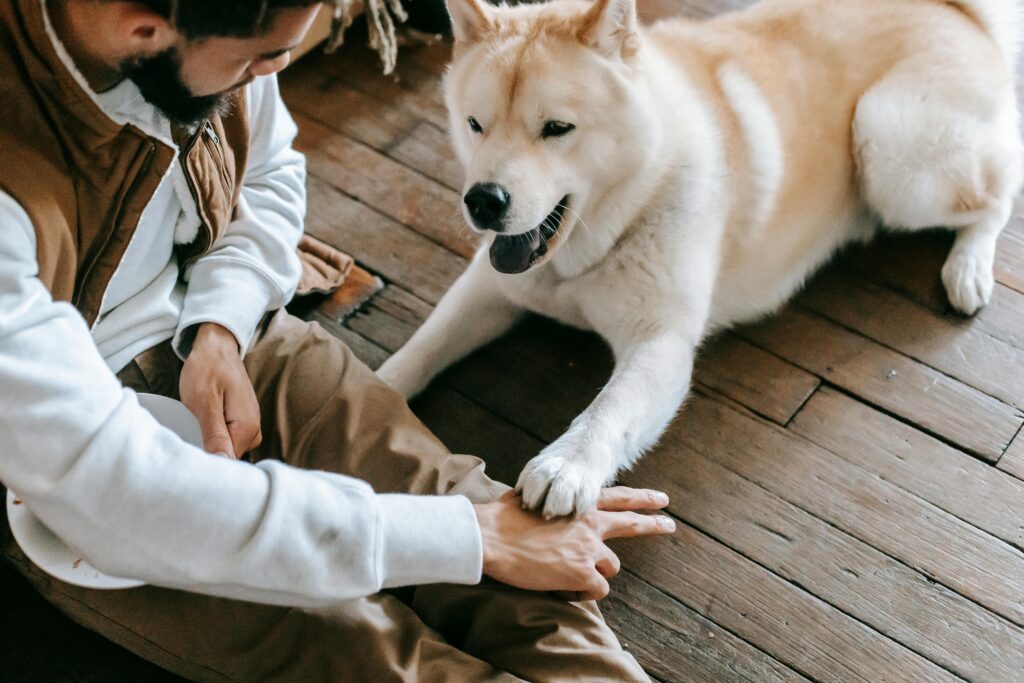
Most people who know about dogs say that a puppy can begin training as young as 6 to 8 weeks old. At this point, dogs are interested in learning new things. At this point, training should be easy and gentle. You can start teaching them basic things like how to use the potty, how to respond when you call their name, and simple commands like “sit.” Young puppies do not pay attention for very long, so short training lessons are best.
Dog Training for 3 to 6 Months
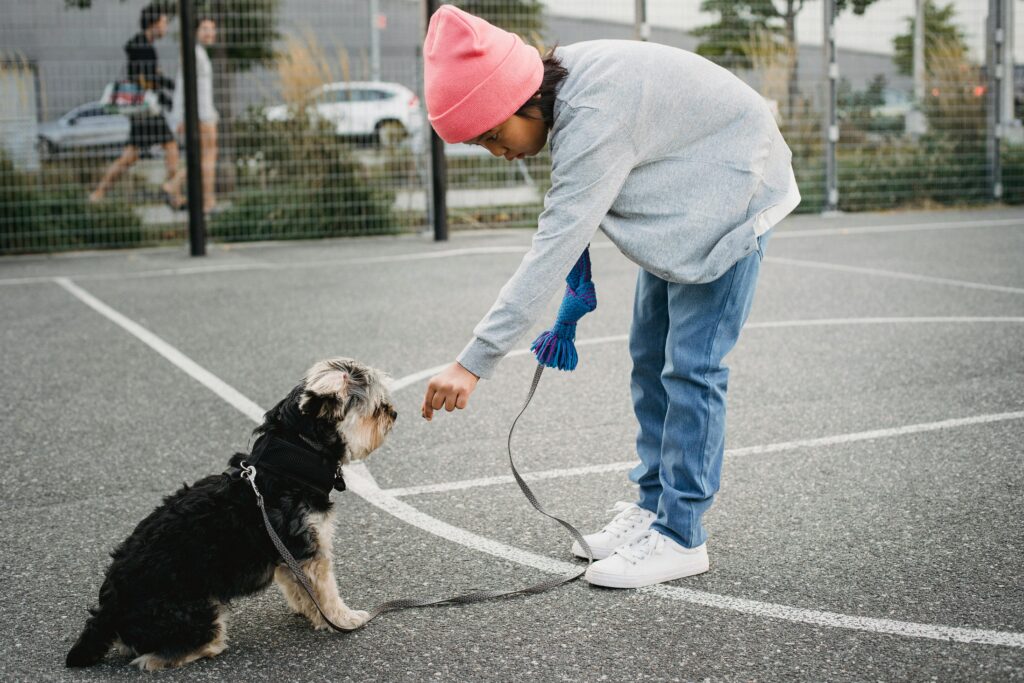
Many people think this age is the best time to teach dogs. Puppies learn quickly and remember things well when they are three to six months old. Now is the best time to teach social skills, basic manners, and leash walking. At this age, dogs have more energy, so training helps them use it productively. During this time, being consistent will help you raise a well behaved adult dog.
Training Senior and Adult Dogs
Dogs that are not trained as puppies can still learn new things as adults. It might take longer and require more patience, but adult dogs can understand instructions and routines. It might take older dogs longer to learn new things, but they can still improve with gentle training. Training older and adult dogs is beneficial for your mental health and keeps them busy and interested.
Best Age to Start Training a Cat
Training Kittens from 8 to 12 Weeks
Basic training for kittens can start when they are 8 to 12 weeks old. They are learning about their surroundings and are open to advice at this point. Most of the time, litter box training happens on its own, but a little help can make sure they keep using it. Kittens can learn easy things, too, like using scratching posts instead of your furniture and coming when they are called.
Training Cats Between 3 and 6 Months
At this age, cats are interested and playful, so it is a good time to start teaching them new things. They can learn routines, know when it is time to eat, and react to rewards. Training at this stage can help stop unwanted habits, such as biting or scratching household items while playing. Cats do best with short, fun training lessons.
Giving Training to Adult and Senior Cats
A lot of people think that you cannot train cats, but that’s wrong. Adult cats can learn new things, especially when they are given food or love as a reward. It might take more time to train senior cats, but it can help keep them mentally sharp. A gentle practice can help adult cats feel less anxious and improve their overall well being.
Differences Between Dog Training and Cat Training
Learning Styles of Dogs
Dogs naturally enjoy being around other animals and people, and they often try to make their owners happy. This means they will be more likely to respond to praise and to orders spoken aloud. Dogs usually like repeated training lessons. They do well when they have clear rules and routines. They have a more structured approach to learning, so over time, they can have longer training classes that cover more material.
How Cats Learn
Cats learn in a more picky and individual way. They usually do what you want them to do when you give them something they like, like food or playing. Instead of long routines, cats like short training lessons that keep their interest. Each cat responds to motivation differently, so understanding your cat’s personality is essential for training.
Changing the Way You Train Each Pet
Training methods need to be adjusted because dogs and cats learn differently. Dogs usually do what you say and appreciate praise, but cats are more likely to do what you want if you give them a treat. You should not punish either pet because it can make them scared and stressed. Both animals do best when they are treated gently and consistently.
Signs Your Pet Is Ready for Training
Physical and Mental Development
When a pet can focus, move comfortably, and react to basic interaction, it is time to train it. Before training starts, puppies and kittens should be lively and in good health. Pets need to understand and respond to cues during training, so mental readiness is as important as physical readiness.

The ability to pay attention and respond
Pets that can focus for a bit while they are ready to learn. If your animal reacts to noise, follows moving things, or shows interest in new things, these are good signs. Even short periods of focus can be used to teach young pets very well.
Getting Used to a New Place
Pets learn better when they feel safe and comfortable in their surroundings. Make sure your pet is comfortable in your home before you begin training. A calm setting helps pets stay focused and less scared, making training lessons more effective.
Common Mistakes Pet Owners Make When Training Puppies and Kittens
Waiting Too Long to Begin Training
Many pet owners think pets should not be trained when they are still young, but waiting too long can lead to bad habits forming. Early training does not mean you have to be very strict. It is just a way of saying to gently guide someone. Beginning early helps pets learn normally without stressing them out.
Hoping for results right away
It takes a lot of time to train young animals. If you want results right away, you might get annoyed. With a lot of care and repetition, pets can learn new things. At first, there may be a lot of work to do, but in the end, the only way to succeed is to keep at it.
Using Tough Ways to Train
Harsh ways can hurt a pet’s trust and mental health. Training that relies on fear often makes things worse by causing worry and other behavioral issues. Positive reinforcement makes pets more ready to learn and builds their confidence.
Positive Ways to Train Animals of Any Age
Training with Rewards
Reward based teaching focuses on good behavior by giving treats, praise, or play. This way of doing things is suitable for cats and dogs. If pets link training with good things, they will learn faster.
Regularity and Routine
When you train your pets, they learn best when you do it regularly. Pets understand what is expected of them when the same orders, rewards, and schedule are used. A set schedule helps people feel sure about what they are doing and reduces confusion.
Regular and Short Training Sessions
Short playtimes keep pets interested and bored. One big session is not as good as several short ones spread out over the day. This method is best for young cats and dogs.
How Training Age Affects Long Term Behavior
Early Training Leads to Better Social Skills
Pets that are trained early are often friendlier and more confident. They are better at getting used to new people, animals, and places. Early training helps reduce emotions and aggressive behavior driven by fear.
Training Late Takes Longer
Training older animals may take longer because they have already learned how to do things. But if you are patient and consistent, you can still teach older pets, too. The most important thing is to know their speed and boundaries.
Lifelong Learning is Good for Pets
Training should not end after your pet’s puppyhood or kittenhood. Regular training keeps cats mentally and emotionally stable.
Training Indoor vs Outdoor Pets
Indoor Dogs and Cats
Pets that live inside need to be trained to manage their energy and avoid boredom. Indoor animals learn how to do things and form good habits. Pets that stay inside most of the time need even more mental stimulation.
Dogs and Cats That Live Outside
Pets that live outside need to be trained so they are safe and follow the rules. They need to know commands like “recall” and “boundaries” to keep them safe. Early training helps outdoor pets understand their boundaries and always do what they are told.
Adding Outdoor Training to Indoor Training
Animals that live both inside and outside the house should be trained in both places regularly. When you practice orders with your pet in different areas, it helps them learn that rules apply everywhere.
Role of Pet Owners in Successful Training
Patience and Understanding
You need to be patient when you train. It can be annoying to compare how quickly your pet learns to others’ since they all learn at their own pace. A better teaching plan can be made by getting to know your pet’s personality.
Time and Dedication
It takes time and determination to train regularly. Just a few minutes each day can have a significant impact. Consistent work brings long term success.
Creating a Good Relationship
Trust and respect should always be the basis of training. If you have a good relationship with your pet, they will be excited to learn and work with you. This link improves behavior and mental health.
FAQs
What is the best age to start training a dog?
The best age to start training a dog is between 7 and 8 weeks old. At this stage, puppies are highly curious, learn quickly, and can easily pick up basic commands and good habits.
When should I begin training my cat?
Cats can start basic training at around 8 to 12 weeks of age. Kittens are more playful and responsive during this period, making it easier to teach litter habits and simple commands.
Is it possible to train an older dog or cat?
Yes, pets of any age can be trained. While younger animals learn faster, older dogs and cats can still learn new behaviors with patience, consistency, and positive reinforcement.
Why is early training important for pets?
Early training helps pets develop good behavior, social skills, and confidence. It also prevents bad habits such as excessive barking, scratching, or aggression from forming later.
What type of training should start at an early age?
Early training should focus on basic commands, socialization, toilet training, and name recognition. For cats, early training includes litter box use and gentle handling.
How long should training sessions be for young pets?
Training sessions for puppies and kittens should be short and fun, usually 5 to 10 minutes, to match their attention span and avoid stress.
Can training start before a pet is fully vaccinated?
Yes, basic home training can start before full vaccination. However, avoid public places and unknown animals until vaccinations are complete to reduce health risks.
What training methods work best for young dogs and cats?
Positive reinforcement, such as treats, praise, and playtime, works best. Harsh punishment should be avoided as it can cause fear and slow learning.
How does socialization affect training age?
Socialization is most effective when started early, especially for dogs between 3 and 14 weeks. Early exposure to people, sounds, and environments helps pets grow into well-adjusted adults.
What signs show my pet is ready for training?
If your pet shows curiosity, responds to sounds, follows movement, and enjoys interaction, it is ready to begin basic training regardless of age.
Conclusion
As soon as you can, begin training your dog or cat, and be kind and positive. You can start training puppies at 6 to 8 weeks old and cats at 8 weeks old. Early training helps pets and their owners make a strong bond, avoid behavior problems, and form strong habits. But training is not just for young animals. With time and care, you can also teach older dogs and cats. Using kind methods, knowing what your pet needs, and keeping a schedule are all important.