Selecting the ideal cat for a family with kids is an important choice that can have a big impact on the peace and happiness of the home. Despite being known for independence, cats are ideal pets for children of all ages as many breeds are naturally loving, patient, and playful. Gentle, easy to handle, and comfortable in a busy home setting where hustle and bustle are normal are qualities of a family-friendly cat. Growing up with a pet is very beneficial for kids as cats may teach empathy, responsibility, and emotional bonding. To guarantee a secure and affectionate bond between kids and their cat friend, it is important to understand breed temperament, energy levels, and social behavior. This article explores the best cat breeds for families with children, focusing on breeds known for their friendly nature, adaptability, and strong bonds with humans.
Top Cat Breeds for Families With Kids
1. Ragdoll
One of the most common cat breeds in homes with kids is the Ragdoll. The Ragdoll is a great option for homes looking for a kind and affectionate companion because of its calm nature, loving behavior, and stunning blue eyes. Large cats with silky, soft fur and a calm temperament are known as ragdolls. They got the nickname Ragdoll because they often feel fluffy when picked up.
Why Ragdolls Are Ideal for Families With Children
1.1 Exceptionally Gentle Temperament
Ragdolls are well-known for their calmness and patience. They are safe pets for kids as they are extremely tolerant and rarely exhibit anger.
Example:
If a child hug the ragdoll it will remain calm.
1.2 Affectionate and People-Oriented
Ragdolls often follow family members about the house because they like human company. They develop close relationships with kids and enjoy participating in everyday activities with them.
Example:
A Ragdoll may sit next to a child while they read, watch TV, or do homework, offering comfort and companionship.
1.3 Low Aggression and Quiet Nature
Unlike some energetic breeds, Ragdolls are soft-spoken and relaxed. They do not become angry by noise or movement, which is common in homes with kids.
Example:
During a child’s birthday party or playtime, a Ragdoll is more likely to observe calmly instead of reacting nervously.
1.4 Ragdoll Behavior Around Children
Patient During Playtime
Ragdolls are less likely to become aggressive and like to play gently. However, it is still important to teach kids how to play with care.
Example:
Using toys ensure safe and enjoyable play for both the child and the cat.
Good With Toddlers and Older Kids
Ragdolls are perfect for kids of all ages. They are appropriate for both toddlers and school-age children due to their gentle nature.
1.5 Grooming and Care for Family Homes
Easy Grooming Routine
Ragdolls have long fur, but their coats do not matt. For busy families, brushing once a week is typically enough making grooming easy for them.
Example:
Parents can involve children in gentle brushing sessions, teaching responsibility while strengthening the child-pet bond.
1.6 Important Considerations for Families
Indoor Living Is Best
Ragdolls are the safest indoor cats as they are trustworthy and lack smartness that are found in street cats.
Supervision Is Still Necessary
Even though Ragdolls are gentle, young children should always be trained to ensure careful interaction.
2. Maine Coon
Maine Coon: The Gentle Giant for Families With Children
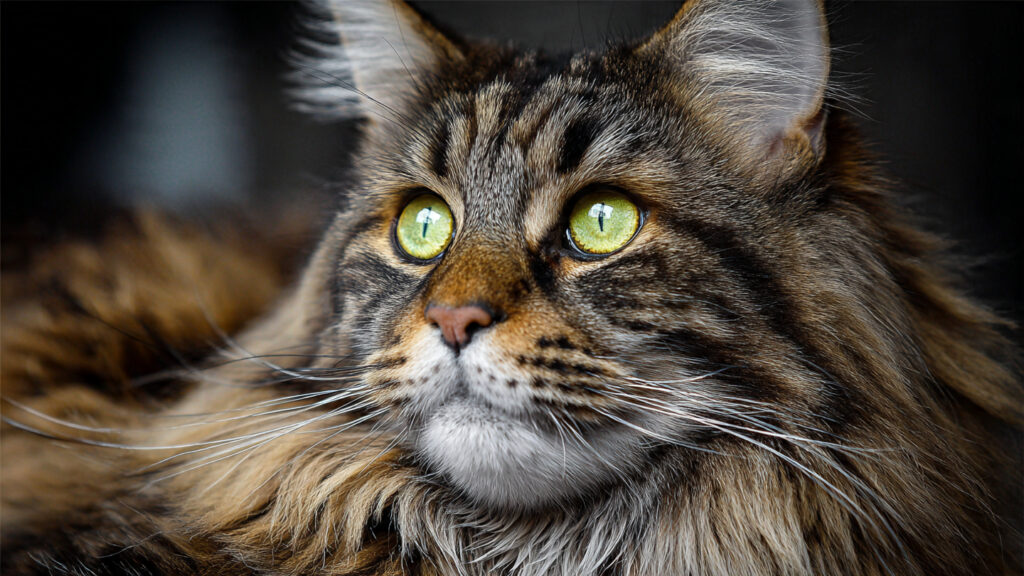
The Maine Coon is one of the most suitable cat breeds for families, especially those with children. Known as the “gentle giant” of the cat world, this breed is a great pet for homes with children because of its lovely nature, patience, and intelligence. One of the beautiful cat as pet.
2.1 Friendly and Child-Loving Nature
Maine Coons are ideal for family life because they are peaceful, sociable and friendly by nature. They like being around people and often develop close relationships with kids.
Why This Matters for Families
- They like handling by kids and do not harm them.
- They never act aggressively.
- They enjoy being part of daily family activities.
Example:
A Maine Coon was calmly sitting beside a child while they read a book or watch cartoons, rather than scratching or running away.
2.2 Patient and Tolerant Temperament
All cats can not tolerate children’s occasional loudness or discomfort. Stress-related aggressiveness is less common in Maine Coons because of their excellent tolerance and relaxed nature.
Key Traits
- They show patient with naughty children.
- They are less likely to bite or scratch the child.
- They are suitable for busy households.
Example:
If a child accidentally hit the cat too heavily, a Maine Coon is more likely to walk away than react aggressively.
2.3 Playful but Gentle Personality
Though they enjoy playing, Maine Coons are safe for kids as they typically play in a gentle and controlled manner.
Fun Without Risk
- They enjoy interactive toys and remains happy with them.
- They play without using claws excessively.
- Their energy level is like kids. So both enjoy eachother company.
Example:
A Maine Coon may enjoy chasing a football with a child without becoming aggressive.
2.4 Intelligent and Easy to Train
They can be trained according to the needs of household as they are very intelligent. Maine Coons are highly intelligent and can learn household rules quickly, which is helpful in homes with children.
Family-Friendly Intelligence
- They can be trained to avoid aggressive play if they have little bit.
- They respond well to positive reinforcement.
- They are naturally able to learn routines easily.
Example:
A Maine Coon was rescued and it shows behavior of aggressiveness in start. After training it became gentle as described.
2.5 Strong and Robust Build
Compared to smaller cat breeds, Maine Coons are less flexible due to their size and strength. They are therefore more appropriate for households with little children. Because kids bend the cat when try to take them in lap.
Physical Advantages
- They are less likely to be injured during play.
- They have strong bones and muscular body.
Example:
Maine Coon is less likely to show aggressibe behavior when toddler try to sit on the cat.
2.6 Good Compatibility With Other Pets
Maine Coons easily get strong bonding with other pets. So it is also good for compatibility with other pets.
Peaceful Coexistence
- Very gentle nature for other pets like dog or fish in aquarium.
- They can accepts new pets easily.
Example:
Maine Coon and dog was playing with toys.
Why Maine Coon Is Ideal for Families With Children
1. They have gentle and affectionate nature.
2. They are patient with kids.
3. They are of playful nature with kids but safe for kids.
4. They have very strong body.
5. They are easy to train.
6. They are friendly with other pets.
3. Birman
The Birman cat is often called the “Sacred Cat of Burma” and is widely known for its calm nature, affectionate personality, and beautiful appearance. Birman is considered as one of best cat breed for families with kids.
3.1 Temperament: Calm, Patient, and Loving
Naturally Gentle Personality
Birman are naturally and are recognized for being gentle and soft-spoken. They maintain calmness even in crowded homes, and they do not show aggression in such households.
Why This Matters for Children
- They are kind with children.
- They are not aggressive. So they will not hurt kids.
- They love being around kids.
Example:
Birman was sitting quietly in the party where kids were hugging and laughing loudly to the cat.
3.2 Affectionate Without Being Overly Demanding
Balanced Companionship
Birman have very quiet and gentle nature. They sit around family gathering and remain unnoticed.
Ideal for Family Life
- They enjoys family gathering and sit very quietly.
- They may feel discomfort when left alone for some time.
- They can adapt according to the family routines.
Example:
Birman will not disturb the kids watching TV, it will stay calmly.
3.3 Child-Friendly Playfulness
Playful but Gentle
Birmans are playful, and their nature is soft and controlled, which is ideal for younger children.
Safe Interaction
- They also enjoy interactive toys.
- They do not use claw during play.
- They react gently to everyone.
Example:
Birman was playing peacefully with kids.
3.4 Sociable and Friendly With Everyone
Gets Along With Family Members
Birmans are social cats that form affectionate bonds with all family members, including children, adults, and even guests. They are good for busy households.
Good With Other Pets
- They have friendly nature toward other cats even from other breed.
- They usually accept dog as other pet.
Example:
Birman was enjoying with dog and they were playing football.
3.5 Low-Maintenance Grooming for Busy Families
Easy Coat Care
Birman have long furs on their body so they require grooming according to the needs.
Family Grooming Advantage
- Brushing once or twice a week is enough for preventing from mat.
- A good opportunity to teach children to take pet care responsibility.
Example:
Kids were loving brushing the Birman. It is good for kids as they to brush beautiful furs of cat.
3.6 Adaptable to Indoor Family Homes
Thrives Indoors
Birman love to remain indoor and can adapt family environment very well.
Calm Indoor Behavior
- They are not destructive.
- They are comfortable in apartments or houses.
- Enjoy quiet play and resting spaces.
Example:
A Birman was sitting peacefully with family while they were busy in watcing TV show.
4. British Shorthair
The British Shorthair is one of the most desired cat breeds among families with kids because of its soft nature, strong body, and affectionate personality. This breed is particularly well-suited for homes looking for a low-maintenance, friendly pet.
4.1 Gentle and Patient Temperament
Calm Nature
British Shorthairs are known for their gnetle, affectionate and kind nature. Unlike highly energetic breeds, they are not overly demanding, making them ideal for families with young children.
Patient With Children
These cats have natural ability of tolerance, which helps them handle the occasional noise or excitement that kids make. They do not show aggressive behavior.
Example:
Bristish shorthair moved to another room as kid hit her.
4.2 Affectionate Without Being Overly Clingy
Enjoys Family Time
British Shorthairs enjoy being around their family and like to sit nearby, especially during quiet family moments. They aslo like to sit quietly even in noise.
Respects Personal Space
Tecah you kids to repect the cat. Do not tease her so much.
Example:
A British Shorthair may sit beside a child while they read or watch TV, enjoying the company without demanding constant attention.
4.3 Strong and Child-Safe Build
Sturdy Body Structure
This breed is very strong as compared to other breeds. Their body is very strong and beautiful.
Suitable for Gentle Play
This cat is very suitable for kids because they love playing with kids.
Example:
If a child drops a ball near the cat and plays gently, the British Shorthair can comfortably participate without getting stressed.
4.4 Low Aggression and Easygoing Behavior
Rarely Aggressive
British shorthair is less aggressive that is why they are good for family with kids.
Easy to Train for Good Behavior
They respond well to gentle training, which helps maintain peaceful interactions between children and pets.
4.5 Low-Maintenance Grooming for Busy Families
The British Shorthair has a very soft and short coat that requires minimal grooming.
Family-Friendly Care Routine
Brushing in a week is usually enough, making it easy for parents and children to participate in cat care together.
Example:
A child was brushing the cat and washing her face because he love to care the cat.
Why British Shorthair Is Ideal for Families With Children
The British Shorthair have very calm nature with kids and family members. They combines patience, affection, strength, and calmness, making it an excellent choice for families.
5. Siamese
Siamese cats are one of the most famous and very desired cat breeds in the world. They are known for their beautiful blue eyes, sleek bodies, and beautiful coat, Siamese cats are also highly affectionate. Therefore they are excellent choice for families with children.
5.1 Personality and Temperament
Highly Social and Affectionate
Siamese cats love being around people and strongly bond with family members. They actively seek attention and enjoy in being a part of everyday family life, as compared to other breeds.
Why this matters for families?
Children often want a cat that responds to them, follows them around, and enjoys interaction. And their nature is also very good that’s why people love them because of their kids.
Example:
A Siamese cat may follow a child from room to room, sit beside them while they do homework. This cat loves to play with kids.
5.2 Playful and Energetic Nature
Enjoy Interactive Play
Siamese cats also have very playful nature. They enjoy games that involve movement, such as chasing toys, playing fetch, or using puzzle toys.
Why this matters for children:
Their energy level is similar to kids who like to play and interact with their pets.
Example:
A child playing with football sees Siamese cat also joined him.
5.3 Strong Communication Skills
Vocal and Expressive
Siamese cats are well known for being talkative. They use a variety of sounds to talk to their owners about their needs, interest, or excitement.
Why this matters for families:
Pets that respond to their commands are often liked by kids. Children might develop an emotional bond with their Siamese cat due to its talkative habit.
Example:
If a child comes home from school, a Siamese cat may greet them with loud meows, making the child feel love and affection for his cat.
5.4 Intelligence and Trainability
Easy to Teach and Engage
Siamese cats are highly intelligent and can learn commands, walking, and playing with proper training.
Why this matters for children:
Teaching a pet simple training can be a fun learning experience and helps children develop responsibility and patience for their cat.
Example:
A kid came from school and Siamese cat welcomed the kid with Meow because of training.
5.5 Compatibility With Children
Gentle but Needs Respect
Although Siamese cats are generally kind and understanding, they are good for kids who know how to treat animals with respect and care.
Important consideration:
This cat breed with positive aspect have negative aspect too they do not like rough handling, so teaching children proper pet manners is essential.
Example:
In a family where children are taught not to pull tails or ears, and do not hit the cat a Siamese cat will usually respond with affection and trust.
6. Burmese
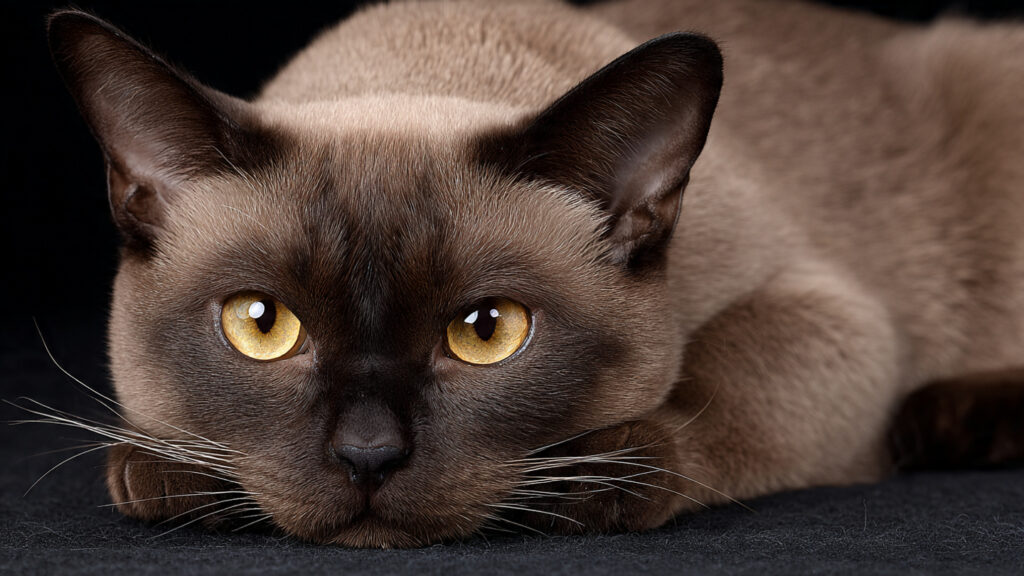
The Burmese cat is regarded as one of the ideal cat breeds for households with kids. Burmese cats are appropriate to busy homes with energetic kids because of their loving nature, playful nature, and close relationship with people.
6.1 Gentle and Affectionate Nature
Burmese cats have a strong social aspect. They often travel with their owners from room to room and love being with family members. Burmese cats are perfect for kids who want a close relationship with their pet and they love cuddling and demand attention.
Why this matters for families:
Children often want a pet that responds to affection. Burmese cats enjoy gentle petting and will happily sit with children during playtime or remains quiet when chidlren friends are at home.
Example:
A child reading a book or watching TV may find a Burmese cat is sitting beside them, and enjoying like them.
6.2 Playful and energetic personality
Burmese enjoy interactive games, toys, and activities that keep them mentally and physically stimulated. This playful energy matches well with children who love to engage with their pets.
Why this matters for families:
An active cat keeps kids engaged and promotes positive participation in different activities like walk instead of boredom or anger.
Example:
Children can engage the cat with feather wands or playing football creating beautiful moments and bonding.
6.3 Patient and Tolerant With Children
The patience of Burmese cats is one of their most distinctive qualities. When treated with kindness, they are less likely to become aggressive and are generally tolerant if they are handled gently. They are therefore appropriate for households with small children who are still learning how to engage with pets.
Why this matters for families:
As they are very tolerant and loving nature for kids that is why they are well suited for families with kids.
Example:
Burmease cat will move to another room if child tease them.
6.4 Highly Social and Family-Oriented
Burmese cats do best in social settings. They like homes where someone is always around and dislike being left alone for a long period of time. These cats naturally get the attention and connection they need from families with kids.
Why this matters for families:
It is better for families with busy routine becaus they feel happy for being around the people.
Example:
In a home where children return from school in the afternoon, the Burmese cat will eagerly greet them and join in family activities.
6.5 Easy to Care For and Low Maintenance
Burmese cats have short, silky coats that require very little grooming it depends on family needs how they they want to see their cats. Occasional brushing at sometimes in a week is enough to keep their fur healthy, but if kid want to engage in this activity allow them to do brush their pet.
Why this matters for families:
As there are no so much grooming requirements they are ideal for busy families.
Example:
A child can share the responsibility with parents to brush the cat once a week, in this way he will learn responsibility while strenthening their bonding with their pet.
7. Abyssinian
The Abyssinian is one of the most popular cat breeds among families with kids because of its great energy, intelligence, and loving nature. These cats love being a part of family that have busy lifestyle.
7.1 Friendly and Child-Loving Personality
Social and People-Oriented Nature
Abyssinians are extremely social cats that love human interaction. They are known for forming strong bonds with family members and children.
- They enjoy following people around the house beause they love to remain around people.
- They like being involved in activities as their owners are involved rather than sitting alone.
- They love gentle handling by their owners.
Example
In a family with school-age children, an Abyssinian may happily follow kids either they are in room, watching cartoons, doing homework, or sitting nearby during playtime.
7.2 High Energy and Love for Play
Ideal for Active Children
Because of their high levels of energy and playful nature, Abyssinians are ideal for kids who like engaging in play.
- Abyssinians loves chasing toys and playing games with kids.
- They enjoy climbing tress or shelves.
Example
A child plays football with Abyssinians will keep both owner happy and engaged.
7.3 Intelligent and Easy to Engage
Smart and Curious Breed
This breed is highly intelligent and curious, which makes it easy to mentally stimulate and train the cat.
- Abyssinians can learn simple commands and tricks during training.
- Abyssinians like puzzle, toys and interactive games.
- Abyssinians quickly adapt its owner routine.
Example
Children can teach an Abyssinian to respond to its name or play with ball. This will help kids learn responsibility while keeping the cat mentally active.
7.4 Gentle but Not a Lap Cat
Affectionate in Its Own Way
Abyssinians show affection through interaction with owner. This makes them suitable for children who understand personal space is very important.
- Abyssinians prefers playing or sitting nearby the owner.
- Abyssinians does not like rough handling they may show aggression.
- Best for understanding children.
Example
Abyssinian may sit beside the child while they watch TV or do homework, showing companionship without feeling overwhelmed.
7.5 Low Aggression and Good Family Compatibility
Safe Choice for Families
Abyssinians are rarely aggressive when properly socialized and given proper attention.
- Abyssinians respond well to positive attention.
- Abyssinians is less likely to scratch or bite or show any aggressive behavior even not teased.
- Abyssinians are good for joint family system.
Example
In a busy household with visiting friends or relatives, an Abyssinian usually remains confident and curious rather than showing fear or aggression.
Why Abyssinian Cats Are Great for Families With Children
1. Abyssinians are active and playful.
2. Abyssinians are friendly and social.
3. Abyssinians are intelligent and engaging.
4. Abyssinians are gentle with proper handling.
5. Abyssinians are ideal for energetic households.
8. Scottish Fold
The Scottish Fold is among the most popular cat breeds among households, particularly those with kids. This breed is well-suited to busy homes and loves human company. It is famous of beautiful folded ears and overall beauty that kids will love.
8.1 Unique Appearance That Children Love
Signature Folded Ears
The Scottish Fold is because of folded ears, which give the cat a round, owl-like face, is its most distinctive characteristic from other cats. The breed is highly popular in family homes because of its lovely appearance, which often attracts children.
Soft Coat and Expressive Eyes
For children who like to engage with pets, Scottish Folds is a best option because they are beautiful and lovely to touch. They have beautiful eyes and soft fur.
Example:
A child reading a book or watching TV often finds a Scottish Fold sitting quietly beside them and enjoying while her owner is busy.
8.2 Calm and Affectionate Temperament
Gentle Nature
Scottish Folds are famous for their calmness, kindness, and affection. When treated properly, they are safe companions for kids because they rarely show aggressive behavior.
Enjoy Human Attention
This breed enjoys being around people and often follows family members from room to room. They do not like to live alone so they chase human attention.
Example:
When children come home from school, a Scottish Fold may greet them softly and sit nearby while they do homework or watch TV.
8.3 Great Compatibility With Children
Patient and Tolerant
Scottish Folds are generally patient with children who handle them carefully. They tolerate light handling and are less likely to scratch or bite when treated kindly. There is a risk they can be aggressive if teased.
Ideal for Indoor Family Life
They adapt well to indoor living, and is suitable for families in apartments or houses without large outdoor spaces.
Example:
A family with young children living in an apartment can have Scottish Fold for their child that loves playing indoors with toys and interacting calmly with kids.
8.4 Playful but Not Overly Energetic
Balanced Activity Level
Scottish Folds enjoy playing but are not aggressive if not provoked. This balance makes them perfect for children who want a playful companion without chaos.
Enjoy Simple Games
They enjoy toys, puzzle, and gentle play sessions with children.
Example:
A child using puzzle play can easily engage a Scottish Fold and they will have fun play session.
8.5 Important Health Considerations for Families
Awareness of Joint Issues
Scottish Folds can have joint and cartilage problems due to their unique structure. Families should ensure regular veterinary checkups.
Teaching Children Gentle Handling
Children should be taught to handle the cat gently, avoiding pressure on the tail or joints.
Example:
Parents were guiding children to pick the cat softly and avoid picking it up incorrectly. It will ensure the cat stays comfortable and happy.
9. Exotic Shorthair
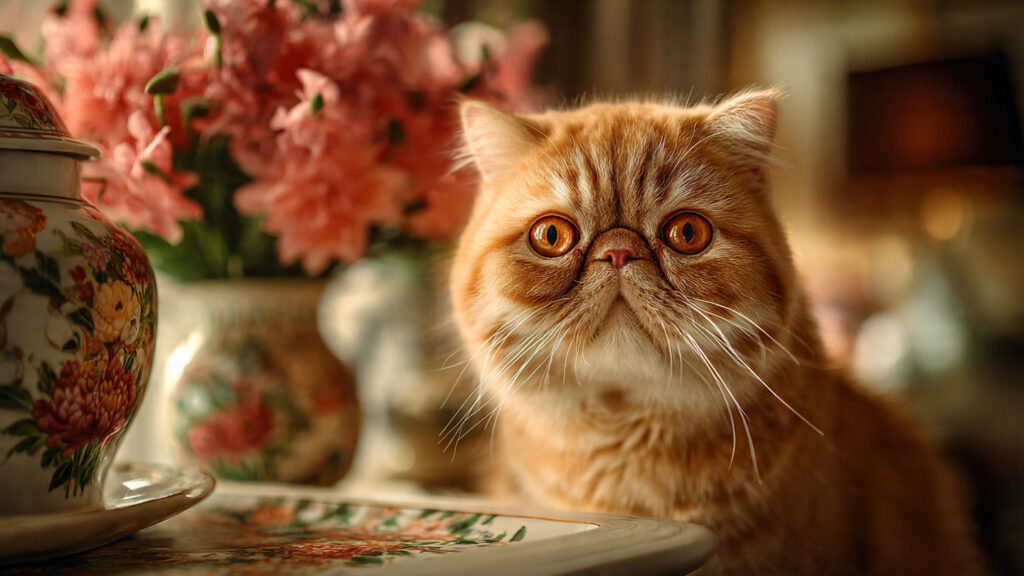
The Exotic Shorthair is a lovely and kind cat breed that are often referred as the “lazy Persian” due to its peaceful and loving personality. This breed’s low maintenance coat and pleasant nature make it perfect for households with kids.
9.1 Personality and Temperament
Exotic Shorthairs are friendly, tolerant and loving. They are known to develop close relationships with their human companions and love to spend time with family members including kids. Exotic Shorthairs are peaceful, which makes them great playmates for younger children who might not yet understand how to interact gently with pets, in contrast to other breeds that could become stressed.
Example
A child can have fun by gently play with an Exotic Shorthair without worrying about the aggressive behavior of cat like scratching or running away.
9.2 Physical Features
This breed resembles a soft teddy bear because of its round face, big, beautiful eyes, and short, fluffy coat. Unlike long-haired breeds, their short fur requires less brushing, which makes them easier for busy households.
Example
Parents do not need to spend hours brushing fur daily, and children can enjoy petting a soft cat.
9.3 Interaction with Children
Exotic Shorthairs are known for their patience and tolerance, which is a big advantage in homes with children. They do not become upset or aggressive when they are handled gently, hugged, or teased occasionally.
Example
A 5-year-old can safely play with an Exotic Shorthair or share a cozy spot on the couch without becoming worry the cat will become aggressive.
Ideal Living Environment
A family can set up a small play area with toys where both the kids and the cat can interact safely. They can set area according to their needs.
10. American Shorthair
The American Shorthair is a classic, all-American cat breed that is popular among families with kids because of its peaceful, amiable, and adaptable traits. Because of their gentle and loving nature, they have been a common home pet for many centuries.
10.1 Temperament and Personality
American Shorthairs are relaxed, playful, and loving. Although they are self-sufficient and enough to amuse themselves, they also appreciate spending time with relatives. They are perfect for homes with active kids who might not always have parents around to look over them.
Example
A child can play a gentle game of chase with an American Shorthair, and the cat will often respond enthusiastically without becoming aggressive or overexcited.
10.2 Adaptability to Family Life
These cats are highly adaptable and can be a good suit for busy family environments. They generally behave friendly with other pets and adjust easily to changes in routine or household dynamics.
Example:
If a family guests came with a dog, an American Shorthair can usually remain calm and behave friendly with the new companion without stress.
10.3 Low Maintenance and Health
American Shorthairs have short, and thin coats that require minimal grooming, making them practical for families with busy schedules. They are also known for their strong health and long life.
Example:
Children can share responsibilty with their parents like brushing the pet.
10.4 Playfulness and Interaction with Children
Although this breed loves energetic play, it is kind and good for young children’s and occasionally show uncomfortable behavior. They are intelligent and can enjoy easy games or tricks, which promotes good communication and strong bonds with children.
Example
Younger children brings American shorthair when they went to play with friends.
FAQs
Which cat breeds are best for families with children?
Ragdoll, Maine Coon, Birman, British Shorthair, and American Shorthair, are often considered ideal for families with children.
Are cats safe to keep around young children?
Yes, cats can be safe around children when both are trained how to interact respectfully.
Which cat breed is the most patient with kids?
Ragdolls are often regarded as one of the most patient cat breeds.
Do family-friendly cats require a lot of attention?
Breeds like the British Shorthair and American Shorthair are independent and need attention.
Are playful cat breeds better for children?
Yes, playful breeds such as the Maine Coon and Burmese can be great for children.
What is the best cat breed for toddlers?
For families with toddlers, calm and tolerant breeds like Ragdoll, Birman, and Persian are often recommended for toddlers.
Conclusion
Choosing the right cat for a family that has children can make a big difference in creating a happy and peaceful home. While every cat has its own personality, certain breeds are naturally more tolerant, affectionate, and playful. From gentle giants like the Maine Coon to cuddly Ragdolls and lively Abyssinians, there are many breeds that are good for families with kids. Ultimately, the best cat for your family is one that matches your lifestyle, activity level, and the energy of your children. By selecting a breed known for its friendly and patient nature and teaching kids how to interact respectfully you can enjoy, have fun, love, and enjoy companionship with your friend. A well-chosen family cat not only brings joy but also helps children learn empathy, responsibility, and the joys of growing with pet.