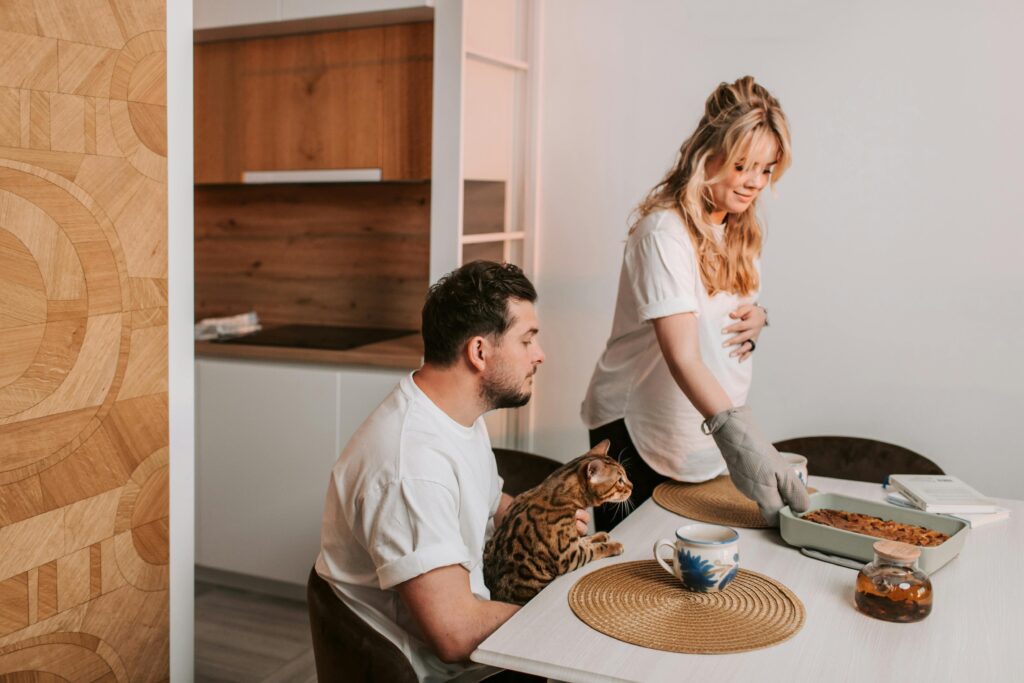
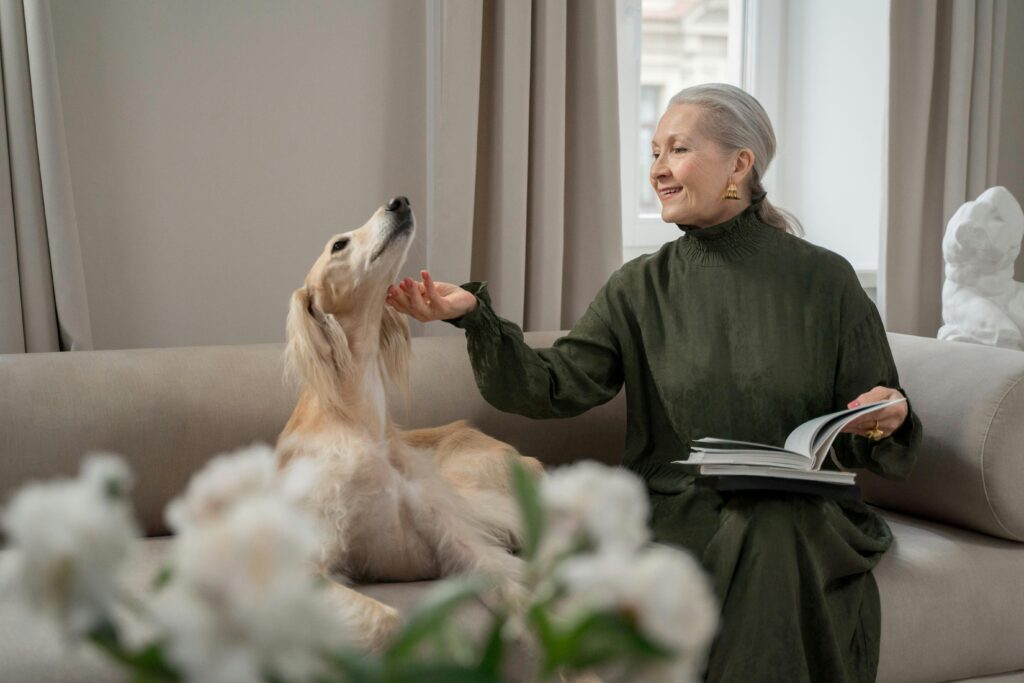
They are loved family members who bring us joy, comfort, and company. Pets are more than just animals. Like people, pets must stick to the same daily routines to stay healthy, happy, and busy. If they form the right habits, they will live longer and have a better quality of life. Just like humans, pets grows well when their day includes the right balance of nutrition, exercise, mental stimulation, and rest. Establishing simple daily habits not only improves your pets physical health but also supports emotional well being, reduces stress, and prevents common health issues over time. By following these simple steps, as i am going to describe in article you can make the best daily habits for your pet and improve its health. These tips can help if you love dogs, cats, or small pets. A healthy pet starts with a consistent daily routine. Read also:

Importance of Daily Exercise for Pets
Regular Physical Activity Keeps Pets Fit
One of the best ways to keep cats healthy is to give them daily exercise. For dogs, this can mean walking, fetching, or running in the park. Cats also need to be busy, so they like climbing cat trees, chasing toys, or playing with other cats. Regular exercise keeps you from getting fat, builds muscle, and keeps your heart healthy. Regular exercise helps pets burn excess calories and maintain a healthy body weight. Overweight pets are more likely to suffer from diabetes, heart disease, and joint problems. Read aslo:
Example:
A dog that goes for a 30-minute walk daily is less likely to gain unhealthy weight compared to a dog that stays indoors all day.
Exercise Helps Reduce Stress and Anxiety
Pets get stressed out just like people do. They might become antsy, nervous, or even destructive if they have nothing to do. A daily workout routine helps you get rid of stress and bad habits. When dogs walk twice a day, they tend to be calmer inside, and when cats play every day, they are less likely to scratch furniture or shed too much.
Example:
A cat that plays with puzzle toys or laser games daily is calmer and more relaxed.
Improves Heart and Muscle Strength
Exercise strengthens the heart, lungs, and muscles. Active pets have better blood circulation, stronger bones, and improved endurance. This is especially important for growing puppies, active breeds, and aging pets that need to keep their joints flexible.
Example:
Interactive games like fetch or climbing toys help build muscle strength in dogs and cats.
Encourages Better Behavior and Training
Exercise helps release pent-up energy, making pets more obedient and easier to train. Well-exercised pets are more focused during training sessions and respond better to commands.
Example:
A dog that has had a morning walk is more likely to listen during obedience training.
Improves Digestion and Sleep Patterns
Regular movement supports better digestion and helps pets maintain healthy sleep cycles. Active pets tend to sleep better and wake up refreshed, leading to improved mood and energy levels.
How to Choose the Best Activity for Your Pet
Different pets like different kinds of things to do. Sometimes a small dog likes short walks better than a Labrador, which needs longer runs. Some cats like puzzle feeders better than laser toys. Please consider how your pet acts and change the training schedule to fit their needs.
Feeding Habits That Support Long Term Health
Stick to a Consistent Feeding Schedule
Giving pets daily food simultaneously helps keep their energy and stomach in check. Most dogs do better with two meals a day, while cats may do better with several smaller meals during the day. A pattern keeps pets from eating too much and helps owners watch their pets’ appetites for early signs of health problems.
Example:
Feeding your cat twice daily once in the morning and once in the evening can prevent overeating and digestive upset.
Pick Good Food for Your Pet
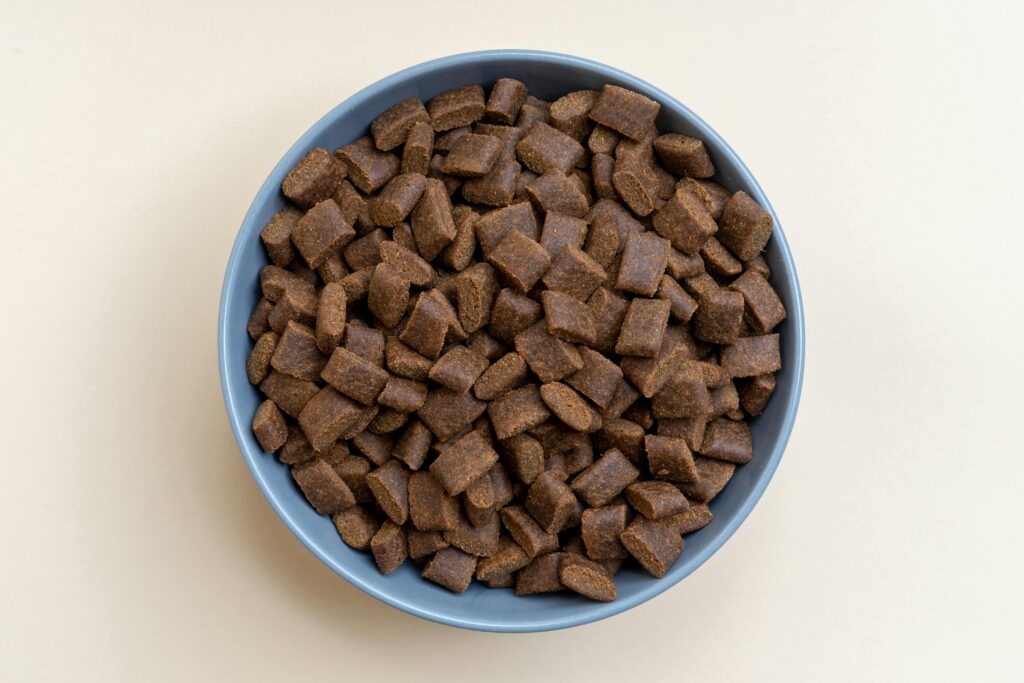
Food choices directly impact health. Find foods that have the right amount of protein, good fats, and vitamins you need. Stay away from foods that have a lot of fillers, fake colours, or preservatives. Food and water are very important, so fresh water should always be nearby.
Example:
A dog fed high-quality dog food with real meat, vegetables, and essential nutrients will have stronger muscles and better immunity than a dog eating table scraps daily.
Control Portion Sizes to Prevent Obesity
People often eat too much, which can cause weight gain and health problems. Use a measuring cup for accuracy and do what your vet says. You should not give your pet too many treats; they should not make up more than 10% of their daily food.
Example:
Using a measuring cup for your dog’s meals helps maintain a healthy weight and reduces the risk of diabetes and heart issues.
Provide Fresh Water at All Times
Proper hydration is just as important as food. Clean, fresh water supports kidney function, digestion, and temperature regulation.
Example:
Replacing your pet’s water daily encourages regular drinking and helps prevent urinary and kidney problems.
Limit Treats and Avoid Harmful Foods
Treats should be used in moderation and never replace balanced meals. Human foods high in sugar, salt, or fat can harm your pet’s long-term health.
Example:
Using small, healthy treats like training biscuits instead of leftovers helps prevent weight gain and digestive issues.
Grooming as Part of Daily Care
Brushing Keeps Fur and Skin Healthy
Your pet’s coat will stay clean and shiny if you brush it regularly to remove loose hair, dirt, and knots. Regular brushing also helps spread natural oils and keeps hair from getting matted. For cats, cleaning gets rid of hairballs, and for dogs, it keeps them from losing fur.
Cleaning Eyes and Ears
Gently wipe around the eyes to remove dirt or discharge. Check ears for redness, bad odor, or excess wax, which may indicate infection.
Things You Need for Bathing and Cleaning
Pets do not need to be bathed every day, but they should have a routine for keeping clean. It is important to clean your dog’s ears when they need it and wipe their paws after walks. Also, look for ticks or fleas. Cats clean themselves most of the time, but owners should still make sure their cats are clean.
Trimming nails and taking care of teeth
Nails that are too long can hurt and make it hard to walk. When you trim your dog’s paws often, they stay healthy. Tooth care is just as important. Your pet’s gums and breath will remain clean if you brush their teeth daily or give them oral chews.
Example
For example, a dog owner can spend 10–15 minutes every evening brushing their dog’s coat, checking ears and paws, and giving a quick body inspection. This simple habit helps reduce shedding, prevents skin infections, and allows the owner to notice issues like ticks or minor injuries early.
Mental Stimulation and Enrichment
Playtime Boosts Brain Health
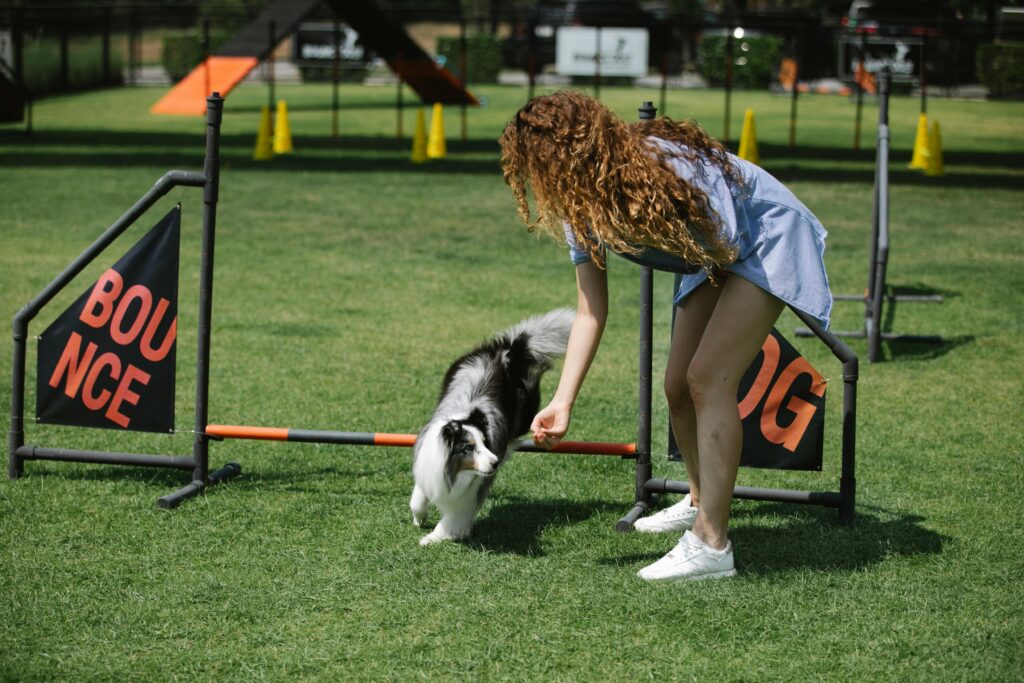
To keep your brain sharp, do fun things like you work out your body. When pets play games with you, like fetch, hide and seek, or food puzzles, they are likelier to think and keep their minds busy.
Example:
Instead of serving dry food in a bowl, give your dog a puzzle feeder where they must move pieces to access the food. For cats, treat balls that release kibble as they roll are excellent options.
Training Sessions Build Confidence
Pets get daily training that teaches them new things and how to behave well. Giving treats or praise is one way to use positive feedback to make learning fun. You and your pet will have a stronger bond when you train it.
Example:
Teach your dog a new command like “spin” or “stay,” or practice recall. For birds, repeating simple words or teaching them to step up on command provides excellent mental exercise.
Variety Keeps Pets Engaged
If pets live in the same place all the time, they might get bored. You can make obstacle courses at home, switch up the toys, or add new smells. Pets are happy and smart when they get many things to do.
Example:
Hide treats around the house or garden and let your dog sniff them out. For indoor cats, rotate toys or add a cardboard box with hidden treats to encourage exploration.
Interactive Play with Owners
Interactive play strengthens mental engagement and emotional bonding.
Example:
Use a feather wand to mimic prey movements for cats, or play tug-of-war with your dog using clear rules. This keeps the pet mentally alert while also providing light physical exercise.
The Role of Sleep in Pet Health
Pets Need Consistent Sleep Routines
Pets do better when they sleep simultaneously every night, just like people do. Dogs sleep 12 to 14 hours daily. , while cats can sleep sixteen. Giving them a safe, quiet, and comfortable place to sleep will help them get a good night’s rest.

Example:
Feeding and walking your dog at the same times every day helps them sleep peacefully through the night.
Comfortable Sleeping Areas Matter
Buy your pet a good bed that will keep their joints healthy. Younger dogs like soft pillows, while older dogs might need orthopedic beds. Make sure you clean your sheets often to keep dirt and bugs away.
Example:
A dog with a quiet sleeping corner and a fixed bedtime shows reduced anxiety and better digestion.
Sleep Affects Behaviour and Energy Levels
Pets that do not get enough rest can get cranky, antsy, or even mean. When pets get enough rest, they are healthier, more active, and easier to train.
Signs Your Pet Is Not Getting Enough Sleep
Lack of proper sleep can negatively impact your pet’s health. Watch for these warning signs:
- Excessive irritability or aggression
- Low energy levels
- Poor appetite
- Difficulty focusing during training
Preventive Health Care and Vet Visits
Daily Health Checks at Home
If you check your pet daily for signs of sickness, you can find problems early. Check for changes in your hunger, lumps that do not seem right, or trouble moving. It is also important to monitor bathroom habits, since changes can signify health problems.
Why regular vet visits are important
Regular trips to the vet are important even if your pet seems healthy. Checkups with vets once or twice a year let them find early signs of illness. As part of regular care, you should also get shots, get rid of parasites, and have dental checks.
Keep Medical Records Organised
Keeping a file with health notes, medications, and records of vaccinations helps you keep track of progress and makes trips to the vet easy. Maintaining records in order will ensure your pet never misses an important treatment.
Social Interaction and Bonding
Social interaction and bonding are essential parts of a pet’s daily routine. Pets are social animals, and regular interaction with their owners and other animals helps improve their emotional, mental, and physical health. A strong bond also reduces stress, anxiety, and unwanted behaviors.
Why Social Interaction Matters for Pet Health
Daily social time helps pets feel secure and loved. Pets that receive regular attention are usually more confident, less aggressive, and easier to train. Social interaction also stimulates the brain, which is just as important as physical exercise for overall health.
For example, dogs that are regularly engaged in play and conversation with their owners show fewer signs of separation anxiety. Cats that receive daily affection are less likely to develop stress-related behaviors like excessive hiding or scratching.
Daily Bonding Activities for Pets
Creating small bonding moments throughout the day can make a big difference in your pet’s well-being.
Examples:
- Morning greetings: Spend a few minutes petting or talking to your pet after waking up. This sets a positive tone for the day.
- Interactive playtime: Use toys, balls, or feather wands to engage your pet for at least 10–20 minutes daily.
- Training sessions: Short training sessions strengthen trust while improving discipline and mental health.
- Evening relaxation: Sitting quietly with your pet, gentle grooming, or cuddling helps them feel safe and calm.
Socialization with Other Pets and People
Introducing pets to other animals and people helps improve their social skills and confidence. Controlled social exposure reduces fear-based reactions and aggression.
Examples:
- Taking dogs on daily walks where they see other dogs and people.
- Allowing cats to observe visitors from a comfortable distance.
- Letting birds interact with family members through calm talking and gentle handling.
Emotional Benefits of Strong Pet–Owner Bonding
A strong emotional bond helps pets feel emotionally balanced and secure. Pets that feel connected to their owners are more responsive, happier, and healthier overall.
Example:
A dog that receives daily attention and praise is more likely to follow commands and remain calm in new environments. Similarly, rabbits that are gently handled every day become more relaxed and trusting.
Simple tips to improve daily bonding
- Be consistent with daily interaction times
- Use positive reinforcement and gentle voice tones
- Avoid ignoring your pet for long periods
- Give full attention during play and training
Creating a Safe and Clean Environment
Clean up the places you live
Pets are safe from germs, smells, and bugs when you clean every day. Pet hair should be wiped down, food bowls and litter boxes should be cleaned often.
Get rid of household dangers
Things like cleaning tools, chocolate, and small toys that you find around the house can be dangerous. Making your home pet proof keeps your dogs safe and stops accidents from happening.
Allow people to get fresh air and sunlight
Your pet will be healthier if they get outside light and air. Dogs do better when walking outside, and cats like safe window sills or fenced in cat parks.
FAQs
Why are daily routines important for pets?
Daily routines provide structure, improve physical and mental health, and strengthen the bond between pets and their owners. Pets thrive on consistency and predictability.
How much exercise does my pet need daily?
Exercise needs vary by species and breed. Dogs usually need 30–60 minutes of activity, cats benefit from 15–30 minutes of play, and small pets like rabbits or guinea pigs need daily supervised movement.
What is the best way to feed my pet daily?
Feed pets according to age, size, and health requirements. Use a consistent schedule, fresh water, and high-quality, balanced food to support overall health.
How can I include mental stimulation in my pet’s routine?
Engage your pet with toys, puzzles, training sessions, and interactive play to stimulate their brain and prevent boredom.
Why is social interaction important for pets?
Social interaction helps pets feel loved, reduces stress and anxiety, and improves behavior. Regular bonding strengthens the pet–owner relationship.
How often should I groom my pet?
Grooming frequency depends on the pet type and breed. Dogs may need brushing several times a week, cats weekly, and small pets like rabbits require gentle daily or weekly care depending on fur type.
Conclusion
In summary, maintaining daily routines tailored to your pet’s needs is essential for their physical, mental, and emotional well-being. Regular exercise keeps them active and healthy, balanced meals provide essential nutrients, and proper grooming ensures cleanliness and comfort. Equally important are social interaction and bonding, which strengthen your relationship and reduce stress, while mental stimulation keeps your pet alert and happy. By incorporating these simple yet consistent routines into your pet’s day, you not only enhance their health but also nurture a loving, trusting, and joyful companionship. Small daily efforts can make a big difference, creating a happier, healthier life for both you and your pet.