Having a pet brings happiness, love, and company into a home. For kids, having a pet can be one of the best things in the world. Pets are fun and good for you, teaching you to be responsible, kind, and caring for others. That being said, not all pets are safe for kids to handle. Some need more care, work, and attention than others. If you are a parent looking for the best choices, this article will help you find safe, manageable, and fun pets for your kids. In this article, you will learn about the best pets for kids, how to care for them, and why they are good family choices. Some pets are good for every type of lifestyle, whether you live in a house with a backyard or an apartment with limited space.
Why Choosing the Right Pet Matters
Pets Teach Responsibility
Growing up with pets is a fun and natural way for kids to learn responsibility. Kids learn to care for other living things by feeding, cleaning, and playing with pets. This helps kids become kind and responsible adults.
Children’s safety
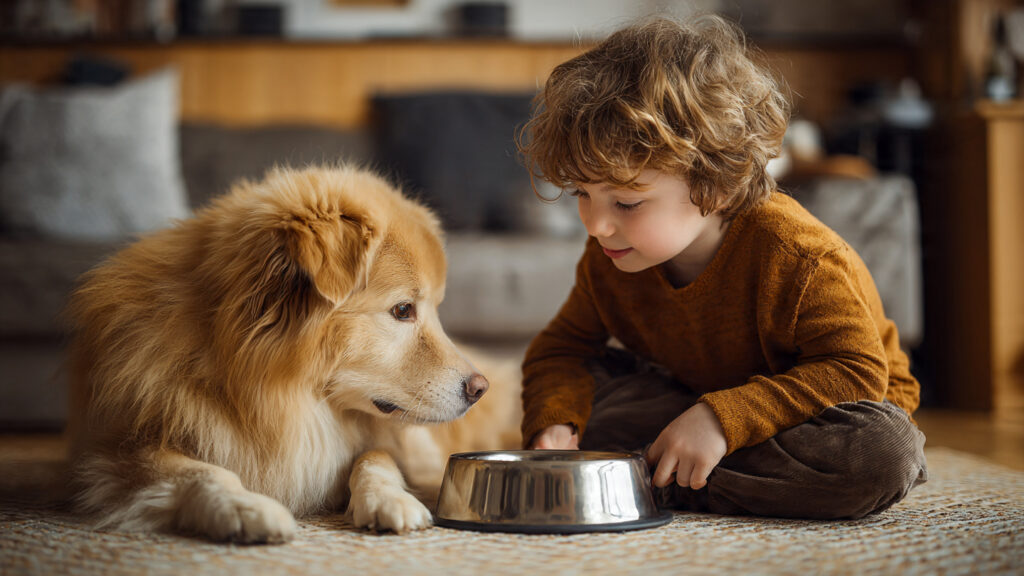
Most pets are not safe for kids, especially very young ones. You must be careful when touching some animals, while others might be too weak or mean. Pets that are easy to care for and gentle are safe for kids to play with because they will not hurt themselves or the pet.
Lasting Pleasure
Owning a pet should bring you long lasting happiness, not stress. Kids should have pets that are easy for their parents to take care of. If you get your kids the right pet, they will have years of fun, bonding, and company.
Best Easy Pets for Kids
Fish
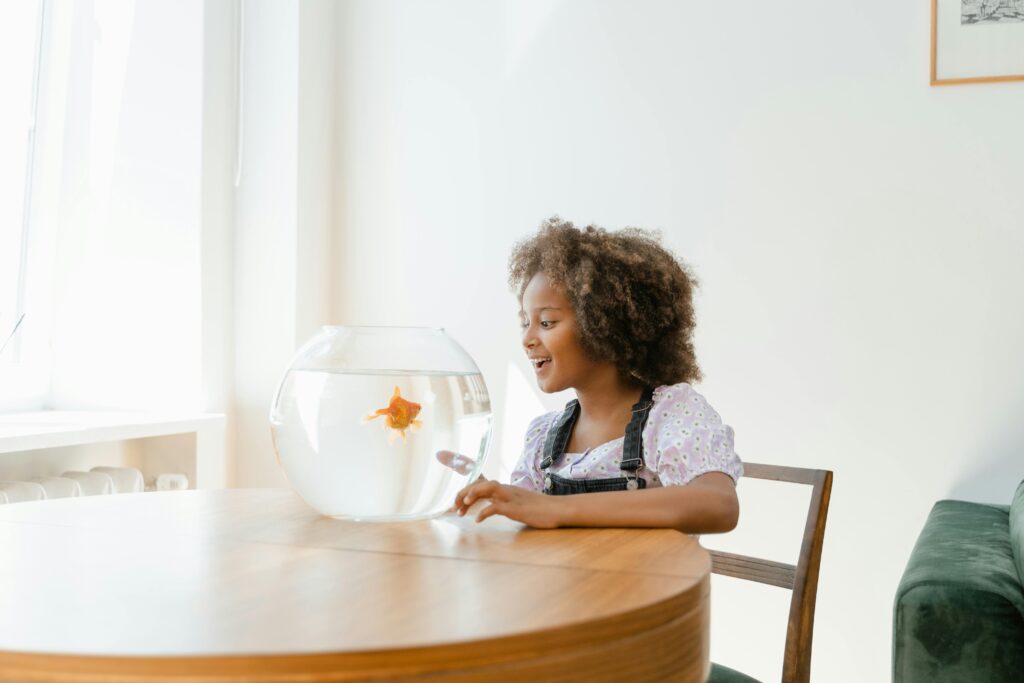
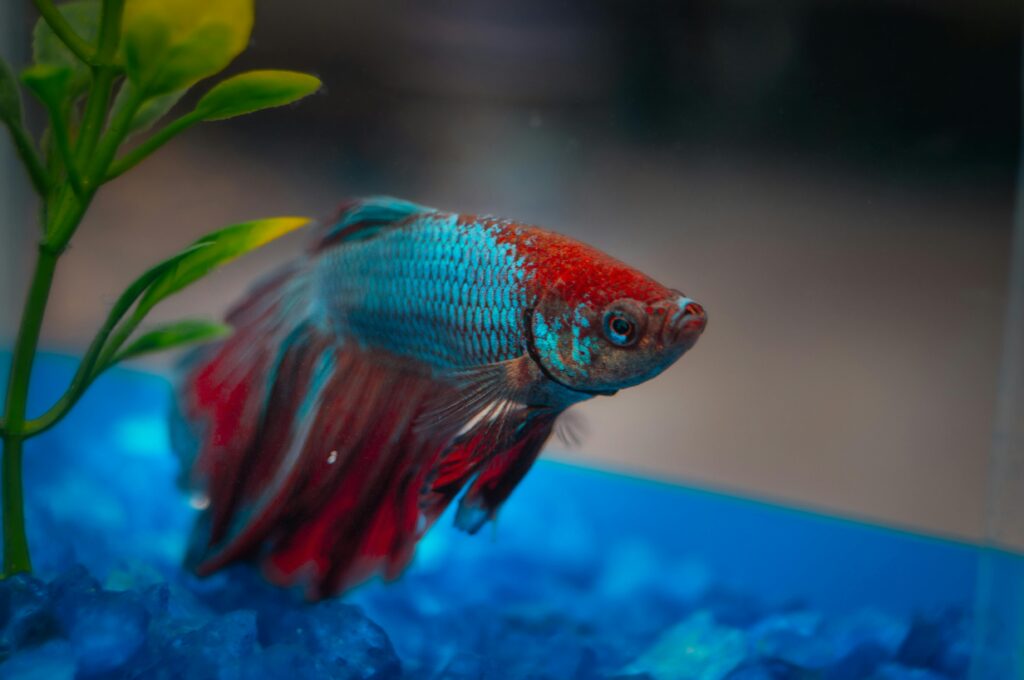
Children can keep fish as pets without much trouble. They are peaceful to watch and easy to take care of. Goldfish and bettas are simple fish that only need a clean tank, water, and regular food. Since kids like to feed them and watch them swim, they learn patience.
Why Fish are ideal pet for kids
Fish are excellent starter pets, especially for young children. They do not require physical handling, which reduces the risk of accidental harm to both the child and the pet.
Key reasons families love fish:
- Easy daily care
- Quiet and peaceful
- Suitable for small homes and apartments
- Budget-friendly compared to other pets
Low maintenance and simple daily care
Fish care is simple and predictable, making it easy for children to follow a routine.
Basic care includes:
- Feeding once or twice a day
- Turning tank lights on and off
- Watching for changes in fish behavior
- Weekly or bi-weekly tank cleaning with adult help
This routine helps kids learn consistency and responsibility without feeling overwhelmed.
Beta fish type for kids
Some fish are more suitable for children because they are hardy and easy to care for.
Popular kid-friendly fish include:
- Goldfish – Strong and easy to feed
- Betta fish – Can live alone and have bright colors
- Guppies – Active, colorful, and fun to watch
- Mollies – Peaceful and adaptable to different tanks
Educational benefits of keeping fish
Fish are not just pets—they are learning tools. Children can observe fish behavior, understand feeding schedules, and learn about water cleanliness.
What kids learn from fish:
- Responsibility through daily feeding
- Basic biology by observing movement and growth
- Patience by maintaining a clean tank
- Calmness through watching fish swim
Fish as pets for kids with allergies
Fish are an excellent option for children who are allergic to fur or feathers. Since fish live in water and do not shed hair, they are safe for allergy-sensitive families.
Example
For example, a 7-year-old child can feed the fish every morning before school while a parent helps with tank cleaning on weekends. This shared responsibility builds confidence and teaches teamwork within the family.
Things parent should consider
While fish are easy pets, parents should still guide children to ensure proper care.
Important considerations:
- Avoid overfeeding
- Maintain clean water
- Choose the right tank size
- Supervise younger children
2. Guinea Pigs
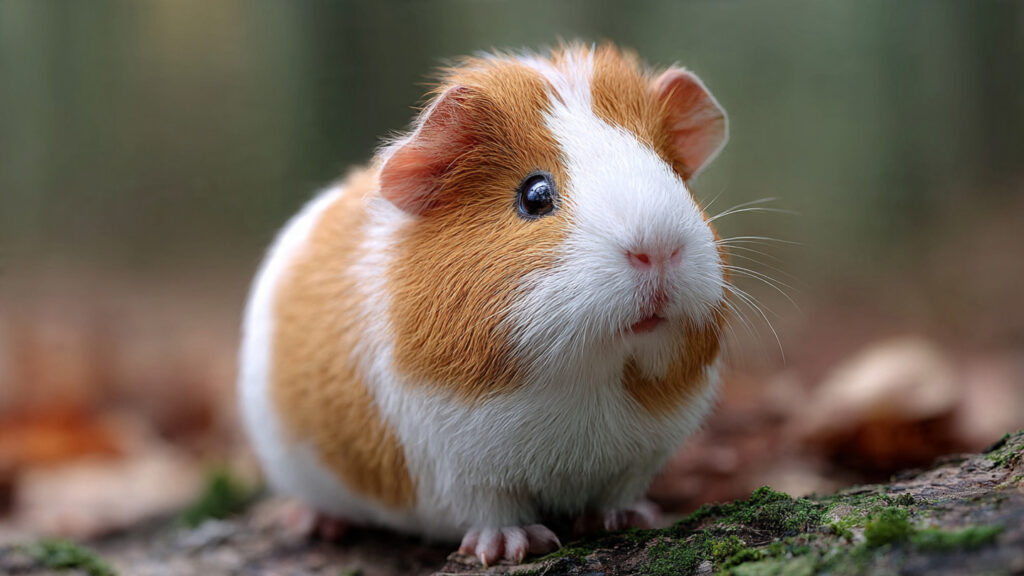
Guinea pigs are cute and friendly, and like to be around other animals. They enjoy being around people and do not bite very often, which makes them great pets for kids. Guinea pigs are happy and make kids happy if they have a clean cage, fresh food, and daily contact.
Why Guinea pigs are great for kids
Guinea pigs are known for their friendly and non-aggressive behavior. Unlike some small animals, they rarely bite when handled properly. This makes them safer and more suitable for young children.
They also enjoy human interaction and often respond to their owners with cute sounds, helping kids build emotional connections with their pets.
Example:
A child can sit quietly and gently pet a guinea pig while it relaxes, helping the child learn patience and kindness.
Easy care and daily needs
Guinea pigs are relatively easy to care for, which is why families love them. Their basic needs include:
- Fresh hay and vegetables daily
- Clean drinking water
- A spacious, clean cage
- Gentle daily interaction
Children can help with feeding and refilling water, while parents can handle cage cleaning.
Example:
A child can be responsible for giving fresh vegetables every evening, while a parent cleans the cage once a week.
Teaching kids for Responsibility
Guinea pigs are excellent pets for teaching responsibility. Caring for them helps kids understand routines, consistency, and compassion for living beings.
Kids can:
- Feed them at the same time every day
- Check their water bottles
- Observe their behavior and health
Example:
If a guinea pig squeaks loudly near feeding time, kids learn that pets rely on them and must not be ignored.
Space and environment requirement
Guinea pigs do not need a large home, but they do require enough space to move around comfortably. A well-ventilated cage placed in a quiet area of the house works best.
They prefer calm environments and may feel stressed in noisy or crowded spaces.
Example:
Placing the cage in a family room rather than a noisy hallway helps guinea pigs feel safe and relaxed.
Health and lifespan consideration
Guinea pigs typically live between 5 to 7 years, which is longer than many small pets. This makes them a medium-term commitment for families.
Regular cleaning, proper diet, and gentle handling help keep them healthy and active.
Example:
A healthy guinea pig with proper care will stay playful, eat well, and show curiosity toward its surroundings.
Why families love guinea pigs in 2026
In 2026, families are choosing guinea pigs because they:
- Are gentle and child-safe
- Require moderate care
- Help children learn responsibility
- Fit well in apartments and small homes
3. Hamsters
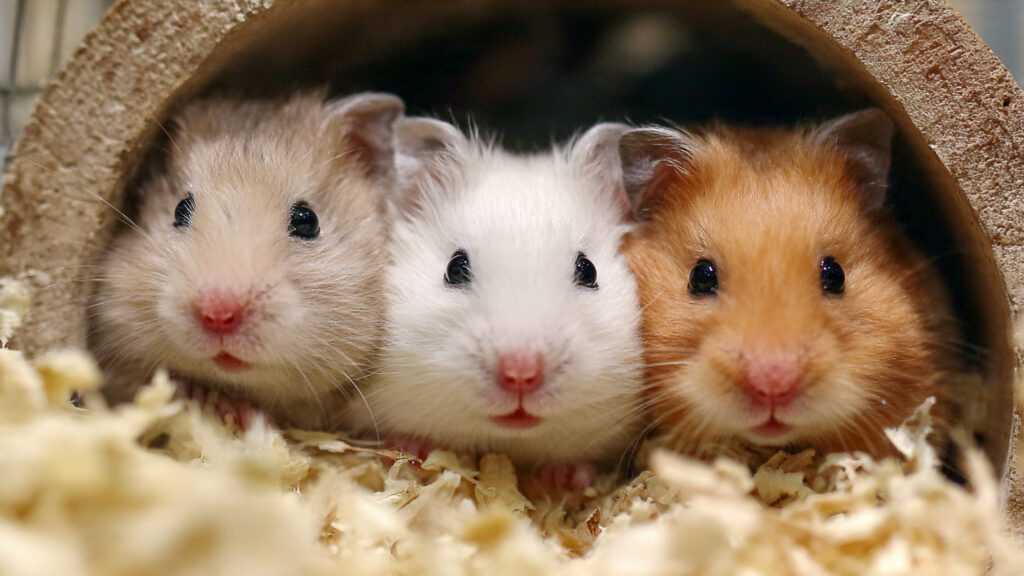
Little kids and teens can have hamsters as pets and have a great time with them. They like to move around and run on wheels, and it can be fun to watch them. Kids will never get bored with a hamster box with tunnels and toys, and they will learn how important it is to take care of pets every day.
Why hamsters are great pets for kids
Hamsters are gentle, quiet, and easy to manage with adult supervision. They do not need large living spaces and are suitable for apartments or small homes. Because of their simple routine, hamsters help children learn responsibility without feeling overwhelmed.
Example:
A child can take charge of feeding the hamster each evening while parents handle cage cleaning. This allows kids to feel involved while keeping care safe and consistent.
Easy care requirements
Hamsters are low-maintenance pets compared to cats or dogs. They need a clean cage, fresh water, food, and occasional playtime outside the cage.
Basic needs of a hamster
- A well-ventilated cage with bedding
- Fresh water in a bottle
- Nutritious hamster food and small treats
- A running wheel and chew toys
Example:
A simple weekly schedule where the cage is cleaned once a week and food is checked daily is easy for families to follow.
Teaching kids Hamsters responsibility
Hamsters are excellent pets for teaching children daily care routines. Feeding, refilling water, and observing behavior help kids understand commitment and consistency.
Example:
A child who feeds their hamster every morning learns the importance of routine and responsibility in a fun and manageable way.
Hamsters behavior and handling tips
Hamsters are usually calm but can become scared if handled roughly. Teaching children to be gentle and patient is important for building trust.
Safe handling tips
- Always wash hands before and after handling
- Let the hamster come to the child’s hand
- Avoid waking a sleeping hamster
Example:
Parents can show children how to let the hamster walk onto their palm instead of grabbing it, making the experience safe and enjoyable.
Best age for kids to own a Hamster
Hamsters are best suited for children aged 6 years and older, with parental guidance. Younger children can observe and help with simple tasks, while older kids can take on more responsibility.
Things parents should know before choosing a Hamster
Although hamsters are easy pets, they are mostly active at night and prefer quiet environments during the day. Parents should also explain their short lifespan to children to avoid emotional surprises.
Example:
Families who understand that hamsters sleep during the day can set playtime in the evening when the pet is naturally active.
4. Small Mammals as Easy Pets
Rabbits
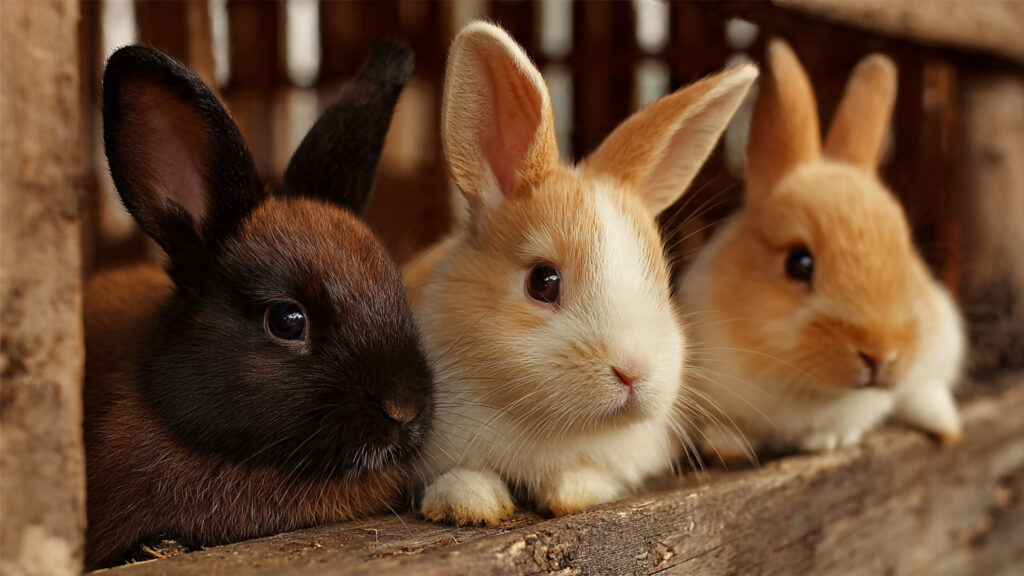
Kids love rabbits because they are soft and friendly. They like to hop around, eat veggies, and be petted. When given the right room and care, rabbits make great pets that get along well with kids.
Why Rabbits are great pets for kids
Rabbits are gentle animals that enjoy calm interaction. They are not aggressive by nature and prefer soft handling, making them suitable for children who can follow simple care rules.
Key benefits of rabbits for kids:
- Friendly and social animals
- Quiet pets that do not disturb the home
- Can be litter trained like cats
- Teach children patience and responsibility
Example:
A child who gently feeds and pets a rabbit daily learns how to be calm and caring, helping build emotional sensitivity.
Easy care requirements for Rabbits
Rabbits are considered low to moderate maintenance pets. With a clean living space and proper feeding, they remain healthy and happy.
Housing Needs
Rabbits need a spacious cage or playpen with enough room to move, stretch, and play. They also enjoy supervised time outside their enclosure.
Example:
A family may set up a playpen in the living room where the rabbit can hop around while children watch and interact safely.
Diet and Feeding
A rabbit’s diet mainly includes hay, fresh vegetables, and clean water. Occasional treats like fruits can be given in small amounts.
Example:
Children can help by refilling hay racks or placing fresh vegetables in the bowl under adult supervision.
Teaching kids responsibility through Rabbits
Rabbits help children learn daily responsibility in simple ways. Tasks like feeding, cleaning, and observing the rabbit’s behavior build discipline.
Daily tasks for kids include:
- Refilling water bowls
- Adding fresh hay
- Gently brushing the rabbit
Example:
A child who feeds the rabbit every morning learns consistency and commitment.
Safety and handling tips
Rabbits are sensitive animals and should be handled gently. Kids should be taught to sit on the floor while holding a rabbit to prevent accidental drops.
Important safety tips:
- Always support the rabbit’s body
- Avoid loud noises around the rabbit
- Adult supervision is necessary
Example:
Parents can show children how to pet the rabbit softly instead of picking it up suddenly.
Are Rabbits are the best pet for your family?
Rabbits are ideal for families who want a calm, loving pet and have time for gentle care. They are best suited for children who are patient and willing to learn proper handling.
Example:
A family with school-aged children who enjoy quiet playtime will find rabbits to be a perfect match.
5. Gerbils
Small rodents called gerbils are clean, busy, and easy to care for. Since they live in groups, keeping two or more of them together is best. Because they do not bite often and are fun to watch, gerbils make good pets for older kids.
Why Gerbils are great for kids?
Gerbils are known for their curious and energetic behavior. They love to dig, run, and explore, which keeps children entertained. Unlike some small pets, gerbils are generally gentle and less likely to bite when handled properly.
Example:
A child can enjoy watching gerbils build tunnels in their bedding or run on a wheel, turning everyday care into a fun learning experience.
Easy care and low maintainence
Gerbils do not require complicated care routines. They need a clean cage, fresh water, healthy food, and occasional cleaning. This makes them a good choice for families looking for a low-maintenance pet.
Subheading: Basic Gerbil Care Needs
- A spacious cage with bedding for digging
- Dry gerbil food, seeds, and fresh vegetables
- Fresh water daily
- Weekly cage cleaning
Example:
A child can help refill the water bottle and add food under adult supervision, learning responsibility through simple tasks.
Gerbils are clean and odor free
One reason families love gerbils is that they produce very little odor compared to other small pets. They groom themselves often and keep their living area clean when properly maintained.
Example:
Families living in apartments or small homes find gerbils ideal because their cage does not smell when cleaned regularly.
Social pets that prefer company
Gerbils are social animals and usually do better in pairs or small groups. This also teaches children the importance of companionship and caring for more than one pet.
Example:
Two gerbils living together will play and sleep side by side, giving kids a chance to observe social behavior in animals.
Teachings kids responsibility and empathy
Taking care of gerbils helps children learn responsibility, patience, and kindness. Simple daily routines make pet care manageable and educational.
Example:
A child who feeds and checks on their gerbils every day develops a sense of responsibility and pride in caring for another living being.
Things parents should know before Gebrils
While gerbils are easy pets, they still require gentle handling and supervision. They are quick movers and can jump if startled.
Subheading: Important Tips for Parents
- Supervise young children during handling
- Use a secure cage to prevent escapes
- Teach gentle handling techniques
6. Rats
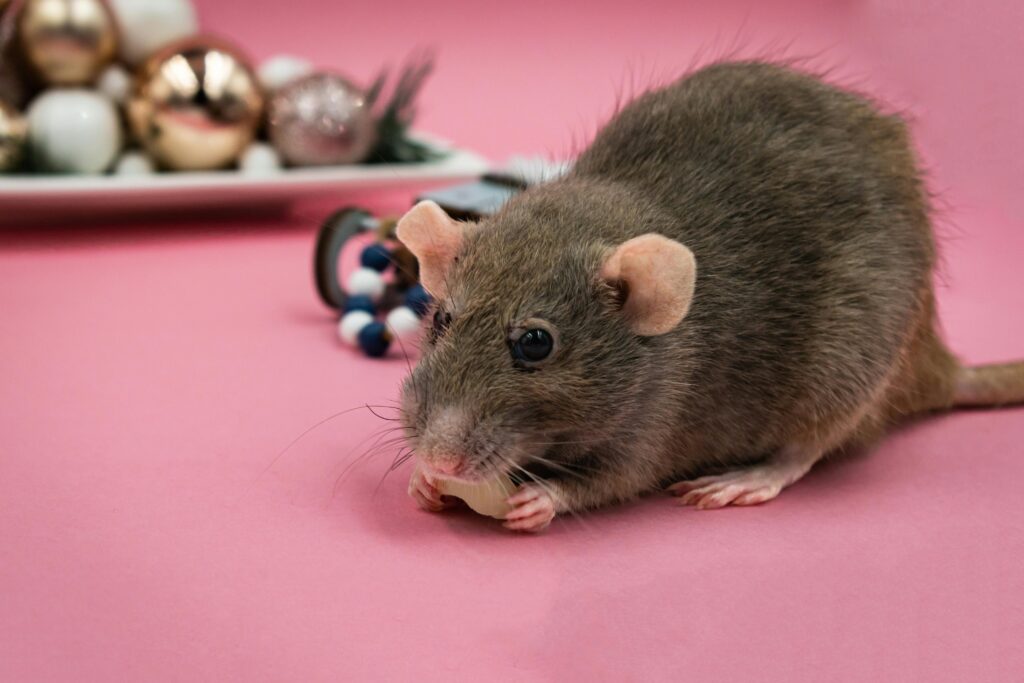
Even though some people do not like them, rats are smart, nice, and surprisingly clean. They enjoy being around people, can learn new tricks, and love to play. Rats are wonderful pets for kids who want a friendly and fun friend.
Why rats are good choice for kids
Highly intelligent and easy to train
Rats are known for their intelligence. They can recognize their names, learn tricks, and even respond to simple commands. This makes them exciting pets for kids who enjoy interaction and learning.
Example:
A child can train a rat to come when called or walk through a small tunnel using treats and positive reinforcement.
Friendly and Social Nature
Unlike some small pets, rats enjoy human interaction. They like to be handled gently and often form strong bonds with their owners. Rats also prefer living in pairs, which helps keep them happy and active.
Example:
Two pet rats living together will play, groom each other, and stay calmer, which makes them more enjoyable for kids to observe.
Easy care and housing needs
Simple living space
Rats do not need a lot of space. A well-ventilated cage with bedding, toys, food, and water is enough. Cleaning the cage once or twice a week keeps the environment healthy.
Example:
A child can help by refilling water bottles or placing fresh bedding under adult supervision.
Affordable and low maintainenece
Compared to larger pets, rats are affordable to keep. Their food, toys, and cage supplies are budget-friendly, making them a practical option for families.
Teaching responsibilities through rats
Helping kids learn daily care
Rats are great for teaching kids responsibility without overwhelming them. Simple tasks such as feeding, checking water, and gentle playtime help children build daily routines.
Example:
A child can be responsible for feeding the rats every morning, while parents handle cage cleaning.
Things parents should know
Short Lifespan
Rats usually live 2–3 years. Parents should explain this to children so they understand and are emotionally prepared.
Supervision is important
Young children should always handle rats gently and under adult supervision to ensure safety for both the pet and the child.
7. Reptiles as Easy Pets
Turtles
Turtles live a long time and are very interesting animals. It is easy to care for them once they are in a tank with water, land, and light. Kids like to feed turtles and watch them move slowly but in interesting ways.
Why turtle are a good choice for kids
Turtles are gentle animals that do not demand constant attention. They are ideal for families who want a pet that fits easily into a busy lifestyle.
Key reasons families love turtles:
- They are quiet and do not disturb the home
- They do not need daily handling
- They can live for many years, creating a long-lasting bond
Example:
A child who enjoys observing animals rather than playing rough will enjoy watching a turtle swim, bask, and eat in its tank.
Easy care and maintenance
Turtles are considered low-maintenance pets when their habitat is set up correctly.
Basic care needs
- A clean tank with both water and a dry basking area
- Proper lighting for warmth and shell health
- Regular feeding with turtle pellets and fresh vegetables
Once the setup is complete, daily care usually involves feeding and checking the water, while cleaning is done weekly.
Example:
Parents can handle tank cleaning, while kids help by feeding the turtle and turning lights on and off.
Teaching kids responsibility
Turtles are excellent pets for teaching children responsibility without overwhelming them.
What kids can learn:
- Feeding on schedule
- Observing health and behavior
- Understanding long-term commitment
Because turtles have a routine, kids learn the importance of consistency and patience.
Example:
A child who feeds the turtle every morning learns the value of daily responsibility and caring for another living being.
Safe pets for children with allergies
Turtles are a great option for families with allergy concerns because they do not shed fur or feathers.
Why this matters:
- Reduced allergy risks
- Cleaner indoor environment
- Suitable for sensitive children
This makes turtles one of the safest pet choices for kids who cannot be around cats or dogs.
Important safety and hygiene tips
While turtles are easy pets, hygiene is very important.
Safety guidelines
- Children should wash hands after touching the tank
- Avoid kissing or close face contact
- Adults should supervise handling
Teaching hygiene helps keep both children and turtles healthy.
Example:
Parents can make handwashing part of the routine after feeding or observing the turtle.
Is turtle a good pet for your family?
Turtles are best for families who:
- Prefer a quiet, low-noise pet
- Are comfortable with tank care
- Want a pet that lives for many years
They may not be suitable for children who want frequent cuddling, but they are perfect for kids who enjoy learning and observing animals.
8. Leopard Geckos
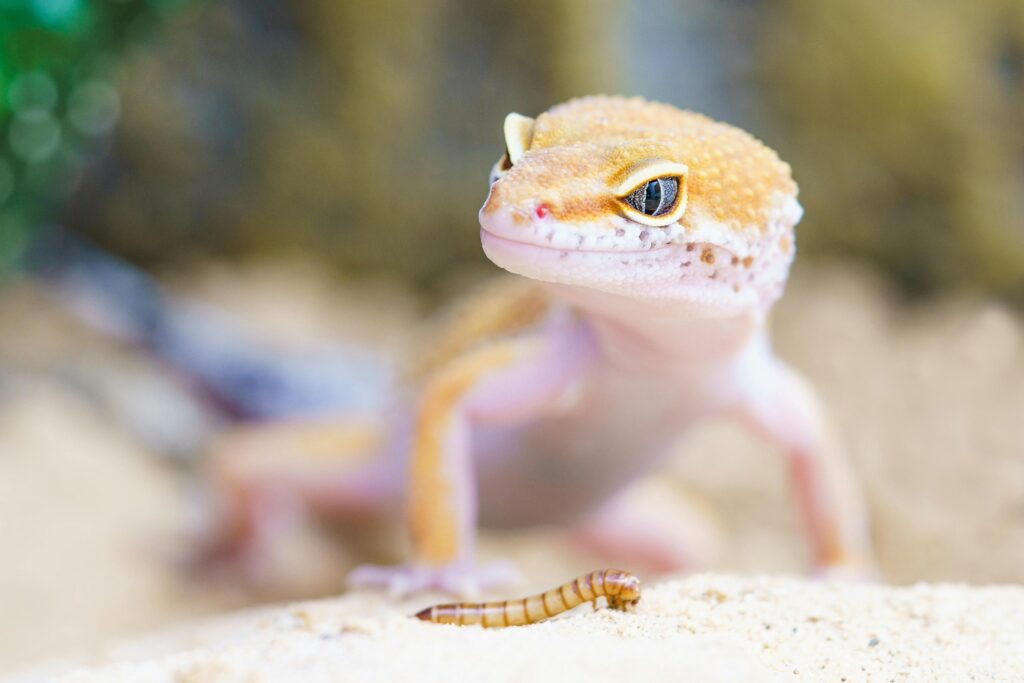
The leopard gecko is safe, easy to handle, and does not need much care. They eat bugs like crickets and live in terrariums. They are calm, which makes them great pets for kids who want something different.
Why Leopard Geckos are good pets for kids?
Leopard geckos are calm, quiet, and easy to manage. Unlike many reptiles, they are friendly and do not mind gentle handling when done correctly. This makes them suitable for older children who can follow basic care instructions.
Key reasons families love them:
- Easy to care for
- Calm temperament
- Rarely bite
- No loud noises or strong smells
Low maintenance and simple care needs
Leopard geckos do not require complex care routines. They live comfortably in a small tank with proper heating and hiding spaces. Feeding them a few times a week is usually enough.
Basic care requirements include:
- A small terrarium with a heat mat
- Clean water available at all times
- Feeding insects like crickets or mealworms
- Weekly cleaning of the enclosure
This makes them a good option for families who want a pet without daily heavy responsibilities.
Safe handling with adult supervision
Leopard geckos are safe for kids when handled gently and under adult supervision. They prefer slow movements and calm environments.
Example:
A child can gently hold a leopard gecko while sitting on the floor, with a parent nearby. This helps prevent accidents and teaches the child how to respect animals.
Great for teaching responsibility
Caring for a leopard gecko helps children learn responsibility in a simple way. Kids can help with feeding schedules, refilling water, and checking the temperature of the tank.
Example:
A 10-year-old child can be responsible for feeding the gecko every other day while a parent handles cleaning and tank setup.
Ideal for kids with allergies
Leopard geckos are an excellent choice for children with pet allergies because they do not have fur or feathers. This makes them a safer option for allergy-sensitive households.
Lifespan and long term commitment
Leopard geckos can live 10–15 years with proper care. Families should be ready for a long-term commitment before choosing this pet.
Things parent should consider
While leopard geckos are easy pets, parents should:
- Help set up the habitat correctly
- Ensure the child handles the pet gently
- Take responsibility for long-term care decisions
9. Birds as Easy Pets
Budgies (Parakeets)
There are small, bright birds called budgies that can be taught to talk and sing. They like to play with other animals and people and love being around kids. Budgies make happy pets for kids with clean food, water, and a box.
Why budgies are popular family pet 2026?
Budgies, also known as parakeets, are among the most loved pets for kids in 2026. Their bright colors, cheerful chirping, and friendly nature make them exciting companions for children. Families love budgies because they are small, affordable, and easy to care for compared to larger pets.
Gentle and kid friendly nature
Budgies are naturally gentle birds and can become very friendly when handled regularly. With patience and calm interaction, children can teach budgies to sit on their finger or respond to their voice. This helps kids learn how to be gentle and respectful toward animals.
Example:
A child who spends a few minutes each day talking softly to their budgie may notice the bird becoming more comfortable and playful over time.
Easy to care for and low maintenance
Budgies are considered low-maintenance pets, making them ideal for families with busy schedules. They need a clean cage, fresh water, bird seed or pellets, and some fruits and vegetables. Regular cage cleaning and daily feeding are simple tasks that kids can help with under adult supervision.
Example:
Parents can assign children the task of refilling the water bowl every morning, teaching responsibility through a simple routine.
Educational and interactive pets
Budgies are intelligent birds and enjoy interaction. They can learn to recognize their owners, mimic simple sounds, and even say a few words. This makes them both entertaining and educational pets for kids.
Example:
A budgie may learn to repeat simple words like “hello” after hearing them consistently, which can be exciting and motivating for children.
Suitable for small living spaces
Budgies do not require a large home or outdoor space, making them suitable for apartments or small houses. As long as they have enough room to move inside their cage and occasional supervised time outside, they can live happily indoors.
Important care tips for families
- Keep the cage in a calm, well-lit area away from direct sunlight
- Provide toys to prevent boredom
- Clean the cage regularly to maintain hygiene
- Always supervise young children during handling
Cockatiels
These birds, called cockatiels, are friendly and loving. These animals like to whistle and hang out with other people. These birds can live long so kids can treat them like long term friends.
Why cocktails are great pets for kids
Gentle and friendly nature
Cockatiels are calm and less aggressive compared to many other parrot species. This makes them safer and more comfortable for children to be around.
Example:
A cockatiel may enjoy sitting on a child’s shoulder or finger without biting when properly trained.
Easy to tame and handle
With regular interaction, cockatiels become hand-tame and enjoy human company. Kids can learn to gently handle them under adult supervision.
Example:
A child can practice offering treats from their hand to build trust with the bird.
Low maintenance compared to large birds
Cockatiels are easier to care for than large parrots. They require:
- A clean cage
- Fresh food and water
- Basic daily interaction
They do not need large living spaces, making them suitable for apartments and family homes.
Example:
Cleaning the cage once or twice a week can be a simple task parents and kids do together.
Teaching kids responsibility through cocktiels
Cockatiels help children learn responsibility by involving them in simple care tasks such as:
- Refilling food and water
- Talking to and observing the bird
- Helping clean the cage
Example:
A child can be assigned the daily task of checking the water bowl, helping them build a routine.
Social and emotional benefits for children
Cockatiels are social birds that enjoy interaction. They can reduce stress and loneliness in children while encouraging emotional bonding.
Example:
A child may feel comforted listening to their cockatiel whistle after a long school day.
Important things parents should know
- Cockatiels can live 15–20 years, so they are a long-term commitment.
- They need daily interaction to stay happy.
- Adult supervision is important when children handle them.
Example:
Parents can guide children on how to approach the bird calmly and avoid loud noises.
Finches
Finch birds are small, pretty, and easy to take care of. They like living in pairs or groups and do not need to be handled much. They sing and fly around their cages, which kids like to watch.
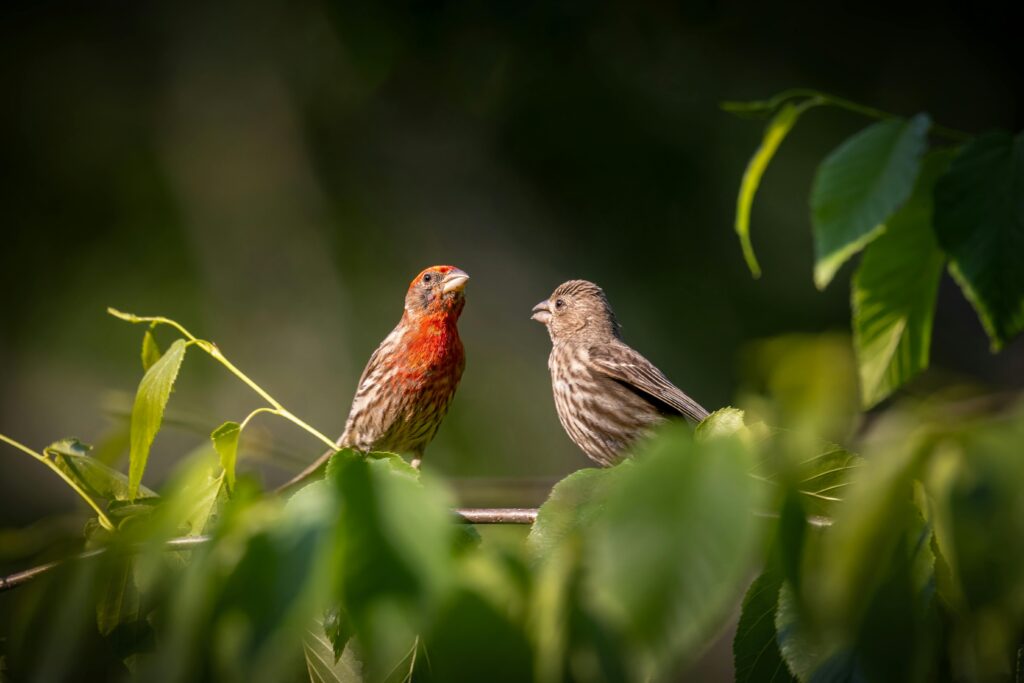
Why finches are a good choice for children
Gentle and peaceful nature
Finches are calm birds that enjoy living in pairs or small groups. They are not aggressive and rarely bite, which makes them safe around children when kept in a proper cage.
Example:
A child can sit near the cage and watch finches hop, chirp, and interact peacefully without disturbing them.
Easy care and low maintenance
Simple daily needs
Finches need fresh water, birdseed, occasional fruits or vegetables, and a clean cage. Their care routine is simple and can easily fit into a family’s daily schedule.
Example:
Parents can let kids help by refilling the water dish or sprinkling birdseed under supervision, teaching responsibility in a safe way.
Great for observation and learning
Encourages curiosity without handling
Unlike parrots, finches prefer not to be handled. This makes them perfect for teaching kids how to respect animals’ space while still enjoying their presence.
Example:
Children can learn about bird behavior, colors, and sounds by observing finches building nests or singing softly.
Ideal for small living spaces
Perfect for apartment and homes
Finches do well in medium-sized cages and do not need large play areas. Their quiet chirping is pleasant and not disturbing.
Example:
A finch cage placed in a living room or study area can brighten the space without causing noise or mess.
Teaching responsibilty through finch care
Caring for finches helps children understand routine and consistency without overwhelming them.
Example:
A child can have a weekly task of helping clean the cage tray or reminding parents when bird food is running low.
Things parents should know
Adult supervision is still important
While finches are easy pets, adults should handle cage cleaning and health checks to ensure proper care.
10. Cats and Dogs as Kids’ Pets
Small Dog Breeds
Families love dogs more than any other pet. Small dogs like shih tzus, pugs, and beagles are easy to care for and great with kids. Kids are always happy when these dogs come to play, go for walks, and hug.
Why small dog breeds are good for kids
Small dogs are easier for children to interact with compared to large breeds. Their size makes them less intimidating, and many small breeds are naturally playful and affectionate.
Key benefits include:
- Easy to handle for kids
- Require less living space
- Friendly and social personalities
- Safer for younger children under supervision
Gentle and kid friendly temprament
Many small dog breeds are known for being gentle, patient, and loving. These traits are important when choosing a pet for children, as kids are still learning how to behave around animals.
Example:
A Cavalier King Charles Spaniel is calm and enjoys cuddling, making it perfect for younger kids who prefer quiet playtime.
Easy to care for and train
Small dog breeds are usually easier to train because they respond well to positive reinforcement such as treats and praise. Basic commands like “sit,” “stay,” and “come” can be taught easily, helping kids feel involved in training.
Example:
A Pomeranian is intelligent and quick to learn simple tricks, which makes training sessions fun and educational for children.
Perfect for homes and apartments
Families living in apartments or small houses often prefer small dog breeds. These dogs do not need large yards and are comfortable with indoor play and short daily walks.
Example:
A French Bulldog is well-suited for apartment living and enjoys spending time indoors with family members.
Teaching kids responsibilty
Owning a small dog helps children learn responsibility. Kids can help with simple tasks like feeding, brushing, and walking the dog with adult supervision.
Example:
A child can help brush a Shih Tzu’s coat daily, learning consistency and care while bonding with the pet.
Popular small dog breeds
Some of the most popular small dog breeds for kids include:
- Pug
- Shih Tzu
- French Bulldog
- Cavalier King Charles Spaniel
- Pomeranian
These breeds are loved for their friendly nature and family-friendly behavior.
Things parents should consider
While small dogs are great for kids, parents should still consider:
- Time for daily care and attention
- Training needs
- Supervision during playtime
- Long-term commitment
Gentle Cat Breeds
Kittens are independent pets that love people. Raggedy and British shorthaired cats are calm, gentle, and love to cuddle with kids. Cats are friendly and patient, and they teach kids to respect animals.
Why Gentle Cat Breeds Are Ideal for Kids
Calm and patient nature
Gentle cat breeds are known for their relaxed temperament. They are less likely to scratch or bite, making them safer for young children. Their patient nature helps them tolerate playful behavior better than more energetic or aggressive breeds.
Example:
A child reading a book on the couch can enjoy a gentle cat quietly sitting beside them without becoming restless.
Low maintenance companions
Compared to dogs, cats require less daily attention. Gentle cat breeds are especially easy to care for, needing basic feeding, grooming, and litter box cleaning. This makes them suitable for busy families and first-time pet owners.
Example:
A family with school-going children can manage a gentle cat easily by assigning simple tasks like feeding or brushing once a day.
Best gentale cat breeds for families
Ragdolls
Ragdoll cats are famous for their calm and affectionate personality. They enjoy being held and are very tolerant of children, making them one of the best family-friendly cat breeds.
Example:
A Ragdoll may calmly stay in a child’s lap during TV time without trying to escape.
British shorthair
British Shorthairs are quiet, well-mannered, and independent but loving. They are perfect for families who want a gentle pet that does not demand constant attention.
Example:
This breed is happy relaxing in the same room while kids play, without getting stressed.
Maine Coon
Maine Coons are large, gentle cats often called “gentle giants.” They are friendly, intelligent, and enjoy interacting with children in a playful but controlled way.
Example:
A Maine Coon may follow children around the house and gently play with toys without rough behavior.
Persian Cats
Persian cats have a calm and relaxed personality. They prefer quiet environments and are suitable for families with well-mannered children who understand gentle handling.
Example:
A Persian cat may enjoy sitting peacefully near children during homework time.
Teaching kids
Encourage respectful handling
Even the gentlest cat needs to be treated with care. Teaching children how to pet softly and avoid pulling tails or ears helps maintain a positive relationship.
Supervised playtime
Parents should supervise interactions, especially with younger children, to ensure safe and comfortable play for both the child and the cat.
Example:
Using toys like feather wands allows kids to play with cats safely without direct handling.
Teaching Kids to Care for Pets
Feeding Responsibilities
Kids should be pushed to help feed their pets every day. It helps them learn responsibility and builds routines. Animal owners can watch their pets eat to ensure they get the right amount.
Cleaning Duties
For pets to stay healthy, their homes need to be clean. With an adult’s help, kids can do simple things like changing the water, cleaning the cages, or cleaning up after pets. This teaches kids to be clean and treat animals with care.
Playtime and Bonding
As important as feeding your dogs is spending time with and playing with them. Children who play with their pets learn to be kind and form mental bonds with them. This builds bonds that are strong and loving.
Preparing Your Home for a Pet
Safe Environment
Make sure your house is safe before you bring a pet home. Take out anything dangerous, tie down any lines, and make sure pets cannot get out easily. Kiddies and pets are safe with this.
Space on the Right
Each pet needs a different amount of room. There must be space for fish to swim, mice to hide, and dogs to run and play. Ensuring pets have the right room helps them feel at ease and happy.
Supplies and Extras
Pet care is easy when you have the right tools. Pets need food bowls, cages, toys, and beds. Getting kids to care for these things helps them learn to be responsible.
Benefits of Pets for Kids
Emotional Support
Pets are comforting and fun to be with. When kids are having a hard time, they can talk to them and get mental support. With pets, many kids are happier and feel more secure.
Social Skills
Having a pet can help kids get along better with others. Kids learn how to get along with others by talking about pets with their friends, playing with them, or showing care. It improves getting along and understanding.
Physical Activity
Dogs and other pets can help kids stay busy. Kids remain healthy and enjoy walking, running, or playing with their pets. Also, this allows kids and pets to get along better.
Things to Consider Before Choosing a Pet
Age of the Child
Little kids might not be able to handle pets that need extra care. Older kids can be more responsible. Choosing a pet for a kid based on age ensures they are safe and have fun.
Living with a family
Families that are always on the go might need easy pets to care for, while active families might enjoy dogs that need more time and energy. Everyone’s life is easy when you choose a pet that fits your family’s way of life.
Allergies and Fitness
If anyone in your family has allergies, think twice about getting a pet. Pets like cats and dogs can make people with allergies sick. Then it might be better to get a snake, a fish, or a bird.
FAQs
What are the best easy pets for kids in 2026?
The best easy pets for kids in 2026 include fish, hamsters, guinea pigs, rabbits, budgies, turtles, and cats. These pets are popular with families because they are friendly, easy to care for, and suitable for children with supervision.
Which pet is the easiest for young children to take care of?
Fish are often considered the easiest pets for young children. They require simple daily feeding and regular tank cleaning, making them ideal for teaching basic responsibility without much physical handling.
Are pets good for children’s emotional development?
Yes, pets help children develop empathy, responsibility, and emotional bonding. Caring for a pet can reduce stress, build confidence, and teach children kindness and patience.
What low-maintenance pets are best for busy families?
Low-maintenance pets for busy families include fish, turtles, and small birds like budgies. These pets do not require constant attention and fit well into busy household routines.
Are small pets safe for kids?
Small pets such as hamsters, guinea pigs, and rabbits are safe for kids when handled properly and supervised by adults. Teaching children gentle handling is important to keep both the child and pet safe.
What is the best pet for kids with allergies?
Fish, turtles, and reptiles are good options for kids with allergies because they do not shed fur. These pets are often recommended for families concerned about pet-related allergies.
How can parents teach kids to take responsibility for a pet?
Parents can teach responsibility by giving children simple daily tasks such as feeding, refilling water, or cleaning the pet’s space. Supervising these tasks helps children learn proper care habits.
Conclusion
Having simple pets for kids makes family life better and happier. There are lots of great pets for kids, like fish, guinea pigs, rabbits, birds, and even small dogs. The best Pets are right for the child’s age, the family’s way of life, and the home. Kids learn duty, patience, kindness, and compassion from their pets. They become devoted friends, bring happiness, and make experiences that last a lifetime. A loving bond with an animal is one of the best gifts parents can give their children. They can do this by getting the right pet and showing them how to take care of it.