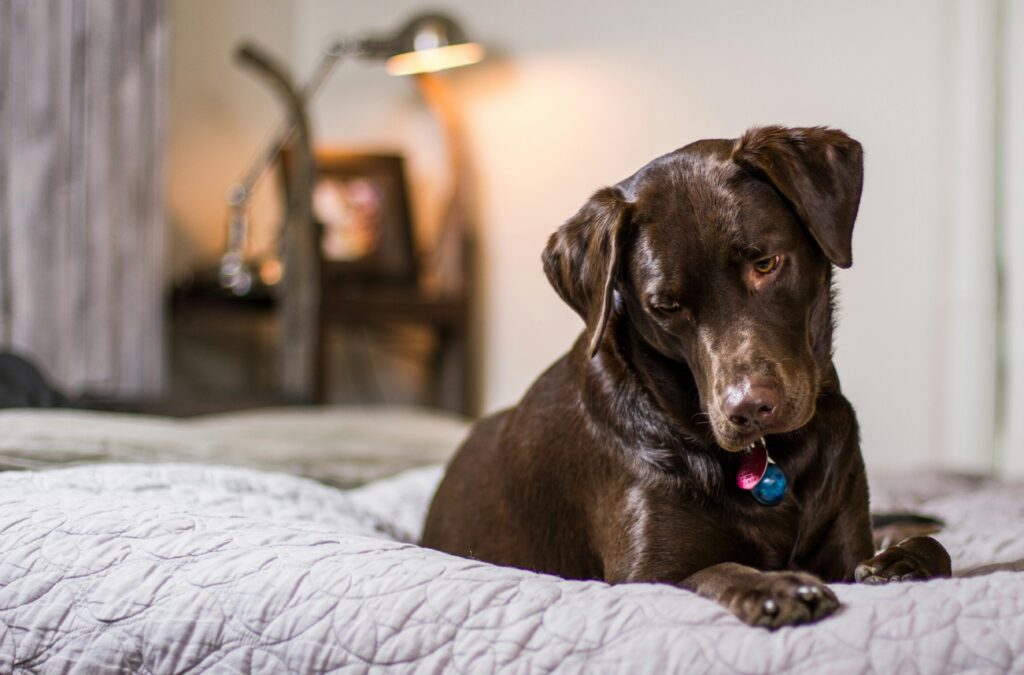
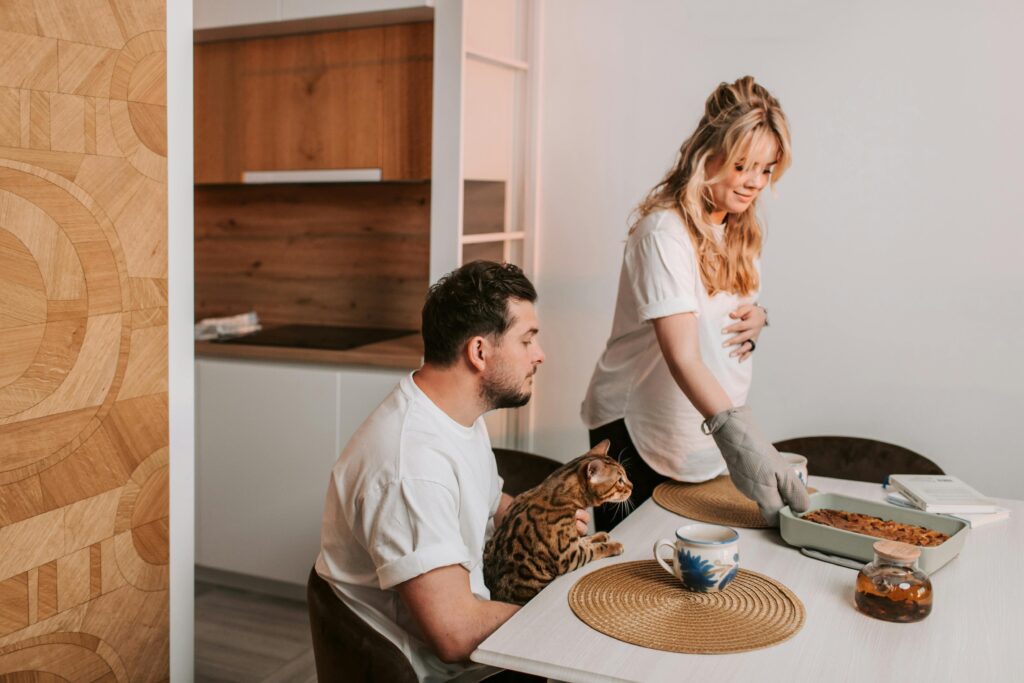
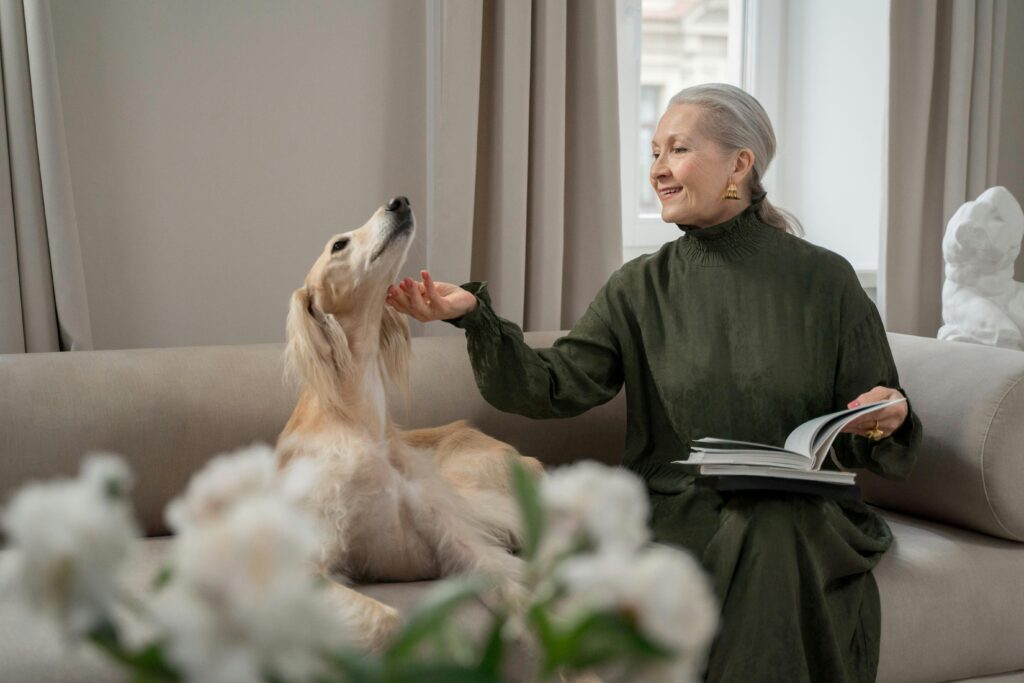
Caring for a sick pet at home can be both emotionally challenging and physically demanding, especially when your beloved companion is not feeling their best. While some illnesses require immediate veterinary attention, many minor conditions can be managed safely at home with proper care, close observation, and guidance from a veterinarian. Understanding how to provide comfort, administer basic care, and recognize warning signs is essential to supporting your pet’s recovery. With patience, attentiveness, and the right approach, pet owners can create a calm, healing environment that promotes comfort and helps their pet return to good health.
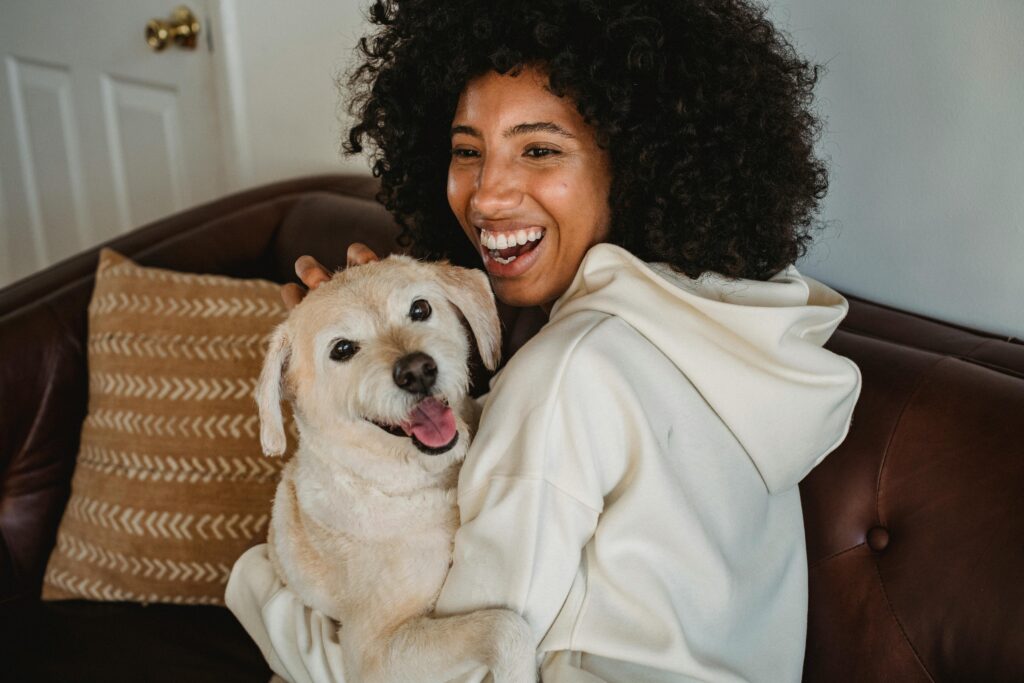
Understanding the Signs That Your Pet Is Sick
Recognising changes in behaviour
Alterations in behavior can be a significant indicator of pain, even if pets might not display it in the same way that humans do. A sick pet may act unhappy, sleep excessively, or hide from you. Note the frequency of their bowel movements, drinking, and peeing.
Noticing physical symptoms
Keep an eye out for physical signs like nausea, vomiting, diarrhoea, coughing, sneezing, or difficulty breathing. Additionally, they may experience a shift in their weight, watery eyes, or a runny nose. Keep an eye out for limping or other symptoms of discomfort whenever your pet moves.
Keeping an eye on energy and hunger levels
It is a bad sign if your pet will not eat for more than a day. If their energy level drops or they lose weight quickly, it could mean they are sick. Every day, write down any changes in your pet’s awareness and activity level.
Setting Up a Safe and Comfortable Recovery Space
Choosing a quiet and clean area
When your pet is ill, they need a peaceful place to sleep. Pick a room that is quiet and not near a lot of people or noise. Do not put anything in it, and keep it clean so they can move around safely.
Providing soft bedding and warmth
Soft bedding will help your pet stay cosy. Line their bed with blankets or towels. If your pet is sick or weak, make sure the room is warm. Do not use heaters right next to them.
Limiting interaction with other pets
Keep your sick pet away from other pets in the house. This keeps them from getting ill and lets them rest without being disturbed. Keep an eye on them and only let them touch you gently when they feel better.
Good hygiene prevents germs
Washing hands before and after contact
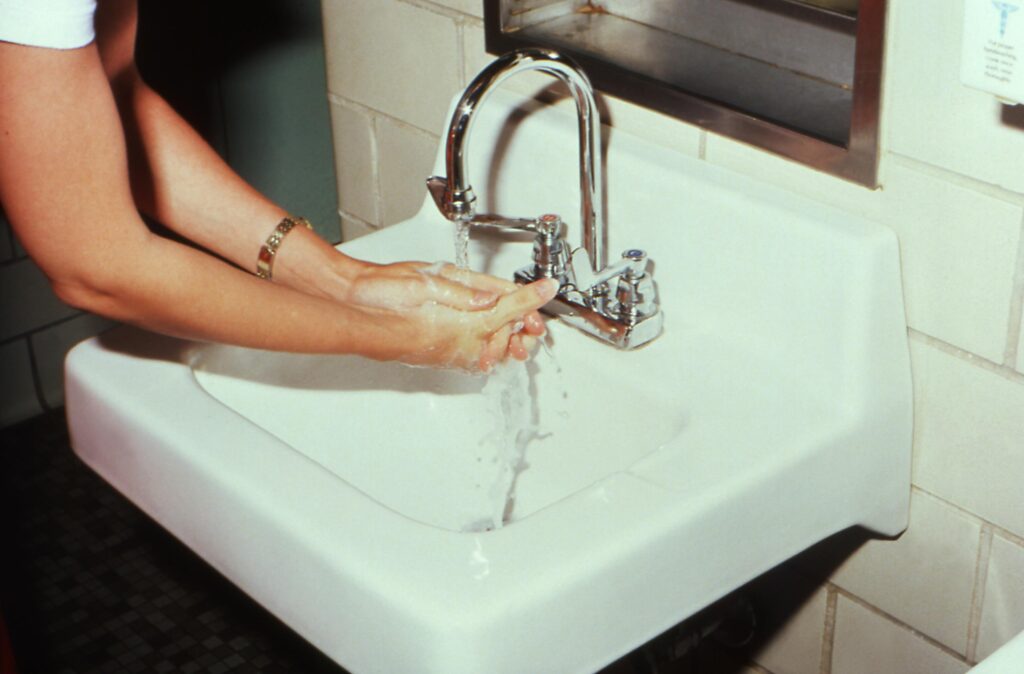
When you touch a sick pet, you should always wash your hands. This helps keep your family and pet safe from germs. Wash your hands with warm water and soap or hand spray.
Getting your pet’s blankets and food bowls clean
Every day, clean your pet’s beds, toys, and food and water bowls. Use cleaners that are safe for pets. Rinse everything well before giving it back to your pet to prevent injury.
Keeping the litter box or potty area clean
If your pet goes outside or uses a litter box, make sure the area is cleaned often. For dogs, clean up their waste right away. For cats, clean out the litter box twice a day and change the litter usually.
How to Feed Your Sick Pet While They are Sick
Presenting bland, easily digested meals
When your pet is sick, give them bland foods like plain boiled chicken and pumpkin for cats or cooked chicken and rice for dogs. Stay away from spices, fatty foods, and sweets. Before feeding your pet anything, consult your veterinarian.
Getting people to eat small amounts
Sick pets might not want to eat. Give them small meals several times a day. You can hand feed them gently or warm the food a bit to make it taste better.
Making sure they drink enough water
It is essential to have water. All day, give them clean, fresh water. If they are too weak to drink on their own, you can help them with a spoon or needle. They can also stay hydrated with wet food.
How to Give Medicine Correctly and Safely
Sticking to what the vet says
Always do what your vet tells you to do and at the right time. Even if your pet seems better, do not stop giving them the medicine too soon. This will make sure that the illness is fully treated.
Using the right tools for dosing
If you need to give medicine, use needles, droppers, or pill pockets. Do not force pills down your pet’s throat. If your pet will not take the medicine, talk to your vet about what to do.
Keeping an eye out for responses or side effects
Some drugs can make you feel bad in other ways, like throwing up, being tired, or having diarrhoea. If your pet has a bad reaction, call your vet right away. You should write down any changes you see and show them to the vet.
Monitoring Your Pet’s Progress and Recovery
Keeping a health journal
Every day, write down your pet’s symptoms, when they take their medicine, what they eat, and their level of energy. This makes it easier to keep track of healing and quickly find any new problems.
Watching for signs of getting better
Your pet is getting better if it starts eating normally again, has a better mood, and is more active. If you feel better over time, keep up with your care routine.
When to take your pet back to the vet
See the vet again if your pet gets worse or does not get better after a few days. Do not wait too long to get help for your pet, especially if it stops eating or shows new signs of illness.
Comforting Your Sick Pet with Gentle Care
Spending quiet time together
Spend time with your pet and show it love. Being with you can be very comfortable. It is best to keep noise and rough play away from them until they feel better.
Having a calm voice
Talk to your pet in a soft, comforting voice. This makes them feel safe and sound. To calm down, some pets like soft music or white noise.
Giving them toys or other things to do
Your pet can keep their mind busy with easy to use toys or puzzle meals. Pick toys that are simple to use and require minimal movement.
Supporting Emotional Health and Reducing Stress
Keeping a routine for meals and rest
Be consistent with when you eat, give medicine, and go to sleep. Pets feel safer when they know what to expect each day. Try to stay away from quick changes.
Keeping away from loud noises and interruptions
Noises or people coming over can stress out a sick pet. Do not make noise or disturb them in their place. Tell their family not to bother them while they are sleeping.
Using natural ways to calm down
Natural supplements, calming sprays, or pheromone diffusers can help some cats. Consult your veterinarian about safe methods to promote relaxation in your pet.
Understanding When to Seek Emergency Help
Recognising severe symptoms
Take your pet to the emergency vet right away if it is having trouble breathing, seizures, constant puking, bleeding, or can not stand up. These signs need medical help right away.
Knowing which animal emergency clinic is closest
Keep the phone number and address of the animal emergency centre closest to you on hand. Keep it on your phone and put it up somewhere you can see it at home.
Keeping calm in times of trouble
Stay calm and act quickly if something bad happens. Move your pet slowly into a cage or the car. Before you get there, call the emergency centre to make sure they are ready for you.
FAQs
How can I tell if my pet is sick?
Common signs of illness include changes in appetite, unusual lethargy, vomiting, diarrhea, coughing, sneezing, limping, or changes in behavior. If symptoms persist for more than 24 hours or worsen, consult a veterinarian.
When should I take my pet to the vet instead of caring for them at home?
You should seek veterinary care immediately if your pet has trouble breathing, persistent vomiting or diarrhea, seizures, severe pain, bleeding, or sudden behavior changes. Home care is only appropriate for mild illnesses or recovery after vet guidance.
What should I feed my sick pet?
Offer easily digestible foods such as plain boiled chicken and rice (for dogs, if vet-approved) and ensure access to fresh water. Avoid treats, table scraps, or new foods unless recommended by a veterinarian.
How can I keep my pet comfortable while they recover?
Provide a quiet, warm resting area away from noise and other pets. Keep their bedding clean, limit physical activity, and give them gentle reassurance without overwhelming them.
Can I give my pet human medications?
No. Many human medications are toxic to pets. Only give medications that are specifically prescribed or approved by a veterinarian for your pet.
How often should I monitor my pet’s condition?
Check your pet regularly for changes in behavior, appetite, bathroom habits, and energy levels. Keep notes of symptoms to share with your veterinarian if needed.
Conclusion
Caring for a sick pet at home requires patience, attentiveness, and compassion. By closely monitoring your pet’s symptoms, providing a quiet and comfortable environment, and following veterinary instructions carefully, you can support their recovery and help prevent complications. Proper nutrition, hydration, and medication management play a crucial role in healing, while maintaining hygiene ensures your pet remains clean and comfortable. However, it is equally important to recognize when professional care is needed. Prompt veterinary attention can make a significant difference in your pet’s health. With consistent care and timely support, you can help your pet feel safe, loved, and on the path to recovery.