Because birds’ breathing systems are sensitive and separate from those of other animals, respiratory health is important. Birds can breathe properly thanks to their lungs and airways, but dust, smoke, illnesses, and unfavorable living conditions can easily damage this system. Birds can display symptoms such as sneezing, coughing, nasal discharge, breathing noise, or trouble breathing when they have respiratory issues. These problems may advance and possibly turn dangerous if they are not addressed. It is much easier to prevent respiratory issues than to treat them. Bird owners may shield their birds against a variety of respiratory illnesses by giving them a clean environment, healthy meals, fresh air, and suitable care. Keeping birds active, happy, and long-living requires an understanding of how respiratory problems develop and how to prevent them.
Recognizing Common Bird Respiratory Issues
Respiratory problems are one of the most common health issues in pet birds. Early recognition is crucial because birds often hide illness until it becomes serious. Understanding the signs and causes can help bird owners act quickly and prevent complications.
Difficulty Breathing
One of the earliest signs of a respiratory issue is difficulty breathing. A healthy bird breathes quietly and smoothly. When a bird struggles to breathe, it may open its beak, breathe rapidly, or move its tail up and down with each breath.
Example:
If your parrot is sitting still with its beak open and chest moving heavily after minimal activity, this could indicate a respiratory infection or poor air quality.
Sneezing and Nasal Discharge
Occasional sneezing can be normal, but frequent sneezing combined with discharge from the nostrils is a warning sign. The discharge may be clear, cloudy, or thick, depending on the severity of the problem.
Example:
A budgie that sneezes several times a day and has wet feathers around its nostrils may be developing a bacterial or fungal respiratory infection.
Wheezing or Clicking Sounds
Healthy birds breathe silently. Any wheezing, clicking, or rattling sounds during breathing suggest blocked airways or fluid in the respiratory system.
Example:
If you hear faint clicking noises when your cockatiel breathes at night, it could be a sign of an early respiratory condition that needs veterinary attention.
Tail Bobbing While Breathing
Tail bobbing occurs when a bird’s tail moves up and down noticeably with each breath. This usually indicates that the bird is working harder than normal to breathe.
Example:
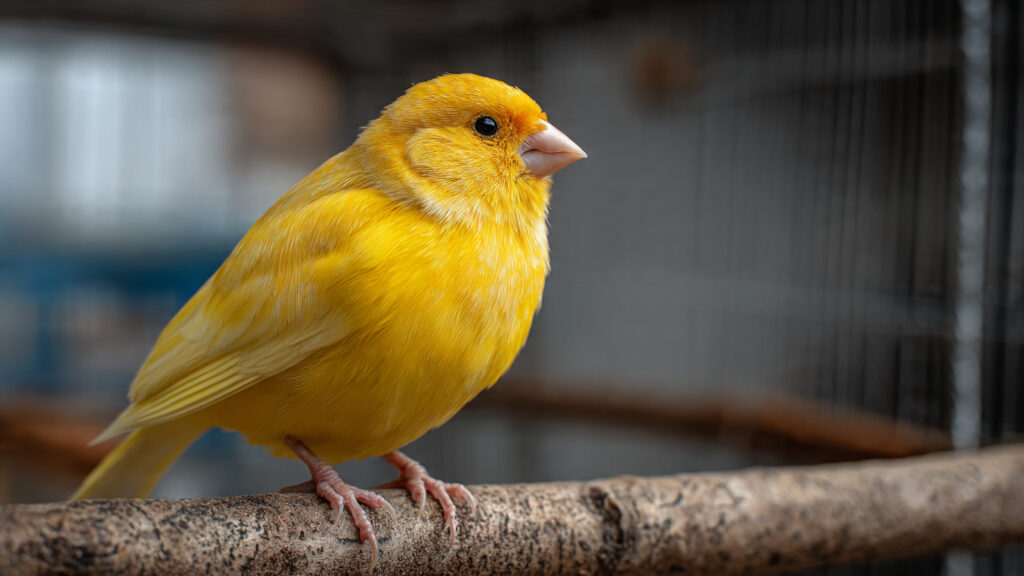
A canary showing tail bobbing while resting on its perch may be suffering from poor ventilation, airborne toxins, or an underlying lung issue.
Changes in Voice or Reduced Vocalization
Respiratory issues can affect a bird’s voice. Birds may sound hoarse, quieter than usual, or stop vocalizing altogether.
Example:
If your normally talkative African Grey suddenly becomes silent or produces raspy sounds, it may be experiencing inflammation in the respiratory tract.
Lethargy and Fluffed-Up Feathers
Birds with breathing problems often appear tired and inactive. They may sit with fluffed-up feathers to conserve body heat, which is a common sign of illness.
Example:
A lovebird that spends most of the day at the bottom of the cage with puffed feathers and little movement could be struggling with a respiratory infection.
Loss of Appetite and Weight Loss
Respiratory discomfort can make eating difficult. Birds may eat less, leading to noticeable weight loss over time.
Example:
If your finch avoids food and starts losing weight while also showing breathing difficulty, it’s a strong indicator of a serious respiratory issue.
Why Early Recognition Matters
Recognizing these symptoms early allows bird owners to improve cage hygiene, remove environmental triggers, and seek veterinary care before the condition worsens. Prompt action can prevent long-term damage and significantly increase a bird’s chances of recovery.
The Value of Fresh, Clean Air for birds respiratory health
Fresh, clean air is one of the most important factors in preventing respiratory issues in birds. Birds have highly sensitive respiratory systems, and even small amounts of polluted or stale air can cause serious health problems. Below are clear subheadings with practical explanations and real-life examples to help you understand why clean air matters so much.
Why Birds Are Extra Sensitive to Air Quality
Birds breathe differently from humans. Their lungs are connected to air sacs that allow oxygen to flow continuously through their bodies. This makes breathing very efficient—but it also means birds absorb airborne toxins much faster.
Example:
If a room has strong cooking smoke or chemical fumes, a bird may start breathing heavily or wheezing within minutes, while humans may barely notice the smell.
How Poor Air Quality Affects Birds’ Lungs
Dirty air can irritate a bird’s airways and lungs, leading to infections, inflammation, and long-term breathing problems. Common indoor pollutants include dust, mold spores, cigarette smoke, and aerosol sprays.
Example:
A bird kept in a dusty room may develop symptoms such as sneezing, nasal discharge, or tail bobbing (up-and-down tail movement while breathing), which are signs of respiratory distress.
Benefits of Fresh Air for Bird Health
Clean air helps birds breathe easily, keeps their lungs clear, and supports a strong immune system. Birds living in well-ventilated spaces are more active, vocal, and less likely to get sick.
Example:
Birds kept in rooms with regular airflow from open windows (without direct drafts) often show brighter feathers, higher energy levels, and better appetite compared to birds in closed, stale environments.
The Role of Ventilation in Preventing Respiratory Issues
Good ventilation removes stale air and replaces it with fresh oxygen. However, airflow should be gentle—strong drafts can stress birds and weaken their immune systems.
Example:
Using an air purifier or keeping windows slightly open during the day can improve air quality without exposing birds to cold winds or sudden temperature changes.
Avoiding Harmful Fumes and Chemicals
Many everyday household products release invisible fumes that are toxic to birds. These include non-stick cookware fumes, cleaning sprays, incense, perfumes, and scented candles.
Example:
Cooking with non-stick pans at high temperatures can release fumes that are deadly to birds. Keeping birds in a separate, well-ventilated room during cooking can prevent serious respiratory emergencies.
Creating a Bird-Safe, Fresh-Air Environment
Maintaining clean air requires regular cleaning and awareness of your bird’s surroundings. Removing waste, cleaning cages, and controlling humidity can greatly improve air quality.
Example:
Cleaning the bird’s cage daily and placing it away from kitchens and smoking areas helps reduce airborne bacteria and harmful particles.
Keeping Your Cage Hygienic
Maintaining a clean and hygienic cage is one of the most important steps in preventing respiratory issues in birds. Birds have very sensitive respiratory systems, and even small amounts of dust, mold, or bacteria in their environment can cause breathing problems. Below are clear subheadings with practical explanations and real-life examples.
Clean the Cage Daily
Daily cleaning helps remove droppings, food waste, and dust before they turn into harmful bacteria or airborne particles.

What to do:
- Remove leftover food and droppings every day
- Wipe perches and cage bars with a damp cloth
- Change cage liners or paper daily
Example:
If food scraps are left overnight, they can grow mold by morning. When your bird breathes in mold spores, it may start sneezing or wheezing.
Wash Food and Water Bowls Regularly
Dirty bowls are a common source of bacteria that can affect both digestion and breathing.
What to do:
- Wash bowls daily with warm water and mild soap
- Rinse thoroughly to remove soap residue
- Dry bowls completely before refilling
Example:
A water bowl with slimy buildup can release bacteria into the air when your bird drinks, increasing the risk of respiratory infections.
Replace Cage Liners Frequently
Cage liners absorb moisture and droppings, which can release ammonia fumes if not changed often.
What to do:
- Use newspaper or bird-safe liners
- Replace liners daily or every other day
- Avoid scented or dusty materials
Example:
Leaving a liner unchanged for several days can create strong odors that irritate your bird’s lungs and lead to labored breathing.
Deep Clean the Cage Weekly
A weekly deep clean removes hidden dirt and germs that daily cleaning may miss.
What to do:
- Remove your bird and accessories
- Wash the cage with warm water and bird-safe disinfectant
- Let the cage dry completely before placing your bird back
Example:
Dried droppings stuck to cage corners can release fine dust when disturbed, which your bird may inhale.
Keep the Cage Dry and Well-Ventilated
Moist environments encourage mold and fungal growth, both of which are dangerous to bird lungs.
What to do:
- Dry the cage thoroughly after cleaning
- Place the cage in a well-ventilated area
- Avoid damp or humid corners of the house
Example:
A cage kept near a bathroom or kitchen may stay damp, allowing mold to grow and increasing the risk of chronic respiratory problems.
Selecting the Right Cage Location
Choosing the correct place for your bird’s cage is one of the most important steps in preventing respiratory issues in birds. Birds have very sensitive lungs, and poor cage placement can expose them to harmful air, temperature changes, and stress. Below are clear subheadings with practical explanations and real-life examples.
Keep the Cage Away from Drafts
Cold air from windows, doors, air conditioners, or ceiling fans can irritate a bird’s respiratory system. Sudden drafts may lead to breathing problems, sneezing, or infections.
Example:
If your bird’s cage is placed near a frequently opened window, cold air can hit the bird directly. Moving the cage to an interior wall can help maintain a stable temperature.
Avoid Kitchens and Cooking Areas
Kitchen fumes are extremely dangerous for birds. Smoke, strong odors, and especially non-stick cookware fumes can cause severe respiratory distress.
Example:
A cage placed near the kitchen may expose your bird to cooking smoke or oil vapors. Instead, keep the cage in a separate, well-ventilated room away from cooking activities.
Choose a Well-Ventilated but Calm Area
Fresh air is essential, but the area should not be dusty or noisy. Proper airflow helps reduce bacteria, mold, and airborne irritants without stressing the bird.
Example:
A living room with good air circulation and regular cleaning is better than a dusty storage room or garage.
Maintain a Comfortable Temperature
Birds thrive in stable temperatures. Extreme heat or cold can weaken their immune system and affect breathing.
Example:
Placing the cage near a heater in winter or under direct sunlight in summer can cause breathing discomfort. A shaded, temperature-controlled area is ideal.
Keep the Cage Away from Chemicals and Strong Scents
Perfumes, air fresheners, cleaning sprays, and incense can irritate a bird’s lungs and trigger respiratory problems.
Example:
If you regularly use air fresheners in a bedroom, avoid placing the cage there. Choose a room where chemical use is minimal or controlled.
Position the Cage at Eye Level
Cages placed too low can expose birds to dust from the floor, while very high placements may cause stress.
Example:
Placing the cage on a stand at chest or eye level helps reduce dust exposure and makes the bird feel secure and comfortable.
Ensure a Stress-Free Environment
Constant noise or sudden movements can stress birds, weakening their immune system and increasing the risk of respiratory illness.
Example:
A cage placed near a television at high volume or near children’s play areas may stress the bird. A quiet corner with moderate activity is a healthier choice.
Providing a Nutritious and Balanced Diet
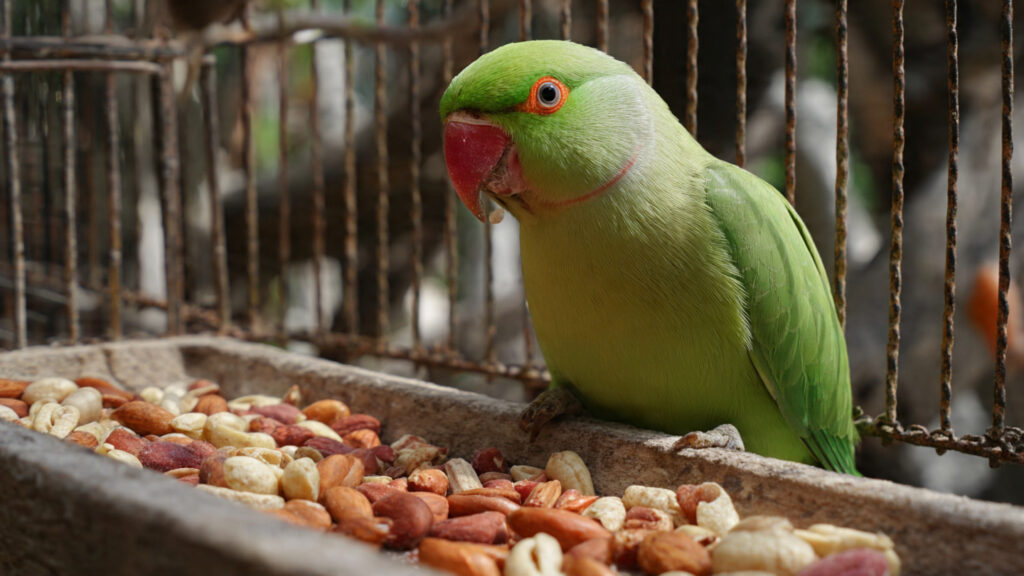
A healthy diet plays a major role in keeping a bird’s respiratory system strong. Poor nutrition can weaken the immune system, making birds more vulnerable to infections, breathing difficulties, and long-term respiratory problems. Below are clear subheadings with practical explanations and examples to help you include this point effectively in your article.
Why Diet Matters for Bird Respiratory Health
Birds rely on a strong immune system to fight off bacteria, viruses, and fungal infections that often affect the respiratory tract. A balanced diet provides essential vitamins, minerals, and antioxidants that support lung function and overall health.
Example:
A parrot fed only sunflower seeds may develop vitamin deficiencies, leading to weak immunity and frequent respiratory infections.
Include Fresh Fruits and Vegetables
Fresh fruits and vegetables are rich in vitamins A, C, and E, which are especially important for maintaining healthy respiratory tissues.
- Vitamin A supports the lining of the respiratory tract
- Vitamin C boosts immune defense
- Vitamin E acts as an antioxidant
Examples of good choices:
- Carrots, sweet potatoes, and pumpkin (high in vitamin A)
- Broccoli, spinach, and kale
- Apples, berries, and mango (in moderation)
Example:
Adding grated carrots and leafy greens to your bird’s daily meals can help keep airways moist and resistant to infections.
Offer High-Quality Pellets as a Staple
Pellets are specially formulated to provide balanced nutrition and should make up the main part of your bird’s diet. Unlike seed-only diets, pellets contain essential nutrients needed to maintain healthy lungs.
Example:
Replacing 50–70% of a cockatiel’s seed diet with high-quality pellets can significantly reduce the risk of nutritional deficiencies that lead to breathing issues.
Limit Seeds and Treats
Seeds are high in fat and low in many essential nutrients. Overfeeding seeds can weaken a bird’s immune system and increase the risk of respiratory illness.
Examples of treats to limit:
- Sunflower seeds
- Millet sprays
- Sugary or salty human foods
Example:
Using seeds only as training rewards instead of daily meals helps maintain a balanced diet and better respiratory health.
Consider Supplements When Needed
In some cases, birds may need supplements, especially if they are recovering from illness or have specific deficiencies. Always consult an avian veterinarian before adding supplements.
Example:
A vet may recommend a vitamin A supplement for a bird showing early signs of respiratory irritation and poor feather condition.
Avoid Foods That Can Harm Respiratory Health
Some foods can weaken immunity or are toxic to birds, indirectly increasing respiratory risks.
Foods to avoid:
- Avocado
- Chocolate
- Caffeine
- Processed or fried foods
Example:
Feeding table scraps regularly can stress a bird’s system, making it harder to fight respiratory infections.
The Value of a Clean Water Supply
Clean water is often overlooked, but it plays a vital role in maintaining a bird’s respiratory health. Birds rely on fresh water not only for drinking but also for keeping their airways clear and their immune system strong.
Clean Water Helps Prevent Bacterial and Fungal Infections
Dirty or stagnant water can quickly become a breeding ground for bacteria, mold, and fungi. When birds drink contaminated water, these harmful microorganisms can enter their body and weaken their immune system, making them more vulnerable to respiratory infections.
Example:
If a bird regularly drinks water from an unwashed bowl, bacteria may spread into its respiratory tract, leading to symptoms like sneezing, wheezing, or nasal discharge.
Fresh water supports strong immunity
A well-hydrated bird has a stronger immune system. Clean water helps flush toxins from the body and supports healthy organ function, allowing birds to fight off respiratory illnesses more effectively.
Example:
Birds with access to fresh, clean water daily are less likely to develop colds or breathing difficulties compared to birds drinking stale water.
Prevent mold and airborne contaminants
Old water can develop mold spores, which may become airborne when birds flap their wings or drink. Inhaling these spores can irritate the lungs and cause serious respiratory problems.
Example:
A water dish left unchanged for several days may grow invisible mold, increasing the risk of fungal respiratory infections such as aspergillosis.
Encourage proper breathing and comfort
Clean water helps maintain proper moisture levels in a bird’s body, which is essential for comfortable breathing. Dehydration can dry out airways, making breathing difficult and increasing irritation.
Example:
During hot weather, birds drinking clean, cool water breathe more comfortably and show fewer signs of respiratory stress.
Reduce exposure to harmful chemicals
Using unclean containers or water mixed with cleaning residues can expose birds to toxic chemicals that irritate their lungs.
Example:
Rinsing water bowls thoroughly after cleaning ensures no soap residue remains that could harm a bird’s sensitive respiratory system.
Best practices for maintaining clean water
- Change drinking water at least once daily
- Wash water bowls with warm water only (no harsh chemicals)
- Use clean, non-porous containers
- Place water away from food and droppings
Example:
Using a stainless steel or ceramic bowl and refilling it every morning significantly reduces the risk of respiratory infections.
Managing Symptoms and Dust
Respiratory problems in birds often start small but can become serious if ignored. Managing early symptoms and controlling dust in the bird’s environment are two of the most effective ways to protect your bird’s respiratory health.
Recognizing Early Respiratory Symptoms
Early detection makes a huge difference in preventing long-term respiratory issues.
Common symptoms to watch for include:
- Sneezing or coughing
- Nasal discharge or wet nostrils
- Open-mouth breathing
- Tail bobbing while breathing
- Wheezing or clicking sounds
- Lethargy or reduced activity
Example:
If your budgie starts sneezing frequently and you notice wet feathers around its nose, this could be an early sign of irritation caused by dust or poor air quality.
Why Dust Is Dangerous for Birds
Birds have very sensitive respiratory systems. Unlike humans, they cannot filter airborne particles effectively.
Common sources of dust include:
- Seed husks and dry bird food
- Feather dander
- Bedding materials like wood shavings
- Household dust, smoke, or powders
Example:
A parrot kept in a room with heavy curtains and carpets may inhale more dust, increasing the risk of respiratory irritation.
Reducing Dust in the Bird’s Environment
Keeping the living area clean and low-dust is essential.
Practical steps to reduce dust:
- Use low-dust bedding or cage liners
- Clean the cage daily and deep-clean weekly
- Vacuum nearby areas regularly
- Remove seed shells and food debris promptly
Example:
Switching from wood shavings to paper-based cage liners can significantly reduce airborne dust.
Improving Air Quality
Clean air helps birds breathe comfortably and prevents irritation.
Helpful air-quality tips:
- Ensure good ventilation without direct drafts
- Use a bird-safe air purifier
- Avoid smoking, incense, candles, or aerosols near birds
Example:
Placing a HEPA air purifier in the bird’s room can help remove fine dust particles and allergens.
Managing Symptoms Through Daily Care
If mild symptoms appear, supportive care can help while monitoring the bird closely.
Supportive care includes:
- Keeping the bird warm and stress-free
- Providing fresh, clean water daily
- Offering a balanced diet rich in vitamins
Example:
A cockatiel showing mild wheezing may improve when moved to a warm, clean, and dust-free room with proper humidity.
When to Consult an Avian Veterinarian
Some respiratory symptoms require professional treatment.
Seek veterinary help if:
- Symptoms worsen or last more than 24–48 hours
- The bird shows difficulty breathing
- There is thick nasal discharge or loss of appetite
Example:
If your bird continues open-mouth breathing despite improved air quality, immediate veterinary attention is necessary.
Preventing Sudden Temperature Changes
Birds are highly responsive to variations in temperature. Respiratory infections and immune system weakness can result from unexpected contact to hot or cold air. It is important to maintain a steady and pleasant temperature for birds. In cold weather, keep cages away from heaters, air conditioners, and open windows. Birds should be kept warm but not overheated during the winter. Make sure there are enough airflow and no direct drafts through the heat. Birds are more dependent on sickness due to stress caused by rapid changes in temperature. Birds can adjust more easily and maintain a healthy respiratory system when the temperature is kept constant.
FAQs
What causes respiratory problems in birds?
Respiratory issues in birds are commonly caused by poor air quality, dust, mold, smoke, strong odors, infections, and improper cage hygiene.
What are the early signs of respiratory issues in birds?
Early signs include sneezing, nasal discharge, open-mouth breathing, tail bobbing, wheezing sounds, and reduced activity levels.
How does dust affect a bird’s respiratory system?
Dust irritates a bird’s sensitive airways and lungs, making it difficult to breathe and increasing the risk of infections or chronic respiratory problems.
How can I reduce dust in my bird’s cage?
You can reduce dust by using low-dust cage liners, cleaning food debris daily, removing seed husks promptly, and avoiding dusty bedding materials.
Is air circulation important for bird health?
Yes, proper air circulation helps remove airborne particles and prevents stale air, which can irritate a bird’s respiratory system.
Conclusion
It takes care, attention, and a healthy environment to prevent respiratory problems in birds. Maintaining respiratory health requires regular checks, stress management, healthy nutrition, clean air, and good hygiene. For a clean and safe environment, birds depend entirely on their owners. Small everyday efforts can have a significant impact on their well-being. Bird owners can make sure their birds have long, active, and comfortable lives by being aware of the causes of respiratory issues and taking measures to avoid them. A bird that breathes well will be healthy, and treatment is always better than no treatment.