Dogs that suffer from separation anxiety often show destructive behavior, excessive barking, and mental distress when left alone. When their owner is ready to leave the home dogs with separation anxiety often becomes anxious, which can have an impact on both their wellbeing and the atmosphere in the home. For your dog to feel safe and secure when left alone, it is essential to recognize and treat this issue as soon as possible. One important factor in minimizing separation anxiety is training. Dogs can learn to connect time spent alone with security and comfort rather than anxiety or tension through gradual desensitization, positive reinforcement, and regular routines. In addition to improving your dog’s behavior, good training strengthens your relationship with your pet and creates a peaceful and joyful atmosphere for both of you. In this article, we will explore practical training strategies and techniques to help manage and reduce separation anxiety in dogs, ensuring they feel secure, relaxed, and confident even when you are away.
Understanding Separation Anxiety in Dogs
Separation anxiety is more dangerous than our imagination, just imagine how you feel when left alone. Understanding what separation anxiety is, why it occurs, and how it appears in dogs is important for reducing it through training. Instead of using punishment, this problems requires owners to respond with tolerance and efficient training techniques.
What Is Separation Anxiety in Dogs?
When a dog feels extremely upset after being away from their owner, dog may show separation anxiety, that is a stress-related behavior. Dogs are social creatures, and when they develop close bonds, often or sudden separation can cause anxiety and distress.
Key Point:
A dog experiencing separation anxiety is responding to fear rather than being stubborn or disobedient.
Example:
Even if a dog spends the entire day with family, they may start barking, scratching doors, or damaging furniture as soon as they are left alone.
Why Do Dogs Develop Separation Anxiety?
Changes in routine or emotional insecurity are typically the causes of separation anxiety.
Common Causes of Separation Anxiety
- Sudden life changes (new home, new job schedule, or school routine).
- It happens because of loss of a family member or another pet.
- It often happen because of lack of early independence training.
- It may happen because of past trauma.
- It may happen because of over-attachment to one person.
Example:
When left alone, a rescued dog that got from a shelter may get anxious because it will link separation with rejection.
How Separation Anxiety Affects Dogs
Separation anxiety can negatively impact dog’s emotional and physical health.
Emotional Effects
- Dog can get fear and panic.
- Dog can get restlessness.
- It results in loss of confidence.
Physical Effects
- It may show excessive drooling.
- It may show pacing or shaking.
- Dog can injured himself from scratching or chewing
Over time, untreated anxiety can worsen and lead to long-term behavioral issues.
Common Signs of Separation Anxiety
Recognizing the signs early helps prevent escalation.
Behavioral Signs
- Dog can show continuous barking when left alone.
- Dog can show chewing furniture, doors, or shoes.
- Dog can show digging at doors or windows.
- Dog can attempts to escape.
Bathroom-Related Signs
Dog will not use bathroom instead will do at indoors.
Example:
It is a clear sign of separation anxiety if your dog only destroys things when you are away and acts normally when you are at home.
Separation Anxiety vs. Normal Behavior
It is important to differentiate separation anxiety from boredom or lack of training.
| Normal Behavior | Separation Anxiety |
|---|---|
| Sometimes chewing | Destructive behavior only when alone |
| A little complaining | Intense panic and vocalization |
| Plays calmly | Pacing, drooling, trembling |
Why Understanding Separation Anxiety Matters for Training
Training without understanding anxiety can worsen the problem.
- Stress and anxiety are increased by punishment.
- Improvement takes longer when the root of the problem is ignored.
- Compassionate training results from a correct understanding.
Example:
Although regular separation anxiety training encourages confidence, discipline while a dog for chewing on a door may show anxiety on this.
Why Training Is Essential in Reducing Separation Anxiety in Dogs
In order to assist dogs get over their separation anxiety, training is essential. In addition to correcting behavior, it makes your dog feel secure, self-assured, and emotionally stable when left on their own. Anxiety-related behaviors often intensify over time in the absence of appropriate training.
Training Helps Dogs Understand That Being Alone Is Safe
Dogs with separation anxiety often believe that being alone is dangerous or permanent. Training gradually changes this belief.
How Training Works
- Training dogs that their owners always return after going.
- Creates trust through repeated good experiences.
- Replace fear of dog with such trust that going of owner is normal.
Example:
A dog gradually learns that being alone does not relate to permanent separation when it is trained by using short exits.
Training Builds Emotional Confidence and Independence
Anxiety is more likely to develop in dogs who depend too much on human presence. Training can help in emotional independence.
Key Benefits
- This help in reducing abnormal behavior
- It also helps in encouraging calm and self-soothing behavior.
- It helps dogs to relax without constant attention to the owner.
Example:
Teaching a dog to rest while the owner moves around the house or go somewhere helps the dog feel comfortable without always following their owner.
Training Prevents Anxiety from Becoming a Long-Term Problem
Separation anxiety in dogs is more dangerous that’s why dogs should be trained enough to prevent a long term problem.
Why Early Training Matters
- Early training helps in preventing destructive behaviors.
- It helps in reducing stress related health issues.
- It helps in avoiding panic responses to the situation.
Example:
A dog was trained he was less likely to show abnormal behavior when owner left.
Training Replaces Negative Reactions with Positive Behaviors
Training helps the dog to show calm behavior when left alone rather than showing destructive behavior.
Positive Reinforcement Techniques
- Whenever your dog show calming behavior appraise him in positive way.
- When you left your dog alone and see he remained calm even he was alone give him something as reward.
- Give him toys for independent play.
Example:
Giving a puzzle to dog before leaving helps the dog associate alone time with something enjoyable rather than stressful.
Training Creates Predictable Routines That Reduce Stress
Dogs feel secure when their environment is predictable meaning he become used too of if owner went he will be back soon. Training helps in building consistency.
How Routine Helps
- Training reduces uncertainty and fear.
- Training helps dogs face what comes either being alone.
- Training creates a sense of control.
Example:
A daily routine of exercise, calm behavior on exits, and rewarding relaxed behavior helps the dog remain emotionally stable.
Training Improves the Dog–Owner Relationship
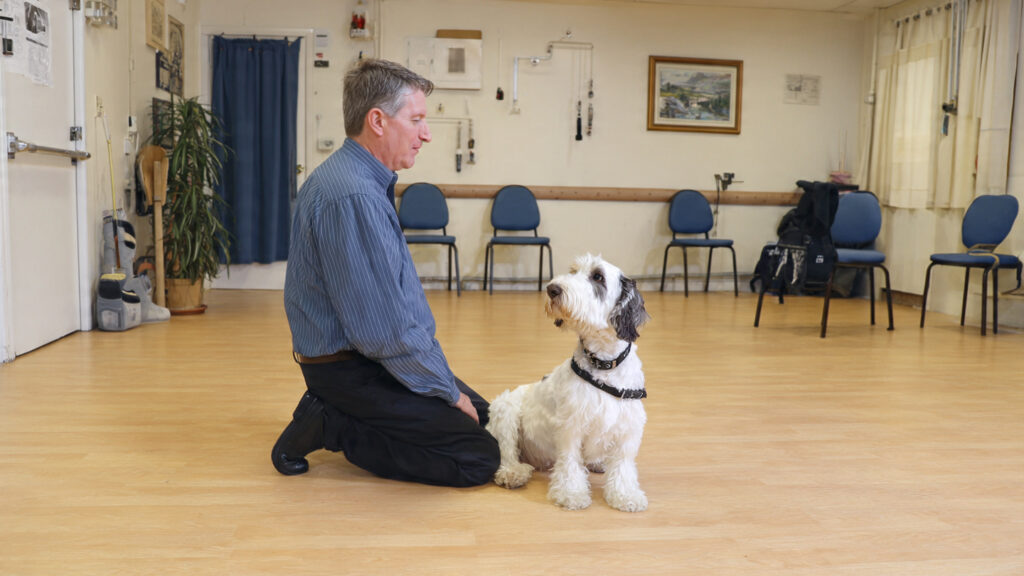
Training helps in strengthening trust and communication between dogs and owners. So it helps in good relationship between owner and dog.
Long-Term Relationship Benefits
- It promotes building mutual understanding.
- It reduces frustration for owners and reduces aggressive behavior.
- It encourages calm interactions between owner and dog.
Example:
A dog that developed trust on its owner through training is less likely to be panic when separated because he is trained enough to know that owner will be back.
Step-by-Step Training Techniques to Reduce Separation Anxiety in Dogs
1. Start with Short Absences
One of the most effective and best training methods for reducing separation anxiety in dogs is starting with short absences. This training technique helps your dog gradually learn that being alone is safe and temporary.
Why Short Absences Matter
Dogs with separation anxiety always fear that their owner will not return. So leaving for long periods too soon means after fee days of training can increase panic and undo training progress. Short absences help your dog:
- It helps in building confidence when left alone.
- Dog becomes aware that after some times owner will be back.
- Dogs remain calm even after owner leave.
- Dog builds trust that owner will always come back.
How Short Absence Training Works
In this step of training dog is trained enough to be aware of owners short absence and after sometime he will be back.
- Make your dog used too of your absence for few minutes.
- Come back before your dog feel it and becomes anxious.
- Increase this duration slowly. By this your dog will learn slowly.
How to Begin Short Absence Training
Step 1: Leave the Room Briefly
Start by leaving the room for 10–30 seconds.
- First of all do not make eye contact wth dog.
- You do not need to say goodbye.
- Come back peacefully. If your dog remains relaxed, reward him with something delightful..
Step 2: Increase Time Gradually
Once your dog stays calm for short periods, slowly increase the time.
- 1 minute to 2 minutes
- 3 minutes to 5 minutes
- 5 minutes to 10 minutes. You can move to the next stage only when you see your dog stays peaceful at the current level.
Step 3: Practice Daily
Practicing all above steps is very important.
- You need to practice several times a day.
- You need to keep training sessions short and positive.
- You need to end sessions on a calm note.
Example 1: Leaving the Room
You step into another room for 1 minute and return quietly. If your dog remains relaxed you need to gift him something positive.
Example 2: Stepping Outside
You step outside your home for two minutes, return peacefully, and do not make eye contact even your dog sit peacefully.
Example 3: Increasing Distance
You leave the house for five to ten minutes to check the plants in garden. Your dog remains calm by showing progress through window.
Common Mistakes to Avoid
- In the start leaving for long time.
- Making eye contact when leaving.
- Returning when you see your dog anxious.
- Leaving the training process.
2. Practice Desensitization to Departure Cues
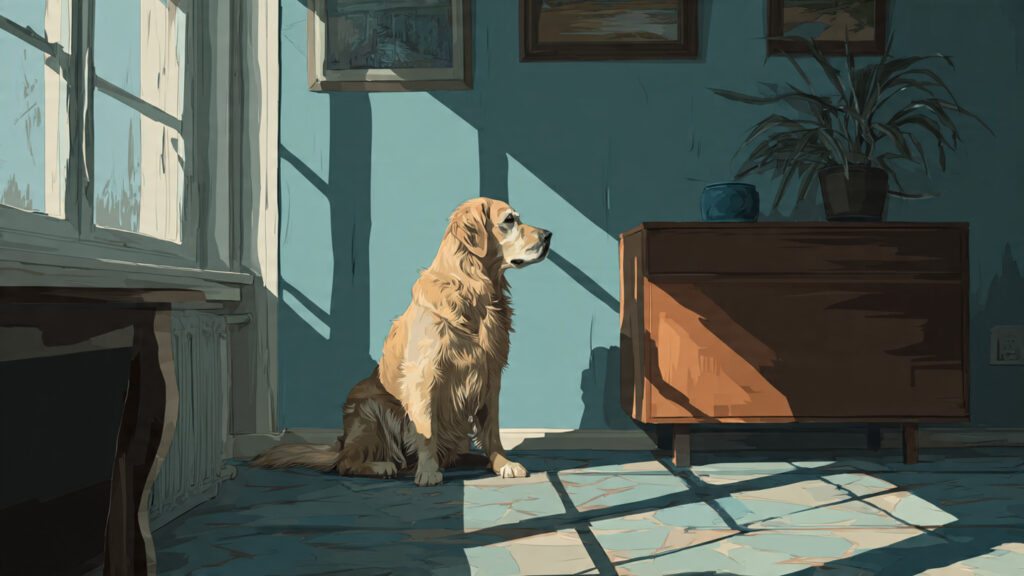
Desensitizing dogs to leaving signals is one of the best training techniques for reducing dogs separation anxiety. Many dogs experience stress before their owner even leaves the house; they do not just get anxious after their person leaves. This method of training helps in breaking the cycle.
What Are Departure Cues?
Departure cues are everyday actions that tells your dog that you are about to leave.
Common Departure Cues Include:
- Picking up keys
- Putting on shoes or a jacket
- Grabbing a bag or purse
- Turning off lights
- Locking the door
Why Desensitization Works
Your dog may overcome the fear associated with those signals with the use of desensitization training. Your dog learns that these behaviors do not always means that you are leaving, so they do not panic when they see them.
This training method can:
- Reduces anxiety.
- Keeps stress levels low.
- Helps your dog stay calm before you leave.
Step-by-Step Guide to Desensitization Training
Step 1: Identify Your Dog’s Triggers
Observe which actions cause anxiety.
Step 2: Practice the Cue Without Leaving. Perform the departure cue but do not leave the house.
Examples:
- Pick up your keys and sit on the sofa
- Put on your shoes and start watching TV
- Grab your bag and walk into another room
Step 3: Reward Calm Behavior
When your dog stays relaxed during these cues appraise him something delightful.
Rewards may include:
- Small treats
- Calm verbal praise
- Gentle petting
- Going on walk
- Gift something delicious
Step 4: Combine Multiple Cues
Once your dog stays calm with single cue add different other cues in your training.
Example:
Put on your shoes, pick up your keys, then sit down instead of leaving. This further weakens the connection between cues and anxiety.
Step 5: Slowly Add Short Departures
After your dog stops reacting to cues, begin very small exits.
Example:
Pick up keys, step outside for 1 minute and return peacefully. Gradually increase the duration as your dog becomes used too of.
Common Mistakes to Avoid
1. Moving Too Fast
Speeding the process can cause setbacks. Progress slowly and repeat steps as needed.
2. Ignoring Stress Signals
If your dog shows signs like anxiety it is better to go back.
3. Inconsistent Training
All family members should follow the same training routine for best results.
Example
A dog that panics at the sound of keys can be trained by picking up keys multiple times a day without leaving. After a few days, the sound no longer causes stress. Eventually, the dog remains calm even when the owner actually leaves.
4. Create a Safe and Comfortable Space
One of the most important aspects of teaching a dog with separation anxiety is to establish an environment that is both secure and comfortable. When owner is not there, this area turns into your dog’s mental safe haven, a place where they feel calm, comfortable, and protected. When handled properly, it lessens fear and stops behaviors associated with anxiety.
Why a Safe Environment Helps Reduce Separation Anxiety
Dogs with separation anxiety often feel anxious when they are left alone. Safe environment provides:
- It provides emotional comfort when owner is at home or not.
- It reduces external stressors like noise, movement, and fear of loneliness..
- It helps your dog settle with enironment more quickly.
- It encourages calm and independent behavior. So dog feel safe at this environment.
Choosing the Right Location
Select a Quiet and Familiar Area
Choose a place of the house where your dog already feels comfortable and understand the area.
Best options include:
- A quiet room in the house is the best option.
- A corner of the living room is also a comfortable option.
Avoid:
- Stay away from high-traffic areas in the home.
- Keep away loud appliances.
- Stay away from completely isolated or dark rooms.
Example:
If your dog is comfortable in the living room do not bring him to dark rooms.
Making the Space Comfortable
Add Familiar Scents and Bedding
Dogs feel secure when he feels scents that he is already familiar. It gives them secure vibe.
- It can be your dog’s regular bed or blanket.
- It can be your old T-shirt.
Example:
Leaving a worn T-shirt in your dog’s bed can help them feel calm when you’re away.
Providing Safe and Engaging Items
Giving your dog something positive and mentally engaging to focus on can reduce anxious thoughts.
Helpful items include:
- Chew toys
- Puzzle toys
- Soft toys
Example:
An owner was leaving the home for work so he gave puzzle to dog. As a result dog remained busy and happy.
Crate Training
If your dog has a positive opinion of the crate, it might be a great place for them to feel safe. In this way teaching them will be very easy.
Important guidelines:
- Always be positive. Same in crate training never force your dog to enter crate.
- When you are teaching your dog keep the door of crate open during training.
- Use positive methods and appraise your dog when he do follow training.
Example:
A dog was rescued and separation anxiety was at top. After crate training he peacefully started living in crate.
Maintaining a Calm Environment
External noises and unfamiliar movements can increase anxiety. So maintaining a calm environment can make the dog feel comfortable.
Simple steps:
- Use familiar perfumes and close the curtains.
- You can use slow and soft background music.
- You can choose well lighted area.
Example:
A dog may feel comfortable in a well lighted and soft music area.
Build Positive Associations Over Time
When your dog enjoys the positive environment it will automatically increases your dog’s positive association.
Training approach:
- This will encourage your dog to enter the space without anxiety.
- Reward your dog’s positive behavior for repetition of behavior.
Common Mistakes to Avoid
- Using the same environment for punishment.
- Changing the setup too often.
- Forcing your dog to stay inside for long period of time.
- Leaving anxious dogs alone.
FAQs
What is separation anxiety in dogs?
Separation anxiety is a condition where dogs become stressful, fearful, or anxious when left alone or separated from their owners.
What causes separation anxiety in dogs?
It can be caused by sudden changes such as moving to a new home, changes in routine, loss of a family member, lack of early independence training, or previous trauma.
Can training really reduce separation anxiety in dogs?
Yes, training in described way is one of the most effective ways to reduce separation anxiety.
How long does it take to see improvement through training?
It depends on the dog temparament, breed and age.
Should I punish my dog for anxiety-related behavior?
No, punishment can increase fear and anxiety.
Can exercise help reduce separation anxiety?
Yes, regular physical exercise and mental stimulation can reduce anxiety.
When should I seek professional help?
If your dog shows severe anxiety, self-injury, or no improvement despite consistent training, consult a professional dog trainer.
Conclusion
It requires patience, consistency, and a complete understanding of your dog’s emotional needs to reduce separation anxiety in dogs through training. You can help your dog replace anxiety and worry with calm, independent behavior by slowly educating them to feel secure and self-assured when left alone. Long-term progress is mostly dependent on disciplined routines, positive reinforcement, and progressive desensitization. It is important to keep in mind that separation anxiety takes time to go away. Setbacks can happen, but progress often occurs in tiny steps. However, most dogs may learn to handle over time more effectively with consistent training, mental stimulation, and a comfortable environment. Professional trainers can offer further advice in critical circumstances to make sure your dog gets the proper support.