Selecting the ideal race and type for your lifestyle is important before bringing a dog home. While some dogs are peaceful and relaxed, others require a lot of exercise. Compared to older dogs, puppies need more care. When making a decision, take your family, work schedule, and living space into account. Adopting from a respectable farmer or animal shelter is important. A healthy dog has clean eyes, a glossy coat, and a lot of energy. Analyze the personality, health concerns, and grooming needs of the species. You and your dog will have a happy life if you choose the proper dog.
Preparing Your Home
Bringing a dog home for the first time is exciting, but your home needs to be ready before your dog arrives. A well-prepared home helps your dog feel safe, comfortable, and stress-free from day one.
Create a Safe and Comfortable Space
Every dog needs a quiet area where they can relax and feel secure.
What to do:
- Choose a calm corner of your home, away from loud noises.
- Place a soft dog bed or blanket there.
- Keep this space consistent so your dog knows where to rest.
Example:
If you live in an apartment, set up a cozy corner in the living room with a bed and a favorite toy. This becomes your dog’s “safe zone.”
Remove Potential Hazards
Dogs, especially puppies, are curious and love to chew and explore.
What to do:
- Keep electrical wires, small objects, and sharp items out of reach.
- Store cleaning products and medicines in closed cabinets.
- Remove toxic plants such as lilies or aloe vera.
Example:
A puppy may chew loose charging cables. Tying cables together or using cable protectors can prevent accidents.
Set Up Food and Water Areas
Your dog should know where to eat and drink.
What to do:
- Use sturdy bowls that won’t easily tip over.
- Place bowls in a quiet but accessible area.
- Keep fresh water available at all times.
Example:
Placing food bowls in the kitchen corner helps your dog learn a routine and keeps feeding time organized.
Prepare Essential Dog Supplies
Having the right supplies ready makes caring for your dog much easier.
What to prepare:
- Dog food recommended for your dog’s age and size
- Collar, leash, and ID tag
- Food and water bowls
- Toys for chewing and playing
- Grooming items like a brush
Example:
If you bring home a puppy, soft chew toys can help soothe teething and prevent damage to furniture.
Make Your Home Dog-Friendly
Small changes can make your home more comfortable for your dog.
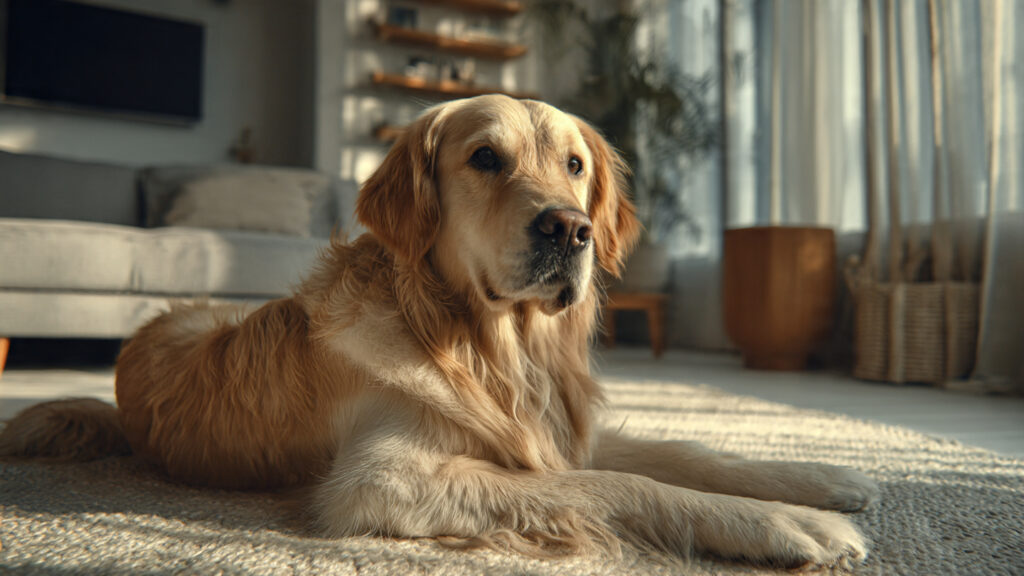
What to do:
- Use baby gates to block off restricted areas.
- Cover sofas or carpets if needed.
- Secure trash bins with lids.
Example:
Using a baby gate to block stairs helps prevent injuries, especially for small or young dogs.
Prepare Family Members in Advance
Everyone in the home should understand how to interact with the new dog.
What to do:
- Teach children to be gentle and respectful.
- Set clear rules about feeding, playing, and resting times.
- Assign responsibilities like walking or feeding.
Example:
Explaining to kids not to disturb the dog while sleeping helps build trust and prevents stress.
Feeding Your Dog
Feeding your dog properly is one of the most important parts of taking care of them. A balanced diet keeps your dog healthy, energetic, and happy. Here’s how to approach feeding your dog for the first time.
Choose the Right Type of Food
Dogs can eat dry food (kibble), wet food (canned), or a combination of both.
- Dry Food (Kibble): Easy to store and helps clean teeth.
Example: For a small breed puppy, feed high-quality puppy kibble like Royal Canin or Hill’s Science Diet. - Wet Food: More flavorful and easier to eat, especially for older dogs or picky eaters.
Example: Mix wet food with kibble to encourage your dog to eat. - Homemade Food: Can be healthy if prepared correctly, including lean meat, rice, and vegetables.
Example: Boiled chicken with carrots and rice can be served occasionally.
Follow the right feeding schedule
Dogs thrive on routine. Feeding them at the same times every day helps with digestion and training.
- Puppies: Need 3–4 meals per day.
Example: 8 AM, 12 PM, 5 PM, and 8 PM. - Adult Dogs: Usually 2 meals per day are enough.
Example: Morning at 8 AM and evening at 6 PM.
Portion Control
Overfeeding can lead to obesity, while underfeeding can cause malnutrition. Check the recommended portion on the dog food label and adjust based on your dog’s weight and activity level.
Example: A medium-sized adult dog (20 kg) may need around 2–3 cups of kibble per day, split into two meals.
Provide fresh water always
Dogs need clean water at all times. Dehydration can lead to serious health problems.
Example: Change the water in their bowl at least twice a day and wash the bowl regularly to prevent bacteria.
Avoid harmful foods
Some human foods can be toxic to dogs, including chocolate, grapes, onions, garlic, and caffeinated drinks.
Example: Don’t give your dog leftover chocolate cake; instead, offer dog-safe treats like small pieces of apple or carrot.
Monitor your dogs eating habit
Watch how your dog eats. Loss of appetite, vomiting, or diarrhea may indicate health issues.
Example: If your dog refuses food for more than a day, consult a veterinarian immediately.
Understanding Your Dog’s Behavior
Getting to know your dog’s behavior is essential for building a strong bond and providing the best care. Dogs communicate primarily through body language, vocalizations, and actions. Understanding these signals can prevent misunderstandings and help you respond appropriately.
Body Language
A dog’s body language tells you a lot about their mood and feelings.
- Tail Position: A wagging tail usually indicates happiness, but if it’s held high and stiff, it may show alertness or aggression.
- Example: If your dog’s tail is wagging slowly while keeping their body tense, they might be anxious rather than playful.
- Ears: Ears that are up and forward show curiosity or attentiveness, while flattened ears can indicate fear or submission.
- Example: When meeting a new person, a dog with ears pinned back may feel nervous and need space.
- Posture: A relaxed dog will have a loose body and soft eyes, whereas a dog that is crouching or showing teeth may feel threatened.
- Example: If your puppy crouches and tucks their tail during play, it’s best to approach them gently.
Vocalizations
Dogs use barks, growls, whines, and howls to communicate different needs or emotions.
- Barking: Short, sharp barks may indicate excitement or alertness, while continuous barking can signal stress or boredom.
- Whining: Usually a sign of discomfort, anxiety, or a desire for attention.
- Example: Your dog may whine when left alone in a new home, showing separation anxiety.
Social Behavior
Dogs are social animals and learn a lot from interactions with humans and other pets.
- Playfulness: Puppies often use playful nips and pawing to interact. This is normal but should be guided.
- Example: Teaching your dog “gentle” during play prevents accidental bites.
- Submission and Dominance: Dogs may show submission by rolling on their back, exposing their belly, or lowering their head. Dominant behavior can include standing tall or putting a paw on you.
- Example: When a new dog rolls over for belly rubs, they’re showing trust and submission.
Signs of stress or anxiety
Recognizing stress in dogs helps prevent behavioral problems.
- Symptoms: Pacing, excessive panting, drooling, hiding, or destructive behavior.
- Example: A dog left alone for the first time may chew furniture due to anxiety. Providing toys or a cozy crate can help.
Positive reinforcement and observation
Observing your dog daily helps you understand their habits, likes, and dislikes. Using positive reinforcement encourages good behavior.
Example: Rewarding your dog with treats for sitting calmly teaches them acceptable behavior and strengthens your bond.
Regular Exercise
Exercise is essential for your dog’s physical and mental well-being. A lack of activity can lead to obesity, behavioral problems, and health issues. Here’s how to ensure your dog stays active:
Daily Walks
Regular walks provide physical activity, mental stimulation, and socialization opportunities.
Example: Take your dog for a 30-minute walk every morning. For puppies, shorter walks multiple times a day work better.
Playtime
Letting your dog run, fetch, or play with toys keeps them fit and prevents boredom.
Example: Play fetch with a ball or frisbee in a secure backyard for 15–20 minutes each day.
Interactive Games
Mental exercise is as important as physical activity. Puzzle toys or hide-and-seek games challenge your dog’s mind.
Example: Hide treats around the house and encourage your dog to find them. This sharpens their scent-tracking skills and keeps them engaged.
Training as Exercise
Training sessions not only teach obedience but also provide mental stimulation and movement.
Example: Practice sit, stay, or agility exercises for 10–15 minutes daily. Your dog will burn energy and learn good behavior at the same time.
Social exercise and other dogs
Playing with other dogs improves social skills and provides extra exercise.
Example: Arrange playdates with friendly dogs at a local dog park once or twice a week.
Tip: Always tailor exercise routines to your dog’s age, breed, and health. Puppies, older dogs, and breeds with lower stamina may need gentler activity.
Grooming Your Dog
Proper grooming is essential for keeping your dog healthy, comfortable, and happy. Grooming goes beyond just making your dog look good it helps prevent health issues and strengthens your bond.
Brushing Your Dog’s Coat
Regular brushing helps remove dirt, loose hair, and prevents matting. The type of brush you use depends on your dog’s coat.
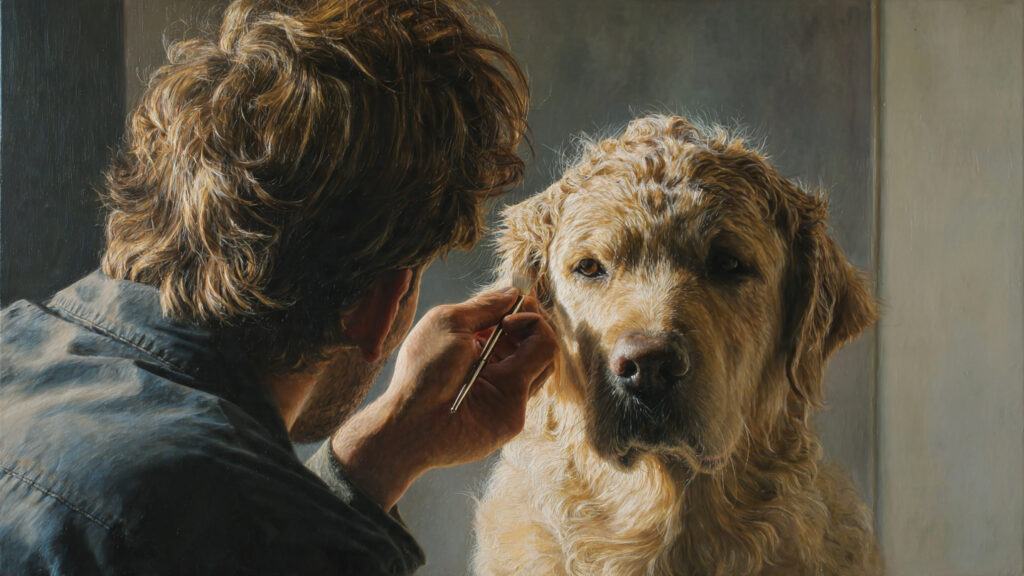
Example:
- Long-haired breeds like Golden Retrievers need daily brushing to prevent tangles.
- Short-haired breeds like Beagles only need brushing once or twice a week.
Brushing also stimulates blood circulation and spreads natural oils, keeping the coat shiny and healthy.
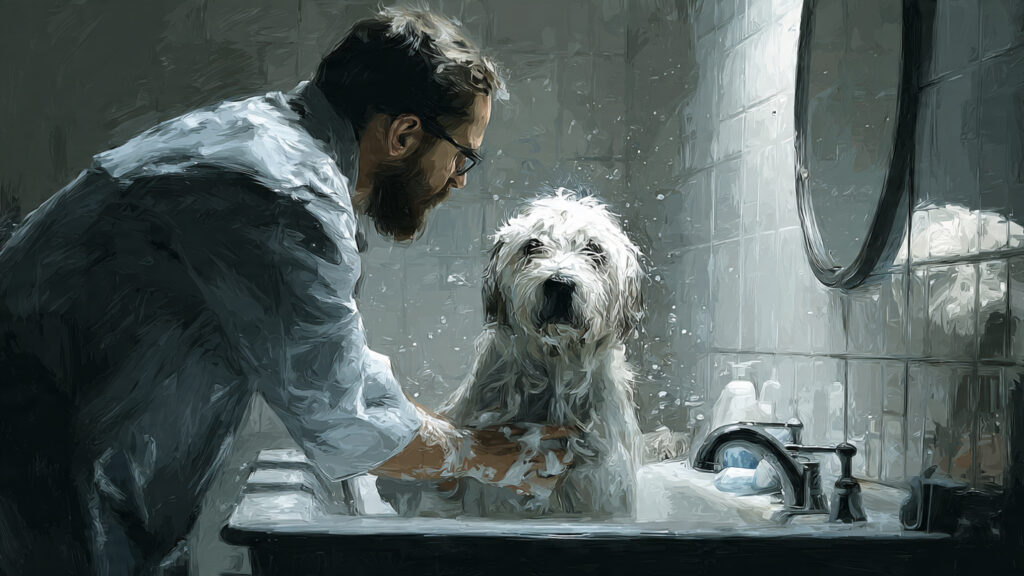
Bathing your Dog
Dogs don’t need daily baths; over-bathing can dry out their skin. Use dog-specific shampoos and lukewarm water.
Example:
- Puppies should be bathed every 3–4 weeks using gentle puppy shampoo.
- Active dogs who play outside may need a bath every 2–3 weeks.
Always rinse thoroughly to remove all shampoo and avoid skin irritation.
Nail Trimming
Long nails can cause discomfort or affect your dog’s walking. Trim nails carefully using dog nail clippers.
Example:
- For small dogs like Chihuahuas, trim nails every 2–3 weeks.
- For larger dogs like Labradors, check nails monthly and trim as needed.
If unsure, a vet or professional groomer can show you the correct technique to avoid cutting the quick.
Ear Cleaning
Regular ear cleaning prevents infections, especially in floppy-eared dogs. Use a vet-approved ear cleaner and cotton balls.
Example:
- Breeds like Cocker Spaniels are prone to ear infections, so check ears weekly.
- Dogs with upright ears like German Shepherds need less frequent cleaning but should still be checked.
Avoid inserting anything deep into the ear canal to prevent injury.
Dental care
Dental hygiene is often overlooked but crucial. Brush your dog’s teeth regularly and provide dental chews to reduce plaque buildup.
Example:
- Small breeds like Yorkshire Terriers are prone to dental issues, so daily brushing is recommended.
- Larger breeds like Boxers can benefit from weekly brushing and dental toys.
Regular dental care prevents bad breath, tooth decay, and gum disease.
Professional Grooming
Depending on the breed, occasional visits to a professional groomer may be necessary for haircuts, special baths, or nail trimming.
Example:
- Poodles and Shih Tzus often need professional grooming every 6–8 weeks.
- Short-haired breeds may only need grooming if they get very dirty.
Professional grooming ensures your dog looks neat and stays healthy.
Training and Socialization
Training and socialization are two of the most important responsibilities for first-time dog owners. They help your dog develop good behavior, feel confident in new situations, and build a strong bond with you.
Start Training Early
The best time to begin training is as soon as your dog comes home. Early training helps prevent bad habits from forming and makes learning easier.
Example:
If your puppy learns to sit before getting treats or meals, they quickly understand that calm behavior is rewarded.
Teach Basic Commands
Start with simple commands like sit, stay, come, and down. These commands improve communication and keep your dog safe.
Example:
Teaching the command “come” can prevent your dog from running into the street when off the leash.
Use Positive Reinforcement
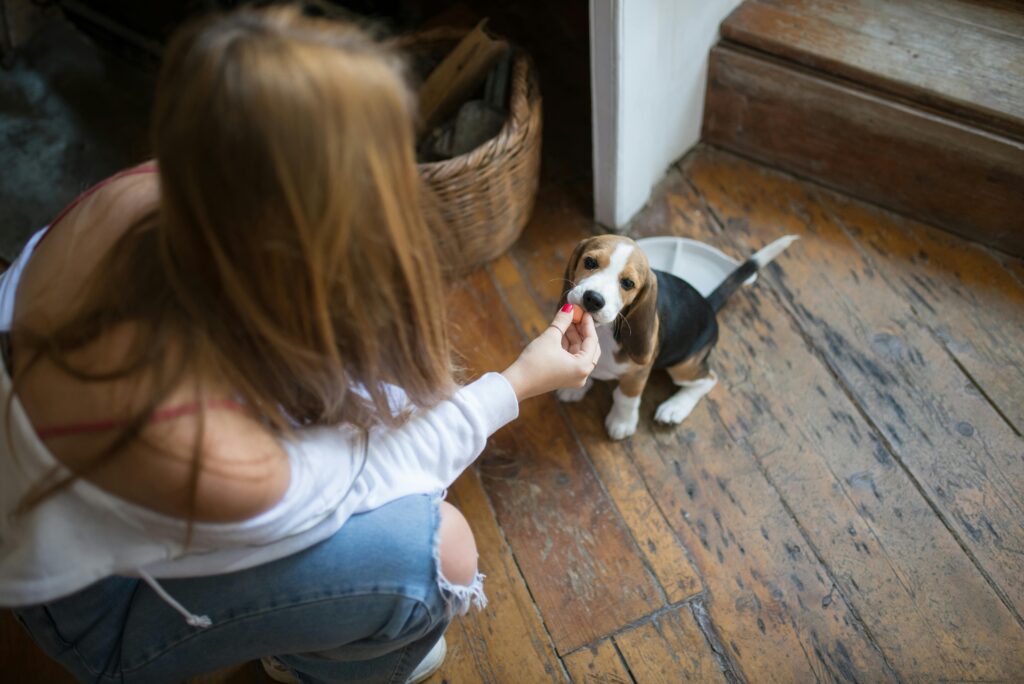
Always reward good behavior with treats, praise, or affection. Positive reinforcement makes training enjoyable and builds trust.
Example:
When your dog sits on command, say “good job” and give a small treat instead of shouting or using punishment.
Be Consistent and Patient
Consistency helps your dog understand what is expected. Use the same commands and rules every day, and be patient if your dog takes time to learn.
Example:
If jumping on guests is not allowed, everyone in the household should follow the same rule and not encourage it.
Socialize Your Dog Gradually
Socialization means exposing your dog to different people, animals, sounds, and environments in a calm and positive way.
Example:
Take your dog on short walks to meet friendly neighbors or let them observe other dogs from a safe distance at first.
Introduce New Experiences Safely
New experiences should be introduced slowly to avoid fear or stress. Always make sure your dog feels safe.
Example:
Before taking your dog to a busy park, let them get used to car rides and quiet outdoor areas.
Enroll in Training Classes if Needed
Professional training classes can be very helpful, especially for first-time dog owners. They provide guidance and structured learning.
Example:
A puppy training class can teach your dog obedience skills while also helping them socialize with other dogs.
Practice Training Daily
Short daily training sessions are more effective than long, occasional ones. Keep sessions fun and engaging.
Example:
Practice basic commands for 5–10 minutes after a walk or before feeding time.
Playtime and Exercise
Playtime and regular exercise are essential for a dog’s physical health, mental stimulation, and emotional well-being. For first-time dog owners, understanding how much and what type of activity your dog needs will help prevent behavior problems and keep your dog happy.
Importance of Playtime for Dogs
Playtime is more than just fun it helps dogs release energy, reduce stress, and build a strong bond with their owner. Dogs that do not get enough playtime may become bored, anxious, or destructive.
Example:
A puppy that doesn’t get daily playtime may chew furniture or shoes out of boredom. Regular play sessions can redirect this energy in a positive way.
Daily Exercise Requirements
Different dogs need different levels of exercise depending on their age, breed, and size. While puppies and active breeds require more movement, older or smaller dogs may need lighter activity.
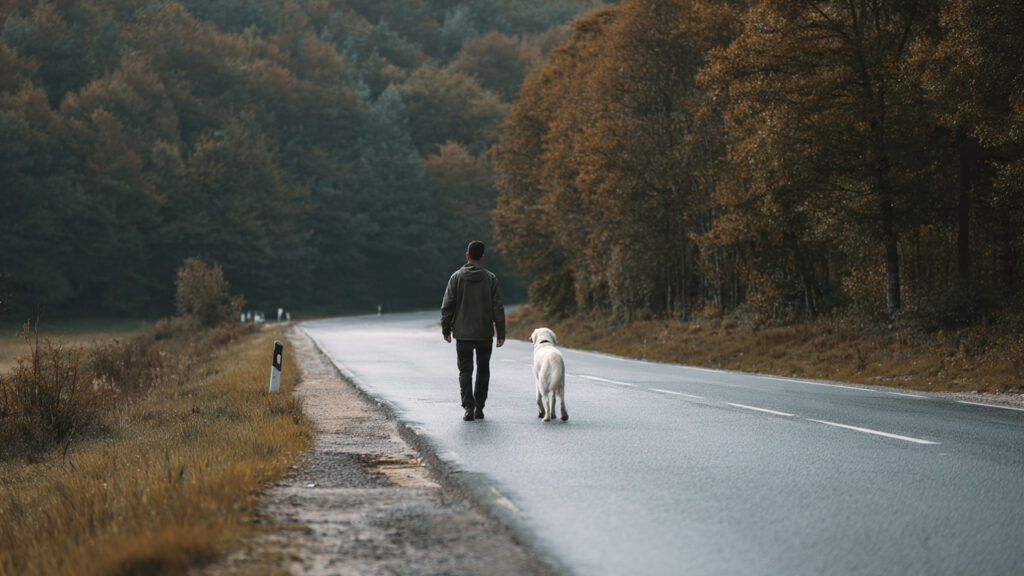
Example:
- A Labrador Retriever may need 60–90 minutes of exercise daily, such as walking and playing fetch.
- A small breed like a Pug may only need short walks and gentle play sessions.
Indoor Play Activities
Indoor play is especially useful during bad weather or for apartment living. Simple games can keep your dog active even in limited space.
Examples:
- Playing tug-of-war with a rope toy
- Hide-and-seek using treats or toys
- Puzzle toys that challenge your dog’s mind
Outdoor Exercise and Play
Outdoor activities allow dogs to explore their environment, socialize, and burn off extra energy. Always ensure your dog is safe and supervised.
Examples:
- Daily walks around the neighborhood
- Playing fetch in a park or backyard
- Allowing controlled off-leash time in a secure area
Creating a Routine
Dogs thrive on routine. Setting a regular schedule for playtime and exercise helps them feel secure and reduces anxiety.
Example:
Taking your dog for a walk every morning and playing with them in the evening helps them know what to expect each day.
Signs Your Dog Needs More or Less Exercise
Pay attention to your dog’s behavior to adjust activity levels accordingly.
Examples:
- Needs more exercise: Excessive barking, chewing, or restlessness
- Needs less exercise: Heavy panting, limping, or reluctance to move
Safety Tips for First-Time Dog Owners
- Start slowly, especially with puppies or older dogs
- Always provide fresh water after exercise
- Avoid intense activity in very hot or cold weather
Medical Care and Veterinary Visits
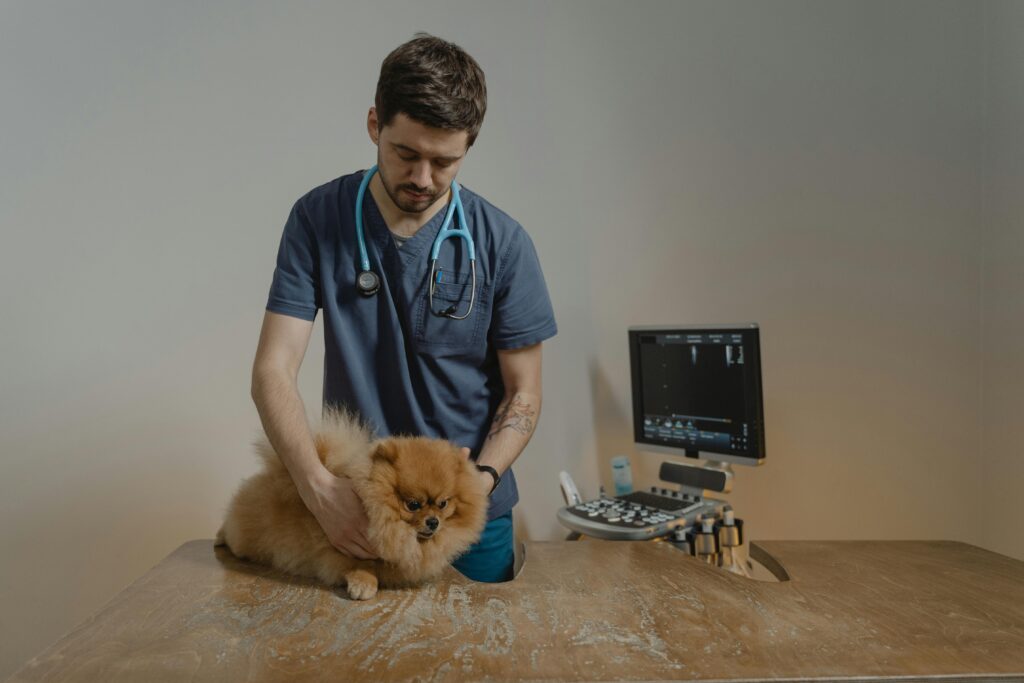
Proper medical care is one of the most important responsibilities of a first-time dog owner. Regular veterinary visits help keep your dog healthy, prevent diseases, and detect health problems early.
Scheduling the First Veterinary Visit
As soon as you bring your dog home, schedule a visit with a licensed veterinarian. This initial check-up establishes a health baseline for your dog.
What happens during the first visit:
- Full physical examination
- Weight and temperature check
- Review of vaccination history
- Discussion about diet, behavior, and lifestyle
Example:
If you adopt a puppy from a shelter, the vet will confirm which vaccinations are already done and create a schedule for the remaining ones.
Vaccinations and Preventive Care
Vaccinations protect your dog from serious and sometimes life-threatening diseases.
Common core vaccinations include:
- Rabies
- Distemper
- Parvovirus
- Hepatitis
Preventive care also includes protection against parasites such as fleas, ticks, and worms.
Example:
Your vet may recommend a monthly flea and tick chewable tablet to prevent skin infections and diseases caused by parasites.
Regular Health Check-Ups
Even if your dog appears healthy, routine vet visits are essential. Adult dogs should see a veterinarian at least once a year.
Benefits of regular check-ups:
- Early detection of illnesses
- Monitoring weight and dental health
- Updating vaccinations and medications
Example:
A yearly exam may help detect early signs of arthritis or dental disease before they become severe.
Spaying or Neutering Your Dog
Spaying (for females) and neutering (for males) is often recommended by veterinarians.
Advantages include:
- Reduces the risk of certain cancers
- Prevents unwanted pregnancies
- Helps manage aggressive or roaming behavior
Example:
Neutering a male dog may reduce territorial marking and aggressive tendencies.
Dental Care and Hygiene
Dental health is often overlooked but is crucial for your dog’s overall well-being.
Basic dental care includes:
- Regular teeth brushing with dog-safe toothpaste
- Dental chews approved by veterinarians
- Professional dental cleanings if needed
Example:
If your dog has bad breath or swollen gums, the vet may recommend a professional dental cleaning.
Recognizing Signs That Require a Vet Visit
First-time owners should learn to recognize symptoms that need immediate medical attention.
Warning signs include:
- Loss of appetite
- Vomiting or diarrhea
- Lethargy or sudden behavior changes
- Persistent scratching or hair loss
Example:
If your dog suddenly refuses food for more than 24 hours and seems weak, a vet visit is necessary.
Keeping Medical Records Organized
Maintaining a record of your dog’s medical history helps ensure consistent care.
What to keep on file:
- Vaccination dates
- Medication schedules
- Vet visit summaries
Example:
When traveling or switching vets, having organized records makes it easier for a new veterinarian to provide proper care.
Developing a Relationship with Your Dog
Building a strong relationship with your dog is one of the most important parts of first-time dog care. A healthy bond creates trust, improves behavior, and makes training easier. Dogs thrive on connection, consistency, and kindness especially when they are adjusting to a new home.
Understanding Your Dog’s Needs
Every dog has physical, emotional, and social needs. Understanding these needs helps your dog feel safe and loved.
Practical Explanation:
Dogs need regular food, clean water, exercise, mental stimulation, and affection. They also need rest and a predictable routine.
Example:
If your dog becomes restless or chews furniture, it may not be misbehavior it could be boredom. A daily walk or interactive toy can meet this need and strengthen your bond.
Building Trust Through Consistency
Consistency helps your dog understand what to expect from you. When rules, routines, and reactions stay the same, your dog feels secure.
Feed your dog at the same times each day, use the same commands, and react calmly to mistakes.
Example:
If you allow your dog on the couch one day and scold them the next, it creates confusion. Clear, consistent rules help your dog trust your guidance.
Spending Quality Time Together
Time spent together strengthens emotional connection. Dogs form bonds through shared experiences.
Quality time includes walking, playing, training, or simply sitting together quietly.
Example:
Taking your dog for a daily evening walk not only provides exercise but also creates a routine your dog will look forward to and associate with you.
Communicating Clearly with Your Dog
Dogs communicate mainly through body language, tone of voice, and repetition.
Use simple commands, a calm tone, and positive body language. Avoid shouting, as it can create fear.
Example:
When teaching “sit,” say the word clearly, guide your dog gently, and reward success. Over time, your dog learns both the word and your expectations.
Using Positive Reinforcement
Positive reinforcement encourages good behavior and strengthens your relationship.
Reward behaviors you like with treats, praise, or affection. Ignore or calmly redirect unwanted behavior.
Example
When your dog sits calmly instead of jumping on guests, praise them or give a small treat. Your dog learns that good behavior earns rewards.
Showing Patience and Empathy
Dogs, especially new or rescued ones, may need time to adjust. Patience builds trust and confidence.
Mistakes are part of learning. Respond gently and give your dog time to understand their new environment.
Example:
If your dog has an accident indoors, avoid punishment. Clean the area and reinforce outdoor bathroom habits instead.
Respecting Your Dog’s Personality
Each dog has a unique personality. Some are playful, others shy or calm.
Observe your dog’s preferences and adjust your interaction style accordingly.
Example:
A shy dog may prefer quiet bonding time, while an energetic dog may bond best through play and training games.
Creating a Safe and Loving Environment
A dog that feels safe is more likely to trust and bond with you.
Provide a comfortable sleeping area, avoid harsh discipline, and protect your dog from stressful situations.
Example:
Giving your dog a quiet bed or crate where they can relax helps them feel secure and emotionally connected to their home.
FAQs
How long does it take to build a bond with a new dog?
Bonding can take a few weeks to several months, depending on the dog’s age, background, and personality. Consistent care, patience, and positive interaction help strengthen the relationship over time.
How can I make my dog feel comfortable in a new home?
Provide a quiet space, follow a routine, speak gently, and avoid overwhelming your dog with too many people or activities during the first few days.
What is the best way to show affection to my dog?
Affection can be shown through gentle petting, praise, playtime, and spending quality time together. Pay attention to what your dog enjoys most.
Why does my dog seem scared or shy around me?
Some dogs need extra time to adjust, especially if they are young or rescued. Give them space, avoid forcing interaction, and allow trust to develop naturally.
How important is routine for building a relationship with my dog?
Routine is very important. Regular feeding, walking, and sleeping times help your dog feel secure and understand what to expect from you.
Conclusion
Taking care of a puppy for the first time comes with a lot of responsibility, but it’s also really satisfying. In return for providing love, happiness, and friendship in your life, a dog needs the right kind of care, attention, and direction. Every stage is essential for your dog’s enjoyment and well-being, from selecting the ideal dog and setting up your home to feeding, grooming, exercising, training, and going to the clinic. Building a solid relationship through love, tolerance, and helpful conversations promotes friendship and trust. Your dog will get over difficulties and grow if you are patient and understanding. A happy, healthy, and loyal friend who will brighten your life for many years is guaranteed with proper care.