Although having birds as pets can be enjoyable, there are responsibilities involved. Birds are sensitive animals that require a safe habitat, proper treatment, and attention in order to live happily. Providing a clean environment, mental exercise, and regular medical checks are all essential elements of caring for pet birds in addition to feeding them. Because they are sociable creatures, ignored birds may experience stress or loneliness. While poor care may end in illness or behavioral issues, good care can help a bird enjoy a long and healthy life. This tutorial provides step-by-step instructions on how to give your pet birds the finest care possible at home.
Selecting the Right Bird
Choosing the right bird is the first and most important step in becoming a responsible bird owner. Different bird species have different care needs, temperaments, and lifestyles. Selecting a bird that matches your home environment, time availability, and experience level will help ensure a happy and healthy pet.
Understand Your Lifestyle
Before choosing a pet bird, consider how much time you can dedicate daily. Some birds require constant interaction and attention, while others are more independent.
Example:
Parrots and cockatiels enjoy social interaction and need daily playtime outside the cage. If you work long hours, a finch or canary may be a better option as they are less dependent on human interaction.
Consider your experience level
Some birds are easier to care for than others. Beginners should start with birds that are known for being low-maintenance and friendly.
Example:
Budgerigars (budgies) and lovebirds are ideal for first-time bird owners because they are easy to handle, affordable, and adaptable. Larger parrots, such as macaws, require advanced care and are better suited for experienced owners.
Evaluate space and living environment
Birds need enough space to move, stretch their wings, and feel comfortable. The size of your home and the cage you can provide should influence your choice.
Example:
If you live in a small apartment, a small bird like a budgie or finch is more suitable. Large birds like African Grey parrots need spacious cages and room to fly, which may not be practical in limited spaces.
Noise level and temperament
Some birds are naturally loud, while others are quieter. It is important to consider noise tolerance, especially if you live in a shared household or apartment.
Example:
Canaries and finches are known for soft, pleasant sounds, making them ideal for quiet homes. Parrots, on the other hand, can be very vocal and may disturb neighbors if noise is a concern.
Lifespan and long term commitment
Birds can live for many years, and owning one is a long-term responsibility.
Example:
A budgie may live for 8–10 years, while parrots like cockatoos can live for over 50 years. Make sure you are prepared for this long-term commitment before making a choice.
Setting Up the Cage
A well-arranged cage is essential for your pet bird’s comfort, safety, and overall health. The cage should feel like a secure and stimulating home where the bird can eat, rest, play, and move freely.
Choosing the right cage size
The cage must be spacious enough for your bird to stretch its wings and move around comfortably. A small cage can cause stress and limit physical activity.
Example:
If you have a budgie or cockatiel, choose a cage that allows the bird to fully spread its wings without touching the sides. Larger birds like parrots require wider and taller cages to climb and exercise.
Placing the cage in a safe location
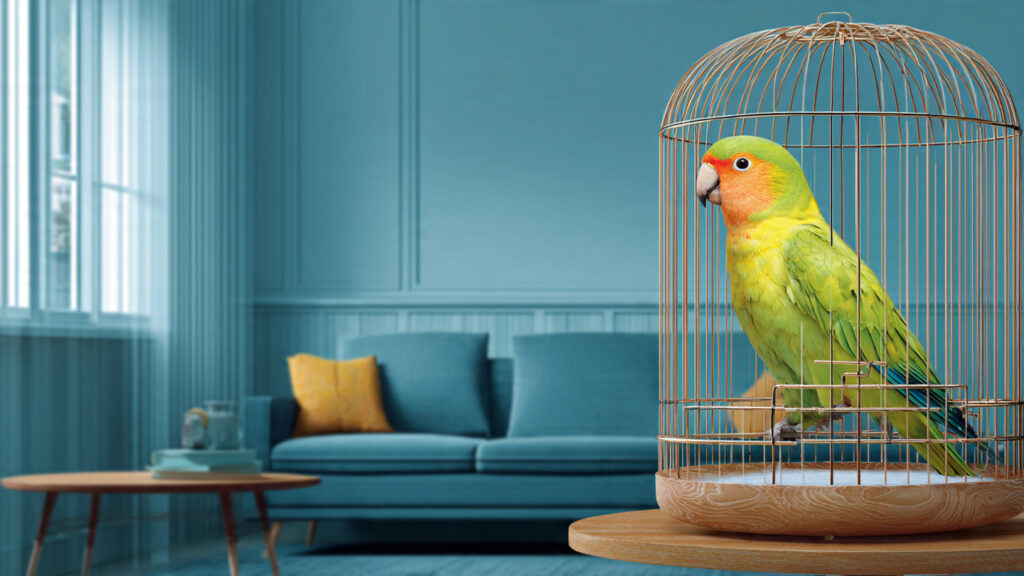
The cage should be placed in a calm, well-lit area of your home where the bird can observe daily activities without being disturbed.
Key tips:
- Avoid placing the cage near kitchens, as fumes and smoke are harmful.
- Keep it away from direct sunlight, drafts, and air conditioners.
- Position the cage at eye level to help the bird feel secure.
Example:
A living room corner with natural light and moderate activity is often ideal, as it helps the bird feel part of the family.
Providing proper perches
Perches help birds rest, exercise their feet, and maintain balance. Using different types of perches prevents foot problems.
Best practices:
- Use perches of varying thickness and textures.
- Avoid placing perches directly above food and water bowls.
- Natural wooden perches are better than smooth plastic ones.
Example:
A wooden branch perch combined with a rope perch gives your bird comfort and variety.
Adding food and water bowls
Food and water containers should be clean, sturdy, and easily accessible.
Important points:
- Use separate bowls for food and water.
- Place them where droppings cannot fall into them.
- Clean and refill daily.
Example:
Stainless steel bowls attached to the side of the cage are easy to clean and prevent spilling.
Including toys and enrichment items
Toys keep birds mentally stimulated and prevent boredom, which can lead to unhealthy behaviors like feather plucking.
Types of suitable toys:
- Chew toys
- Swings
- Bells
- Puzzle toys
Example:
For an active bird like a parakeet, a swing and a chew toy can provide hours of entertainment.
Maintaining cleanliness and hygiene
A clean cage ensures a healthy living environment for your bird.
Cleaning routine:
- Remove leftover food daily.
- Clean perches and bowls regularly.
- Replace cage liners every day or every two days.
Example:
Using newspaper or paper towels at the bottom of the cage makes daily cleaning quick and simple.
How to Feed Your Bird
Proper feeding is one of the most important parts of keeping your pet bird healthy and happy. Birds need a balanced diet that provides the right nutrients for their growth, energy, and strong immune system. Below are the key points to understand when feeding your pet bird at home.
Understand your birds dietary needs
Different bird species have different nutritional requirements. What is healthy for one bird may not be suitable for another.
Example:
- Parrots need a mix of pellets, fruits, vegetables, and seeds.
- Canaries and finches mainly thrive on seeds with small portions of greens.
Always research your bird’s species or consult a veterinarian to ensure you are offering the right food.
Provide a balanced diet
A balanced diet should include a variety of foods rather than only seeds. Feeding only seeds can lead to vitamin deficiencies and health problems.
Key components of a healthy bird diet:
- Pellets: Specially formulated pellets provide essential vitamins and minerals.
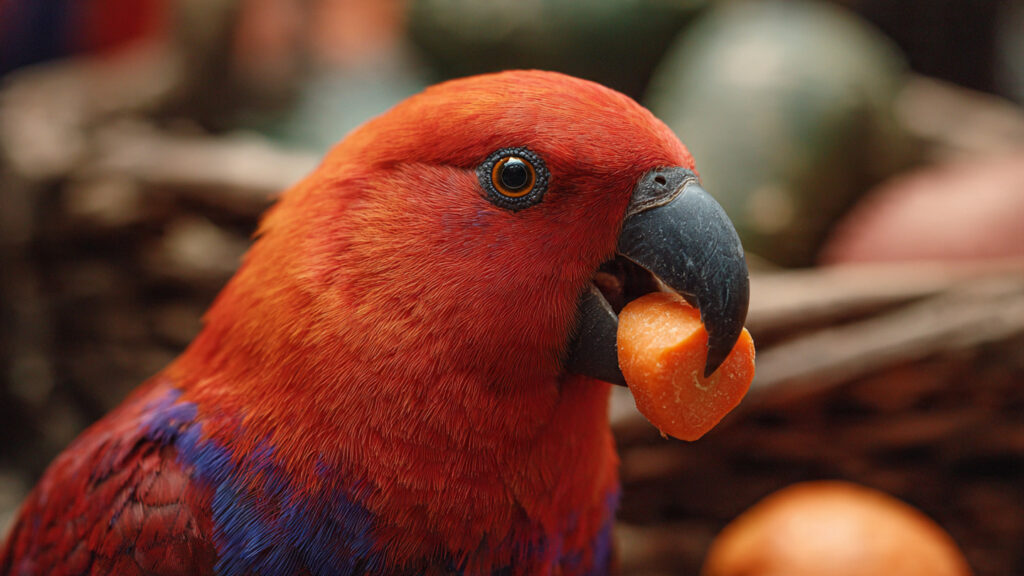
- Fresh fruits and vegetables: Apples (without seeds), carrots, spinach, and broccoli are excellent choices.
- Seeds and nuts: Offer these in moderation as treats, not as the main meal.
Example:
A daily meal for a parrot can include pellets in the morning, fresh vegetables in the afternoon, and a small amount of seeds as a treat.
Offer fresh food and clean water daily
Birds should always have access to clean drinking water and fresh food. Old or spoiled food can cause illness.
Tips:
- Change water at least once a day.
- Remove uneaten fresh food after a few hours to prevent bacteria growth.
Example:
If you give your bird sliced fruit in the morning, remove leftovers by afternoon and replace the water with fresh, clean water.
Avoid Harmful and Toxic Foods
Some human foods are dangerous for birds and should never be fed.
Foods to avoid:
- Chocolate
- Avocado
- Caffeine
- Salty or sugary snacks
- Alcohol
Example:
Even a small piece of chocolate can be toxic to birds, so keep such foods away from their reach.
Maintaining feeding schedule
Having a regular feeding routine helps your bird feel secure and healthy. Birds thrive on consistency.
Example:
Feed your bird at the same times each day, such as once in the morning and once in the evening, to establish a healthy routine.
Observe your birds eating habit
Pay attention to how much your bird eats and any changes in appetite. Sudden changes can indicate health issues.
Example:
If your bird suddenly stops eating its favorite food or eats much less than usual, it may be time to consult a veterinarian.
Maintaining Hygiene
Maintaining proper hygiene is essential for keeping your pet bird healthy, active, and free from diseases. Birds are sensitive creatures, and poor cleanliness can lead to infections, respiratory problems, and stress. A clean environment also helps prevent bad odors and makes caring for your bird more enjoyable.
Cleaning the Birdcage Regularly
The birdcage should be cleaned daily and thoroughly washed at least once a week. Remove leftover food, droppings, and feathers every day to prevent the growth of bacteria and mold.
Example:
If food scraps are left in the cage for too long, they can attract insects and develop harmful germs that may make your bird sick.
Keeping food and water bowls clean
Food and water bowls must be washed every day using warm water. Dirty bowls can quickly become a breeding ground for bacteria.
Example:
Fresh water placed in a clean bowl every morning keeps your bird hydrated and reduces the risk of stomach infections.
Bathing and grooming the bird
Most birds enjoy bathing, which helps keep their feathers clean and healthy. You can provide a shallow bowl of water or gently mist your bird with clean water.
Example:
A budgie that bathes regularly will have shiny feathers and less feather dust around the cage.
Cleaning perches and toys
Perches and toys should be cleaned weekly, as birds spend a lot of time on them. Dirty perches can cause foot infections, while unclean toys may carry germs.
Example:
Washing wooden perches with mild soap and drying them properly helps prevent bacterial buildup.
Maintaining a clean surrounding area
The area around the cage should also be kept clean. Sweep or wipe the floor regularly to remove fallen seeds and feathers.
Example:
A clean room reduces dust and improves air quality, which is especially important for a bird’s sensitive respiratory system.
Supplying Light and Fresh Air
Providing proper light and fresh air is essential for your pet bird’s physical health and emotional well-being. Birds depend on natural light cycles and clean air to stay active, healthy, and stress-free.
Importance of Natural Light
Natural light helps regulate a bird’s biological clock and supports vitamin D production, which is necessary for strong bones and healthy feathers. Birds exposed to adequate daylight are usually more energetic and maintain better overall health.
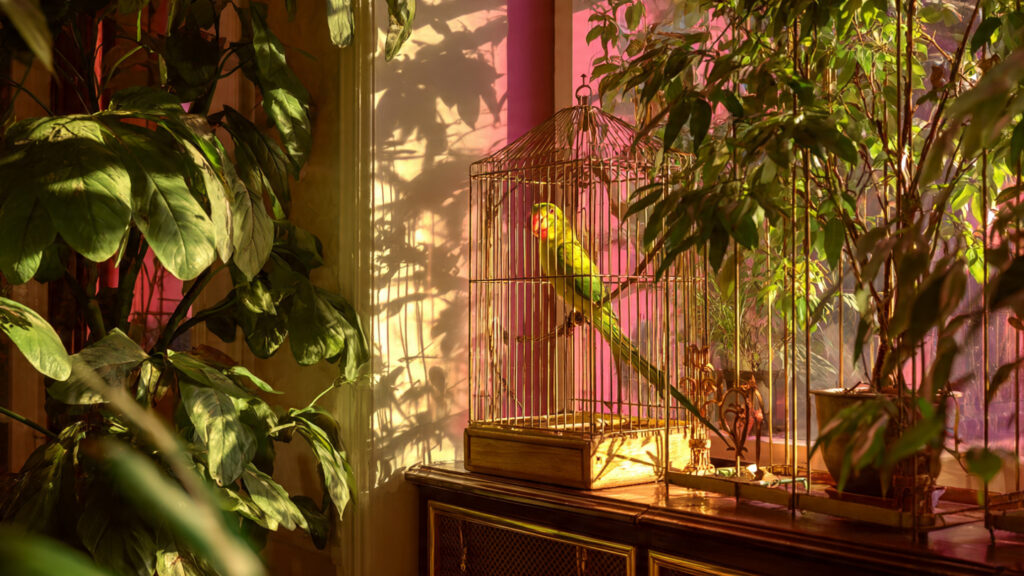
Example:
Place the birdcage near a window where sunlight enters during the day, but ensure the bird is not in direct, harsh sunlight for long hours, as this can cause overheating.
Avoid direct sunlight and overheating
While light is important, too much direct sunlight can be harmful. Birds can become stressed or dehydrated if their cage is placed directly under strong sun rays.
Example:
Use light curtains or blinds to filter sunlight, allowing brightness without excessive heat.
Importance of fresh air
Fresh air keeps the bird’s environment clean and reduces the risk of respiratory problems. Birds are sensitive to stale air, smoke, and strong odors.
Example:
Open windows daily for a short time to allow air circulation, but ensure there are no cold drafts blowing directly toward the cage.
Keep away from harmful fumes
Birds have delicate respiratory systems and can be harmed by fumes from cooking, perfumes, sprays, or cigarette smoke.
Example:
Never place the birdcage in the kitchen or near areas where chemical sprays or incense are used.
Maintain a comfortable environment
A balance of light and airflow helps create a calm and natural living space for your bird. A comfortable environment encourages singing, playing, and healthy behavior.
Example:
A bright room with indirect sunlight and gentle airflow is ideal for keeping your bird happy and active.
Social Communication
Social communication is a vital part of a pet bird’s emotional and mental well-being. Birds are naturally social creatures, and in the wild they constantly interact with their flock. When kept at home, they rely on their owners for companionship, communication, and stimulation.
Understanding Bird communication
Birds communicate through sounds, body language, and behavior. Chirping, whistling, or mimicking sounds often indicates happiness or excitement, while silence, aggressive postures, or feather fluffing may signal stress or discomfort. Learning to recognize these signals helps owners respond appropriately to their bird’s needs.
Importance of daily interaction
Regular interaction strengthens the bond between you and your pet bird. Talking to your bird, responding to its sounds, and spending time near its cage can reduce loneliness and prevent behavioral problems such as excessive screaming or feather plucking. Even simple conversations help birds feel included and secure.
Teaching and encouraging speech
Some birds, such as parrots and budgies, enjoy learning words and sounds. Repeating simple phrases in a calm and friendly tone encourages communication and mental stimulation. Positive reinforcement, such as praise or treats, helps the bird associate communication with a pleasant experience.
Respecting social boundaries
While interaction is important, it is equally necessary to respect a bird’s comfort level. Forcing interaction can cause fear or stress. Observing your bird’s reactions and giving it space when needed builds trust and promotes healthy communication.
Example
For example, if you greet your pet bird every morning with the same phrase, it may begin to recognize your voice and respond with chirps or mimic the greeting. Over time, this routine creates familiarity, strengthens your bond, and makes the bird feel emotionally connected to you.
Physical Activity and Brain Development
Physical activity is not just essential for a bird’s physical health it also plays a crucial role in its brain development and mental well-being. Birds are intelligent creatures, and keeping them active helps stimulate their cognitive abilities.
Importance of Movement
Just like humans, birds need regular movement to maintain a healthy body and mind. When birds fly, climb, or explore, it promotes blood flow to the brain, which enhances neural connections. This helps in learning new behaviors and improves problem-solving skills.
Example:
A parrot that has space to fly around its cage or interact with perches and toys will be more alert and responsive than one kept in a small, stationary cage.
Mental stimulation through activity
Physical activity often goes hand-in-hand with mental challenges. Birds that are encouraged to forage, play with toys, or navigate obstacle courses develop sharper memory and better decision-making skills.
Example: Hiding small treats around the cage encourages a bird to search and think, which stimulates both body and brain.
Preventing behavioral problems
A lack of physical activity can lead to boredom, which may result in behavioral issues such as feather plucking, excessive screaming, or aggression. Regular exercise keeps a bird mentally satisfied and reduces stress.
Example:
Providing swings, ladders, and safe space for flight helps keep a budgie active and prevents destructive habits.
Encouraging social and learning behavior
Active birds are more likely to engage with their owners and learn tricks or mimic sounds. Movement enhances their ability to interact and adapt to their environment, which strengthens their overall cognitive development.
Example:
A cockatiel that enjoys hopping between perches and interacting with toys is more likely to learn simple commands or whistles from its owner.
Regular Medical Testing
Regular medical testing is an essential part of ensuring your pet bird stays healthy. Birds are masters at hiding illnesses, so routine check-ups and tests help detect problems before they become serious. Here’s how to approach it:
Importance of Medical Testing
Just like humans, birds need preventive healthcare. Regular tests help in:
- Detecting diseases early, even if the bird shows no symptoms.
- Monitoring ongoing health conditions.
- Ensuring proper growth and nutrition.
Example:
A bird may appear healthy but could have early-stage liver disease. Regular blood tests can catch this before it worsens.
Types of common medical tests
Some of the most common tests for pet birds include:
- Blood Tests: Check for infections, organ function, and nutritional deficiencies.
- Fecal Tests: Detect internal parasites, bacteria, or digestive problems.
- X-Rays or Imaging: Identify broken bones, respiratory issues, or abnormal growths.
- Feather and Beak Examination: Helps assess vitamin and mineral levels.
Example:
A fecal test might reveal a mild parasitic infection that can be treated quickly with medication, preventing severe illness.
Frequency of testing
- Young Birds: More frequent check-ups (every 3–6 months) as they grow and develop.
- Adult Birds: At least once a year for a full health check.
- Senior Birds: Every 6 months, since older birds are more prone to diseases.
Signs that testing is needed immediately
Even with routine check-ups, you should seek immediate testing if you notice:
- Changes in appetite or weight
- Unusual droppings
- Respiratory distress (wheezing or labored breathing)
- Lethargy or unusual behavior
Example:
If your parakeet suddenly stops eating and becomes less active, a prompt veterinary examination and blood test may uncover an infection or organ problem that requires immediate treatment.
Choosing the right veterinarian
Ensure your bird sees an avian veterinarian, who specializes in birds rather than general pet doctors. They understand species-specific diseases and proper testing methods.
Feather Care and Grooming
Proper feather care is essential for keeping your pet bird healthy, comfortable, and looking its best. Birds rely on their feathers not only for beauty but also for insulation, flight, and protection. Neglecting feather care can lead to stress, illness, and poor appearance.
Regular Preening Support
Birds naturally preen their feathers to remove dirt, align barbs, and distribute oils from their preen gland. As a pet owner, you can support this process by:
- Providing a clean environment: Keep the cage clean and remove dust, droppings, and leftover food.
- Encouraging preening: Offer natural branches or perches with varying textures. Birds use these to scratch and maintain their feathers.
Example:
A parakeet will often rub its beak along its feathers, rearranging them. Providing a wooden perch encourages proper preening and reduces feather damage.
Bathing and moisture
Bathing is vital to maintain healthy, glossy feathers and prevent dryness. Birds can bathe in:
- Shallow water dishes: Ensure water is lukewarm and shallow.
- Misting sprays: Lightly mist your bird with water 1–2 times a week, depending on the species.
Example:
Cockatiels enjoy splashing in a shallow dish. After bathing, allow them to preen naturally so their feathers dry properly.
Avoiding feather plucking
Feather plucking can occur due to stress, boredom, or illness. Prevent this by:
- Providing mental stimulation: Toys, mirrors, and interaction can keep birds entertained.
- Monitoring diet: Nutritional deficiencies can lead to feather issues. Ensure a balanced diet rich in vitamins and minerals.
Example:
If a lovebird starts plucking its feathers, adding a hanging toy or foraging treats can redirect attention and reduce stress.
Trimming and professional grooming
Some birds may require occasional feather trimming to ensure safety or maintain manageable flight within a home setting.
- Wing trimming: Should only be done by a professional or under guidance to prevent injury.
- Regular check-ups: A veterinarian can inspect feathers for mites, lice, or fungal infections.
Example:
For a large parrot like an African Grey, periodic professional wing trimming helps prevent accidental damage indoors while maintaining feather health.
Nail and Beak care
Healthy nails and beak indirectly contribute to feather health. Overgrown nails or beak can make preening difficult.
- Provide cuttlebone or mineral blocks: These help maintain beak length.
- Safe perches: Rough or textured perches allow natural nail filing.
Example:
A cockatoo will use a cuttlebone to trim its beak naturally, making it easier to preen and maintain feathers.
Building a Secure Environment
Creating a safe and secure environment is one of the most important steps in taking care of a pet bird. Birds are naturally curious and delicate creatures, so ensuring their surroundings are safe prevents accidents and promotes their well-being.
Choose a Safe Cage
The cage is the bird’s home and sanctuary.
- Size matters: Ensure the cage is spacious enough for your bird to stretch its wings and move freely. For example, a budgie or parakeet needs at least a 30x18x18 inch cage.
- Material safety: Avoid cages with toxic paint or rough edges that could harm your bird. Stainless steel cages are ideal because they are safe and durable.
- Secure doors: Make sure all doors and locks are secure to prevent accidental escapes.
Remove Potential hazards
Birds can easily injure themselves if hazards are present.
- No sharp objects: Keep sharp objects like scissors or kitchen knives away from their play area.
- Avoid toxic plants: Certain household plants like lilies, avocado, and philodendron are toxic to birds.
- Electrical safety: Cover exposed wires and cords, as birds may chew on them.
Control temprature and lighting
Birds are sensitive to extreme temperatures and improper lighting.
- Temperature range: Maintain a stable, moderate temperature (around 65–75°F or 18–24°C for most pet birds).
- Natural light: Provide access to natural sunlight or full-spectrum lighting to support their health, but avoid direct sunlight that can overheat them.
Safe play area
Birds need mental and physical stimulation, but their play area should be safe.
- Toys: Provide bird-safe toys made of non-toxic materials. Avoid small parts that can be swallowed.
- Perches: Use perches of varying sizes and textures to prevent foot problems, but avoid sandpaper-covered perches as they can harm their feet.
Secure windows and doors
Birds are fast and curious, so securing openings is essential.
Screens: If a window must be open, use a secure mesh screen to prevent escapes.
Closed windows and doors: Keep windows and doors closed when your bird is out of the cage.
FAQs
What is the best diet for a pet bird?
A healthy pet bird diet includes high-quality pellets, fresh fruits, vegetables, seeds (in moderation), and clean water. Avoid chocolate, avocado, caffeine, and salty or sugary foods.
How often should I clean my bird’s cage?
Spot-clean daily by removing droppings and food waste. Do a thorough cage cleaning, including perches and toys, at least once a week to prevent bacteria buildup.
How much space does a pet bird need?
Birds need enough space to fully spread their wings and move freely. Larger cages are always better, especially if the bird spends a lot of time inside.
Do pet birds need daily interaction?
Yes, most pet birds are social and need daily interaction, mental stimulation, and supervised time outside the cage to stay happy and healthy.
How can I tell if my bird is sick?
Common signs include loss of appetite, fluffed feathers, lethargy, changes in droppings, or unusual behavior. If you notice these, consult an avian veterinarian promptly.
Is it safe to let my bird fly freely at home?
Yes, but only in a bird-proofed room. Close windows and doors, turn off ceiling fans, and remove hazards like mirrors, toxic plants, or open water containers.
Conclusion
It takes effort, patience, and time to care for pet birds. The bird will live a happy and healthy life if it is given a suitable cage, nutritious food, cleanliness, fresh air, social interaction, and regular medical checks. Love, attention, and brain activity are what birds need to survive. It is easier to create a suitable environment at home when one is aware of the needs and natural behavior of the bird. A pet bird can become a loyal and happy companion with the right care, adding beauty and happiness to the owner’s life. Birds that are owned responsibly are certain to live long, healthy, and happy lives as members of the family.