For every fish keeper, training aquarium fish for feeding is an interesting and beneficial hobby. It is commonly believed that fish can’t develop hobbies. Amazingly intelligent, aquarium fish can know food types, feeding times, and even the person who feeds them. Teaching fish when, where, and how to eat correctly is known as feeding training. This instruction reduces food waste, enhances fish health, and keeps the water clean. When fish are educated, they don’t throw food all over the place; rather, they arrive at the surface or feeding location on time and eat quietly. Additionally, this helps beginners understand fish behavior. By creating a close bond between the fish and their owner, feeding instruction improves the company and enjoyment of the aquarium experience.
Recognizing Fish Behavior Before Training
Understanding fish behavior before starting any form of training is essential. Fish communicate through movement, positioning, color changes, and feeding responses. Recognizing these behaviors helps ensure effective training, reduces stress, and improves learning outcomes.
Importance of Observing Fish Behavior
Before training begins, observing fish behavior helps identify their natural habits, comfort levels, and stress signals. Training a fish without understanding its behavior can lead to fear, poor response, or health problems.
Example
If a fish hides constantly and avoids open areas, attempting to train it immediately may fail. Allowing time for acclimation first leads to better responsiveness during training.
Natural Swimming Patterns
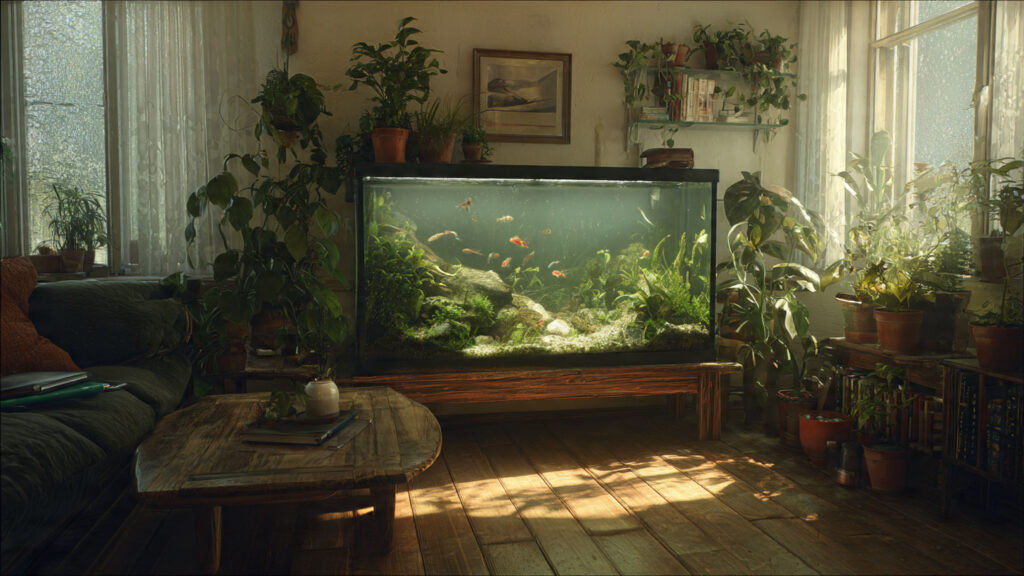
Healthy fish show consistent swimming patterns. Some swim in schools, others prefer solitary movement. Erratic swimming, floating, or sinking may indicate stress or illness.
Example
A goldfish that swims smoothly around the tank is likely ready for basic training, while a fish darting rapidly or rubbing against objects may need environmental adjustment first.
Feeding Behavior
Feeding response is a key indicator of readiness for training. Fish that actively approach food are more receptive to reward-based learning.
Example
A betta fish that swims toward the surface when food is introduced can easily be trained to follow a target or recognize feeding cues.
Response to human presence
Fish gradually learn to recognize human movement outside the tank. Calm reactions indicate trust, while sudden fleeing suggests fear or unfamiliarity.
Example
If a fish approaches the glass when a person enters the room, it shows curiosity and comfort—ideal conditions for training exercises.
Social interaction and aggression
Observing how fish interact with tank mates reveals dominance, submission, or territorial behavior. Aggressive fish may need separation before training.
Example
Cichlids that chase others may require individual training sessions to avoid stress and distraction.
Stress and comfort signals
Stress signals include color fading, clamped fins, hiding, or rapid breathing. Training should only begin once these signs disappear.
Example
A neon tetra with dull colors may be stressed due to water conditions. Adjusting the environment first ensures successful training later.
Learning readiness indicators
Fish ready for training show alertness, curiosity, and consistent daily behavior. These signs indicate cognitive readiness.
Example
A fish that consistently responds to feeding times and explores new objects is more likely to learn simple tasks like target following.
Selecting Healthy Foods
Training aquarium fish to eat properly is essential for their growth, color, immunity, and overall health. Choosing the right foods and introducing them correctly helps fish adapt to captive life and accept a balanced diet.
Understanding the nutritional needs of aquarium fish
Different fish species have different dietary requirements. Some are carnivores, some herbivores, and others omnivores. Knowing what your fish naturally eat helps you select foods that meet their nutritional needs and encourages them to feed willingly.
- Carnivorous fish (e.g., bettas, oscars) need protein-rich foods like bloodworms and brine shrimp.
- Herbivorous fish (e.g., plecos, some cichlids) require plant-based foods such as algae wafers and blanched vegetables.
- Omnivorous fish (e.g., guppies, tetras) thrive on a mix of plant and animal-based foods.
Choosing high quality commercial foods
High-quality commercial foods are formulated to provide balanced nutrition and are safer than random food sources. When training fish to eat, these foods help establish regular feeding habits.
- Flake foods are suitable for surface-feeding fish and are easy for beginners to use.
- Pellets sink slowly and work well for mid-level and bottom-feeding fish.
- Micro-pellets are ideal for small or juvenile fish learning to eat prepared foods.
Introducing live and frozen food for training
Live and frozen foods stimulate natural hunting instincts, making them excellent for training picky or newly introduced fish. These foods can later be used to transition fish to dry foods.
- Live daphnia encourages shy fish to start feeding.
- Frozen bloodworms help train carnivorous fish to recognize food in captivity.
- Mixing frozen food with pellets helps fish gradually accept non-live diets.
Gradual transition to new foods
Fish may reject unfamiliar foods. Introducing new foods slowly prevents stress and food refusal while helping fish learn to accept a wider diet.
- Start by feeding a familiar food, then add small amounts of the new food.
- Over several days, increase the proportion of the new food while reducing the old one.
- Observe feeding behavior and remove uneaten food to maintain water quality.
Maintaining feeding consistency and schedule
A regular feeding schedule trains fish to recognize feeding times and reduces stress. Consistency also prevents overfeeding and water pollution.
- Feed fish once or twice daily at the same time each day.
- Offer only what fish can consume in 2–3 minutes.
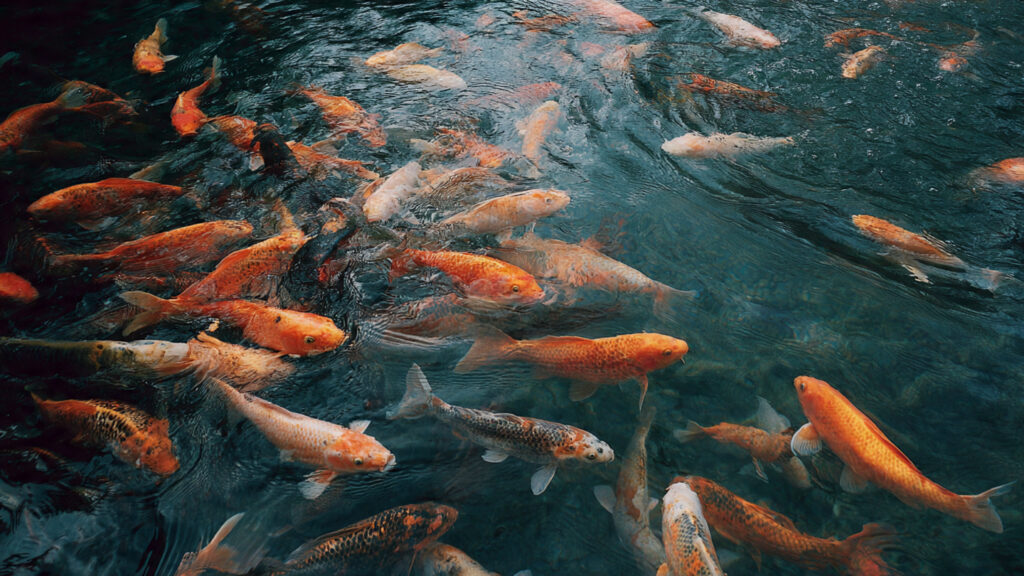
- Use feeding rings to train surface feeders to eat in one location.
Avoiding unhealthy or unsafe food
Not all human foods or wild food sources are safe for aquarium fish. Unsafe foods can cause digestive problems, disease, or poor water quality.
- Avoid bread, processed foods, or oily meats.
- Do not use live foods collected from polluted water sources.
- Wash and blanch vegetables before feeding to remove pesticides.
Monitoring fish health and adjusting diet
Training fish to eat healthy foods requires observation. Changes in appetite, behavior, or appearance may indicate the need to adjust the diet.
Supporting facts
- Bright colors and active behavior indicate proper nutrition.
- Uneaten food or bloating suggests overfeeding or unsuitable food.
- Rotating foods weekly ensures balanced nutrition and keeps fish interested.
Maintaining a Regular Feeding Time
Maintaining a regular feeding time helps aquarium fish develop a predictable routine. Fish are quick learners and can associate certain times of day with food availability. When feeding times are consistent, fish become less stressed, more active, and easier to observe during meals. A regular schedule also prevents overfeeding and reduces leftover food, which helps maintain good water quality in the aquarium.
Example:
If fish are fed every day at 8:00 a.m. and 6:00 p.m., they will begin swimming near the surface or feeding area just before those times, expecting food.
How Regular Feeding Time Trains Fish Behavior
Fish rely on repetition to learn. Feeding them at the same time daily conditions them to recognize feeding cues such as light changes, tank movement, or the presence of the fish keeper. Over time, fish respond faster and eat more confidently.
This training is especially useful for shy or newly introduced fish, helping them adapt to the aquarium environment more quickly.
Example:
A newly added angelfish may hide during feeding at first, but after several days of being fed at the same time, it will come out and join other fish when feeding time arrives.
Benefits for Fish Health and Digestion
Regular feeding times support better digestion and overall health. Fish bodies adjust to scheduled meals, improving nutrient absorption and reducing digestive problems caused by irregular or excessive feeding.
Consistent feeding also helps maintain steady energy levels, which is important for growth, coloration, and immune strength.
Example:
Goldfish fed at consistent times show better growth and brighter colors compared to goldfish fed randomly throughout the day.
Practical Tips for Maintaining a Feeding Schedule
To maintain a regular feeding time:
- Feed fish at the same time every day.
- Use a timer or phone alarm as a reminder.
- Feed small portions that fish can consume within 2–3 minutes.
- Avoid feeding outside the schedule unless necessary.
Example:
An aquarium owner sets a phone alarm for 7:30 p.m. every evening, ensuring the fish are fed at the same time even on busy days.
Long-Term Results of Regular Feeding
Over time, fish trained with regular feeding times become easier to manage and monitor. Any changes in appetite can be quickly noticed, helping identify health issues early.
This routine also strengthens the bond between the fish and the caretaker, making feeding time an engaging and enjoyable experience.
Example:
A school of tetras rushing to the feeding area at the same time every day shows that they are well-trained and comfortable in their environment.
Choosing a Single Feeding Location in the Tank
Choose a single feeding spot in the aquarium to make training easier. Always put food in the same tank section. Fish learn to swim there quickly and link that spot with food. This keeps the tank clean and stops food from spreading. Use a floating circle or ring to mark the area. Routine and visual cues help fish get used to the spot. Watching fish in one place makes it easier to spot weak or sick fish. A set feeding zone keeps feeding neat and organized.
Making Use of Sound and Visual Signals
Training aquarium fish to eat using sound and visual signals is a practical and effective method that improves feeding efficiency, reduces stress, and helps fish recognize feeding time. Fish are capable of learning associations between signals and food, making this technique useful for both hobbyists and professional aquarists.
Understanding fish learning and conditioning
Fish can learn through classical conditioning, where they associate a specific signal with feeding. Over time, they respond to the signal even before food is introduced. Their senses—especially sight and vibration detection—allow them to recognize repeated cues.
Example
When a consistent sound is played before feeding, fish soon begin swimming toward the feeding area as soon as they hear it, expecting food.
Using sound signals for feeding training
Sound signals work because fish are sensitive to vibrations in water. A soft and consistent sound made before feeding helps fish recognize feeding time. The sound should always be followed immediately by food to strengthen the association.
Examples
Tapping gently on the aquarium glass before feeding
Using a small bell or clicker at feeding time
Playing the same short audio tone through a speaker near the tank
Using visual signals for feeding training
Fish rely heavily on visual cues. A specific visual signal helps them identify where and when food will appear. Consistency in color, shape, or movement is essential.
Example
Using a red feeding ring at the water surface
Switching on a specific aquarium light before feeding
Showing a feeding stick or dropper each time food is offered
Combining sound and visual signals
Using sound and visual signals together strengthens training results. The sound alerts fish, while the visual signal directs them to the exact feeding location.
Example
An aquarist taps the glass (sound) and then places a feeding ring (visual) before adding food. Fish soon respond instantly, gathering calmly at the feeding ring.
Benefits of signal based feeding training
This method creates routine, improves feeding accuracy, and minimizes waste. It also reduces aggression by keeping fish focused on a predictable feeding area.
Example
Shy fish become more confident during feeding
Less food sinks to the bottom uneaten
Fish show reduced stress due to consistent feeding patterns
Tips for effective training
Success depends on repetition, patience, and consistency. Signals must always be the same and immediately followed by food.
1. Feed at the same time daily
2. Avoid changing the sound or visual cue
3. Keep training sessions short and calm
Avoiding Typical Feeding Errors
Many aquarium owners make mistakes during feeding training.
1. Overfeeding is common and leads to poor fish health and dirty water.
2. Changing food types too often confuses fish.
3. Irregular feedings disrupt training.
4. Tapping the glass repeatedly causes stress.
5. Bad water quality lowers hunger and learning ability.
6. It’s also wrong to feed sick and healthy fish the same way. Adjusting these habits increases training success.
Maintaining Water Quality for Better Training
For feeding training to be successful, clean water is necessary. Fish that live in bad water conditions suffer stress and become uninterested in feeding. Regular water changes eliminate waste and maintain a balance of oxygen. Fish comfort is enhanced with clean filtration and the right temperature. Fish react better to feeding signals when they are in good health. Diseases are passed on by dirty water, which also affects training progress. To avoid degradation, always remove any food that remains. Fish can find food more easily in a clean aquarium because it promotes good visibility. Fish immunity increases and hunger improved by clean water. When fish stay in a stable and clean environment, feeding training is successful.
FAQs
Can aquarium fish really be trained to eat on command?
Yes, aquarium fish can be trained using consistent sound and visual signals. Over time, they learn to associate these signals with feeding and respond quickly.
How long does it take to train fish for feeding?
Most aquarium fish can be trained within 7 to 14 days if feeding signals and timing remain consistent.
What type of sound works best for feeding training?
Gentle and consistent sounds such as tapping the glass, using a small bell, or a soft clicker work best. Loud noises should be avoided as they can stress fish.
Are visual signals more effective than sound signals?
Both are effective, but visual signals work especially well because fish rely heavily on sight. Combining sound and visual signals gives the best results.
Can all types of aquarium fish be trained this way?
Yes, most common aquarium fish such as goldfish, guppies, cichlids, and bettas can learn feeding signals, although learning speed may vary by species.
Is feeding training stressful for fish?
No, when done gently and consistently, feeding training actually reduces stress by creating a predictable routine for the fish.
Conclusion
There are many benefits to training your aquarium fish for feeding. It reduces food waste, maintains the aquarium clean, and enhances fish health. Fish grow faster, more confident, and more sensitive. Routines for feeding promote discipline and lower stress. Owners get to engage with their fish better and have a complete awareness of their behavior. Additionally, education helps in the early identification of health issues. Feeding training becomes simple and enjoyable with patience, care, and regularity. An aquarium that has been well-trained appears calm and well-organized. Instead of being confusing, feeding time becomes a time of connection. A basic aquarium can be transformed into a balanced and healthy aquatic environment with the right feeding and training.