Cats are smart, interested, and fun to play with. Many people think cats cannot be taught, but that’s untrue. If you love your cat and are patient, you can train it at home without stress. This will not only help your cat act better, but it will also strengthen the bond between you and your pet. This article will teach easy and effective ways to train your cat at home. Training will make your cat and your home a better place to be.
Why Training Your Cat Is Important
Builds Better Communication
You can understand your cat’s behavior and body language better if you train it. It lets you clearly talk to your cat by giving it easy commands. There is less stress and more ease in everyday relationships because of this. Being clear with your cat will help you both understand each other better.
Improves Cat’s Behavior
Cats trained are less likely to do bad things like scratching furniture, biting, or not going to the litter box. Good training gets rid of bad habits and promotes good ones. This makes life at home more peaceful and enjoyable. When your cat knows what you want, it will feel less stressed.
Strengthens Bond with Owner
Spending time training your cat builds trust and love between you. You will be a friend and a guide for your cat. This bond makes living together more loving and fun. Training helps people respect each other and become friends for life.
Preparing to Train Your Cat
Choose a Quiet Environment
Cats should learn in a quiet, calm place without other things happening. Select a room that is cozy and safe for your cat. It is best to train without too many people or loud noises. Your cat can concentrate better and learn faster in a quiet place.
Gather Training Tools
To train a cat, you do not need fancy tools. It only requires a few simple things, like treats, toys, and (if you want to) a clicker. Cats like treats as prizes, and toys keep them busy. We enjoy the process more and more when we have the right tools.
Set Realistic Expectations
It takes time and care to train a cat. Expect things to take a while. Start with little things and enjoy your success. Do not forget that each cat learns at its own speed. You will feel less stressed during the process if you accept this.
Using Positive Reinforcement
Reward with Treats
Cats like getting treats. Give your cat a small treat every time it does what you ask. This helps your cat learn that good behavior gets them treats. It will become fun for your cat to understand, so it will look forward to it.
Use attention and praise
With treats, soft words like “good cat”, and petting, you can help your cat learn to behave. Cats like to be noticed, and teaching them with nice words makes it fun. Your cat will be even more motivated if you give it both praise and love. This turns the process of learning into a fun habit.
Do not punish people
Do not hit your cat when it makes a mistake. When you yell or hit your cat, it can get scared and stressed. Instead, do not respond to bad behavior; instead, praise good behavior. When cats feel safe and loved, they learn faster.
Teaching Your Cat Litter Box Use
Pick the Correct Cat Box
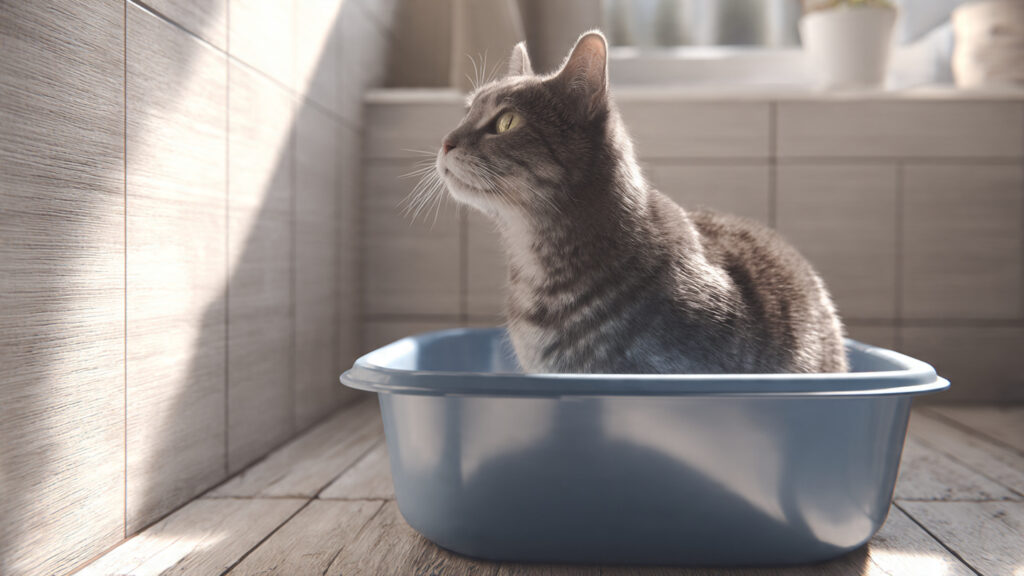
Ensure the litter box you choose is the right size for your cat. It needs to be simple to get in and out. In your home, put it somewhere quiet and out of the way. Your cat is more likely to use the box often if you put it in a good spot.
Keep the Box Clean
Cats like clean things. Every day, clean the litter box to get rid of waste. If the box is clean, your cat is more likely to use it regularly and not have an accident. If the box is dirty, your cat might look for a new place to sleep.
Encourage Being Consistent
If your cat does not like the litter box, be careful when you put them in after they eat or sleep. This helps them get used to going to the same places every day. The habit turns into an unconscious action over time. Being consistent is important for this to work.
Teaching your cat the basics
Learning How to Sit
Slowly move a treat backwards while holding it above your cat’s head. When your cat looks up, it will sit down on its own. Give your cat a treat right away for sitting. Your cat will learn to sit on order if you do it every day.
More Training to Come
When your cat comes when you call its name, please give it a treat. Do this every day until your cat starts to work quickly. This helps you call your cat at home. In an emergency, it is also helpful to have an accurate recall.
Getting ready to stay
Tell your cat to sit, and then raise your hand to tell it to stay. Step back and give your cat a treat if it stays still. Start with short breaks and slowly add more time. To provide this command, you need to be very patient.
Stopping Unwanted Scratching
Provide Scratching Posts
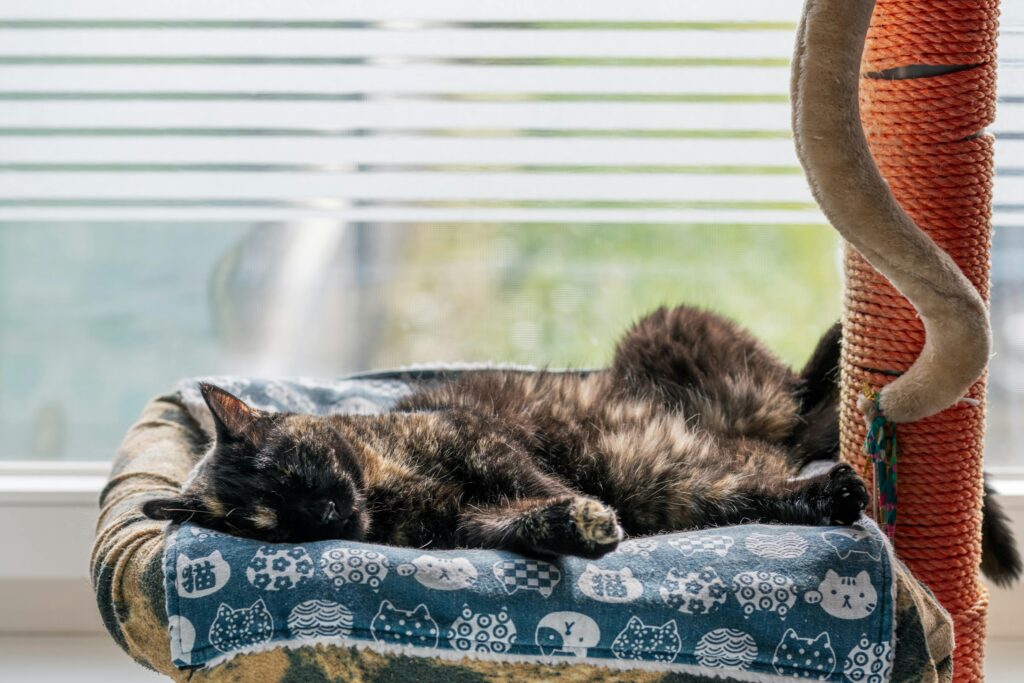
Cats scratch to see who lives where and keep their claws sharp. Give your cat boards or posts to scratch at home. They should be put in places where your cat likes to scratch. This will keep your furniture from getting damaged.
Change How You Act
Move your cat gently to the scratching post if they scratch objects. Give your cat a treat when they use the right spot. This explains how to behave properly. Your cat will soon like the scratching post more than the bed.
Trim Your Cat’s Claws
Trim your cat’s nails often to keep them from scratching things. Scratching is better for furniture and walls when the claws are short. Cutting your cat’s nails also makes it feel better. Care must be taken so as not to hurt your pet.
How to Teach Your Cat to Use a Carrier
Make the carrier feel good
Put toys and a soft blanket inside the backpack. Leave the box open in your home so your cat can look inside it without getting scared. A provider you know makes traveling a lot easier. It also calms them down before going to the vet.
Use Treats and Toys
Putting treats or toys inside the box will help your cat get in. Let them come and go as they please until they feel safe. This step helps your cat feel secure in the cage. The carrier will soon not be scary at all.
Practice Short Trips
Use the case for short trips with your cat. Start with a short amount of time and slowly add more. This makes going to the vet or flying less scary. Exposure over time keeps fear and stress at bay.
Socializing Your Cat
Introducing to People
Let your cat get to know people slowly. Let the cat approach one person at a time and start with them. As a prize for being calm, give treats. Giving your cat good experiences makes it feel safer around new people.
Meeting Other Pets
Do it slowly when bringing your cat to other pets. At first, please keep them in different places. After a while, let them meet with supervision while they get used to it. Slow greetings lessen stress and anger. This helps them get along with each other.
Getting More Confident
Shy cats can gain confidence by playing. Get kids to move around and be curious by giving them dynamic toys. Friendly cats are easy to train and get along with other cats. Your cat will be happy in general if it has confidence.
Training Your Cat with Toys and Games
Interactive Toys
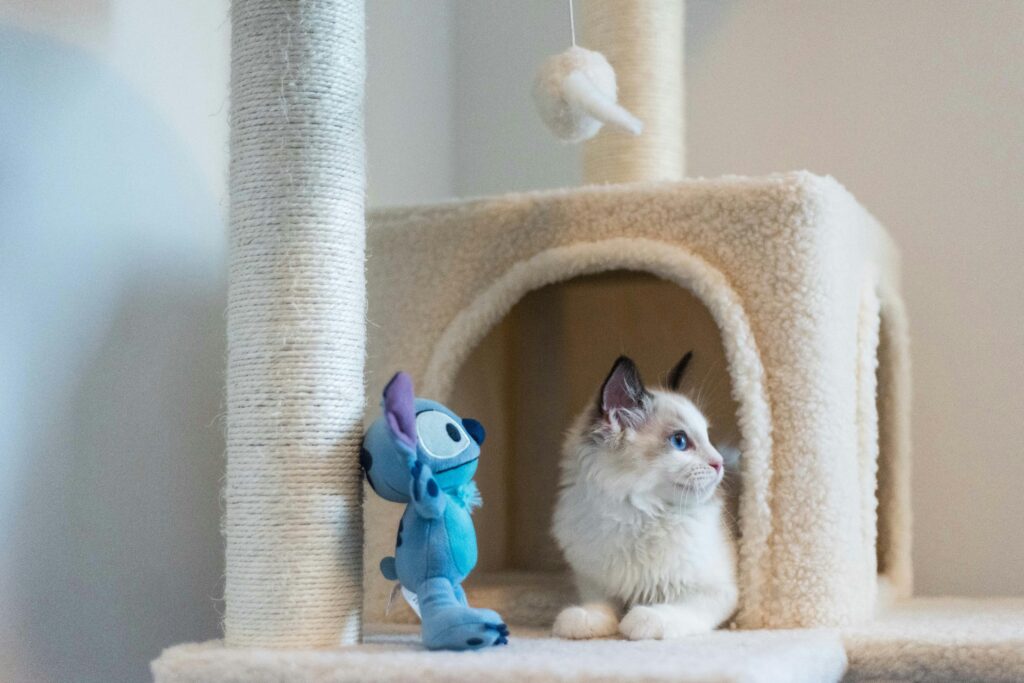
Cats like to play with balls, feather wands, and light pointers. Using toys to train your cat keeps it healthy and helps it learn while it plays. Your cat can also get rid of stress by playing. In general, a cat that plays is happy.
Puzzle Toys for Mental Stimulation
Puzzle toys keep your cat busy and keep its thinking active. Learning when you solve puzzles in exchange for treats is fun and rewarding. These toys keep kids from getting bored and acting out. Physical play is important, but mental play is even more so.
Everyday Play Time
Every day, play with your cat to get rid of stress. Tired cats are calmer and more likely to listen to you when you train them. Every day, play makes your bond stronger and builds trust. It is also good for your cat’s health.
Teaching Cats Not to Bite or Scratch During Play
Recognize Play Signals
When cats get excited, they often scratch or bite. If your cat needs a break, watch for ears that fall flat or tails that move. By recognizing these signs, rough play can be avoided. Playtime is safe and fun when everyone knows the rules.
Turn around with Toys
If your cat tries to bite your hand, give it a toy instead. This shows your cat that toys are fun, not your hands or feet. This stops inappropriate biting over time. It is an easy way to keep from getting scratched.
End Play When Needed
Put down the game and walk away if your cat keeps biting. This lets your cat know that rough play is over. Your cat will soon learn how to play nicer. A good way to teach is to end play quietly.
Training Cats for Grooming
Brushing Regularly
Start with short sessions to get your cat used to being brushed. Give your cat a soft brush and a treat when it stays quiet. Grooming cuts down on hairballs and waste. Plus, it keeps your cat’s fur healthy and shiny.
Practice Cutting Your Nails
Start cutting your nails slowly. Be gentle with your cat’s paws and then give them a treat. Your cat will get used to having its nails trimmed over time. Trimming is stress free if you do it often.
Taking a Bath Without Stress
Most cats do not like water, but sometimes they must be bathed. Talk slowly and use warm water and gentle cat shampoo. A short time spent with you and a treat afterward will help. Being patient makes taking a bath a lot easier.
FAQs
Is it really possible to train a cat at home?
Yes, cats can be trained at home. With patience, consistency, and positive reinforcement, cats can learn commands, routines, and good behavior.
What is the best age to start training a cat?
The best age to start training a cat is 8 to 12 weeks old, but adult cats can also be trained successfully with the right approach.
What is the easiest thing to train a cat first?
Litter box training is the easiest and most important first step. Cats naturally prefer clean spaces, so most learn this quickly.
How long should training sessions be for cats?
Training sessions should be short, about 5–10 minutes, as cats have limited attention spans and learn best in brief sessions.
What training methods work best for cats?
Positive reinforcement works best. Reward your cat with treats, praise, or playtime when it behaves correctly.
Can I teach my cat to respond to its name?
Yes, you can teach your cat to respond to its name by saying it calmly and rewarding the cat whenever it looks at or comes toward you.
How can I stop unwanted behaviors like scratching furniture?
Provide scratching posts, redirect your cat to them, and reward correct behavior. Avoid punishment, as it can create fear and stress.
Can cats be trained to follow basic commands?
Yes, cats can learn simple commands like sit, come, and stay using treats and repetition.
How long does it take to train a cat at home?
Training time varies, but most cats show progress within a few weeks if training is done consistently and patiently.
What mistakes should I avoid when training my cat?
Avoid shouting, punishment, long training sessions, and inconsistency. These can confuse your cat and slow down learning.
Conclusion
Training your cat at home is possible, easy, and fun. Your cat can learn to do fun tricks, use the litter box, follow your orders, and stop doing things you do not want them to do with love and patience. Training your pet makes it behave better and strengthens the bond between you and your pet. If you follow the steps in this guide, your cat will be happy, trained, and sure of itself. Training your cat will pay off for you and your pet friend in the long run. You must train them to have a happy and peaceful life with your pet.