Low-shedding dog breeds is an excellent choice for people who want a companion without constantly dealing with hair loose around the house. While as we know, no dog is completely shed-free, certain breeds of dogs lose less hair due to their unique coat types, breeds and growth patterns. These dogs are often chosen by allergy-sensitive owners and those looking for a cleaner living environment, although they typically require regular grooming to maintain healthy coats. In this article you will understand what makes a dog low-shedding and can help you choose a breed that fits both your lifestyle and grooming expectations.
What Does Low-Shedding Mean?
When a dog is known in the quality of low-shedding, it means the dog loses significantly less hair than the average breed but note it does not mean that it loses no hair at all.
Important Clarification
Low-shedding does NOT mean non-shedding
Some dogs shed at least few hair as part of their natural hair growth cycle.
How Low-Shedding Is Different from Regular Shedding
Regular-Shedding Dogs
Dogs like Labrador Retrievers or German Shepherds have following qualities:
- Shed hair daily.
- loose hair on the floors, furniture, and clothing where ever they sit.
- They often shed more heavily during seasonal changes.
Low-Shedding Dogs
Low-shedding dog breeds have following qualities:
- Lose hair sometimes.
- Shed in little amounts that are often unnoticed by people.
- They do not spread their losse hairs around the home.
Why Some Dogs Shed Less?
1. Hair vs. Fur
Many low-shedding dogs have hairs instead of fur:
- Hair grows continuously as of human hairs.
- Fur grows to a certain length and then falls down.
Example:
1. Poodle is the breed who have hairs that keep growing and little sheeding.
2. Husky have furs so they have heavy shedding.
2. Curly or Wiry Coat Types
Curly or wiry coats naturally have ability to hold hairs preventing it from falling out.
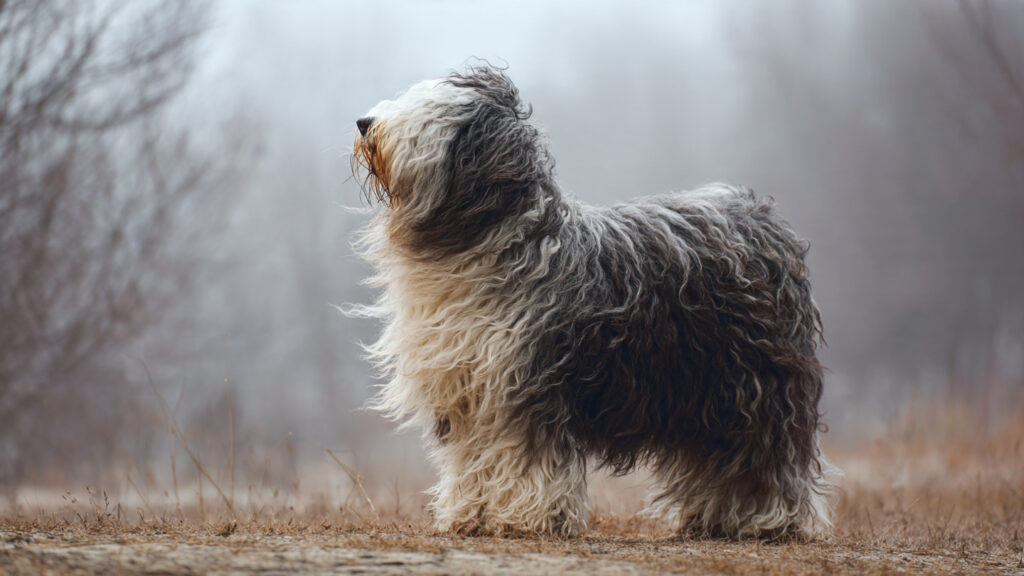
Examples:
- Bichon Frise: They have curly coat that holds hairs and prevent from shedding.
- Schnauzer: They have wiry coats so they sheds very little.
3. Slower Hair Growth Cycle
Low-shedding breeds often have a longer hair growth cycle means hair falls out very less.
Benefits:
- We get less visible shedding.
- We get fewer loose hairs around the house.
- They need for grooming to remove their trapped hairs.
A Common Misunderstanding: Low-Shedding vs. Hypoallergenic
Low-shedding dogs are often misunderstood as hypoallergenic, but this is not accurate.
Why the Confusion Exists
- Less shedding usually means they are less dander spread.
- Dander is not hair it’s mean the main allergy trigger.
The Reality
- Low shedding have ability to reduce allergy symptoms.
- But it does not guarantee allergy-free living
Example:
A Maltese sheds very little, but still produces dander and saliva that can affect the allergy sufferers.
What Low-Shedding Means for Dog Owners
Low shedding for dog owners means they get following in their house.
- They get less hairs on furniture and clothes.
- They need more grooming responsibility.
Low-shedding dogs usually require:
- Regular brushing on their coat.
- Professional grooming after every few weeks
Popular Low-Shedding Dog Breeds
Poodle
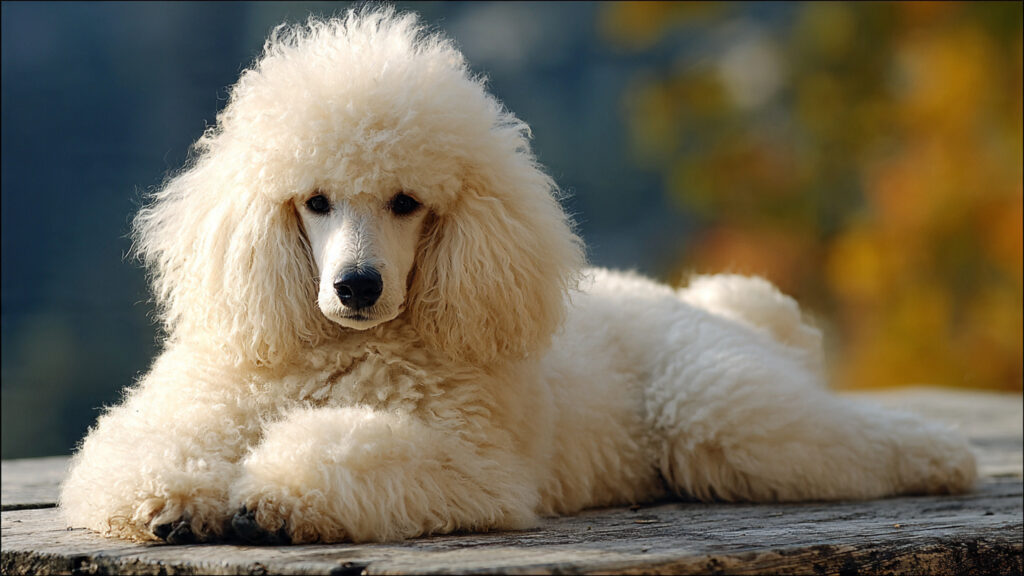
Poodles are one of the most well-known low-shedding dog breeds and are often used as important breed for many popular owners of low-shedding mixes, such as Labradoodles and Goldendoodles.
Why Poodles Shed So Little
Poodles have hairs rather than fur, so this means their coat grows continuously instead of shedding seasonally. Loose hairs tend to stay trapped within their curls that’s why they do not fall onto furniture or clothing.
Benefits:
- Hair loss is very less.
- Shedding of hairs is not seasonal.
- Homes stays very cleaner as compared to heavy-shedding breeds home.
Coat Type and Grooming Needs
Poodles have very dense and curly coat that requires very often grooming.
Grooming requirements include:
- Brushing several times per week is very important for the dog.
- Professional grooming every 4–6 weeks is very important.
- Regular bathing to reduce dander buildup is very important.
Sizes of Poodles
Poodles have three different sizes and they all are low-shedding:
- Toy Poodle: This size is ideal for apartments and small spaces.
- Miniature Poodle: This size is well balances and full of energy.
- Standard Poodle: This size is larger, athletic, and great for active families.
Temperament and Trainability
Poodles are known for their good intelligence and their curiosity to learn. They understand the training and adapt well to various lifestyles.
Common personality traits include:
- They are very friendly and affectionate.
- They are highly trainable and have ability to learn new.
- They are good with children and other pet animals.
Example:
They are good for active family because shedding is minimal, the dog is intelligent and easy to train, and grooming keeps the coat healthy and clean.
The Bichon Frise is a small dog known for its fluffy white coat, cheerful beauty, and has very low shedding. They have cloud-like appearance, this breed sheds far less than many dogs, making it a popular choice for people who want a cleaner home or have some allergies.
Bichon Frise
Coat Type and Shedding
The Bichon Frise has a soft, curly, double-layer coat.
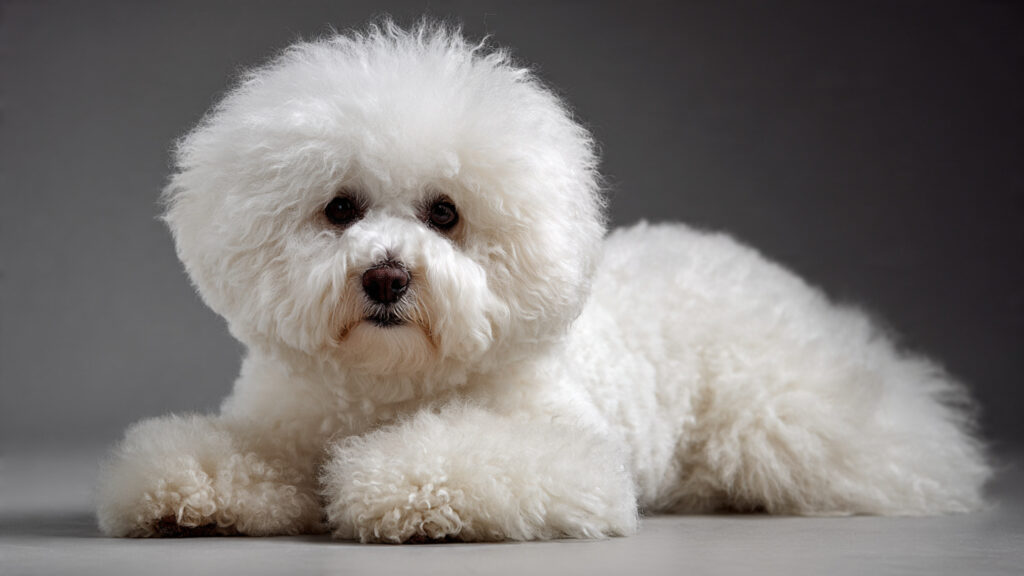
- They grows continuously as they have curly hairs.
- Their hairs Falls out very slowly.
- Their hairs gets trapped in the curls instead of spreadingon furniture or floors
Grooming Requirements
Low shedding does not mean low maintenance. A Bichon Frise requires:
- They require brushing at least 3–4 times per week.
- They require professional grooming every 4–6 weeks.
- They require regular bathing to keep the white coat clean and reduce dander.
Temperament and Lifestyle Fit
Beyond shedding, the Bichon Frise is well-loved because of its personality:
- They are friendly and affectionate.
- They are good with children and other pets.
- They are suitable for apartments or small homes.
- They have moderate energy level.
Example
- A Labrador Retriever sheds loose fur daily, leaving hair on couches, clothes, and floors.
- A Bichon Frise loses hair gradually, but the curls hold onto it until brushing time.
Is the Bichon Frise Hypoallergenic?
While no dog is completely hypoallergenic, the Bichon Frise has following qualities:
- They produces less dander.
- They sheds very little hair.
- Is often better tolerated by allergy sufferers
Portuguese Water Dog
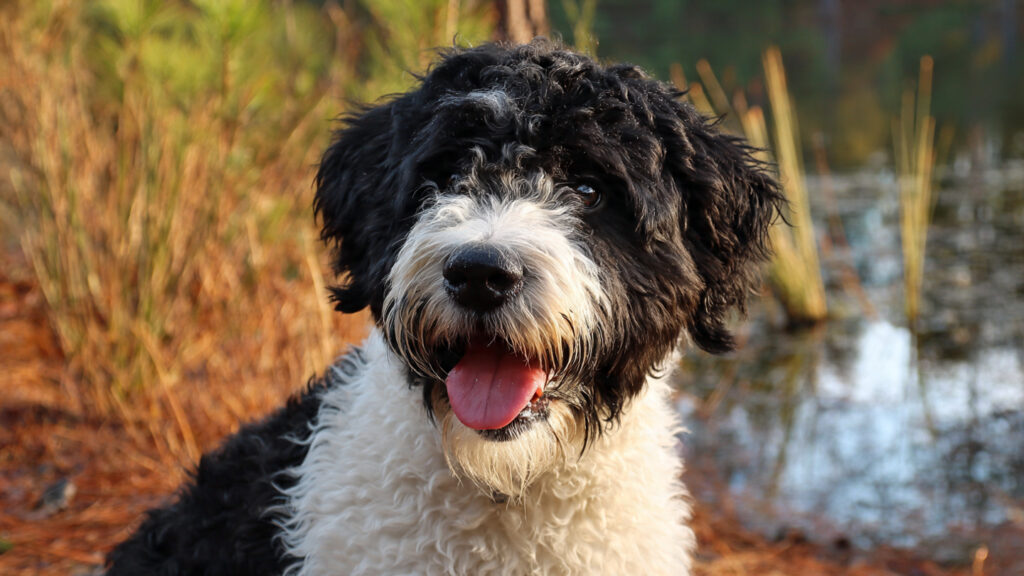
The Portuguese Water Dog is a well-known low-shedding breed, they are good for people who want a dog that does not leave hair all over the house.
1. Coat Type: The Key to Low Shedding
Curly or Wavy Hair
Portuguese Water Dogs have hairs.
- Their hairs grows continuously similar to human hairs.
- Their hairs falls out very less.
- Their hairs traps loose hairs within the coat instead of releasing them into the environment.
Benefits:
Minimal hair on furniture, clothing, and floors.
2. Shedding vs. Grooming
Low Shedding
Although they shed very little they require:
- Their require regular brushing 2–3 times per week.
- Their requires professional grooming every 6–8 weeks.
If grooming is neglected then the hair can:
- Matt easily and can attract disease for owners.
- Trap dirt and moisture that’s not visibly good.
- This can cause skin irritation.
3. Coat Styles and Shedding Control
Common Haircuts
Portuguese Water Dogs are often kept in:
- Lion Clip is a traditional working cut for this dog.
- Retriever Clip is short but it can even trim all over.
Both styles help manage:
- It can help in matting that results from not brushing.
- It can help in dirt buildup that results from not grooming.
- It can help in dander retention because of not grooming.
Example:
If Portuguese Water Dog kept in a retriever clip and brushed weekly will shed so little that you may not notice hair loss at all.
4. Allergy Considerations
They are good for allergy sufferers because:
- Less hair is released into the air that is a good point for allergy sufferers.
- Dander stays trapped in the coat until brushed out.
However:
- Not any dog is 100% hypoallergenic.
- Every individual allergy reactions vary because of saveral reasons like immunity.
Example
A family lives in a home and like hiking and swimming. They choose a Portuguese Water Dog because:
- The dog sheds very little hairs in the house.
- They loves water and outdoor activities.
- Regular grooming is very important for them.
Schnauzer
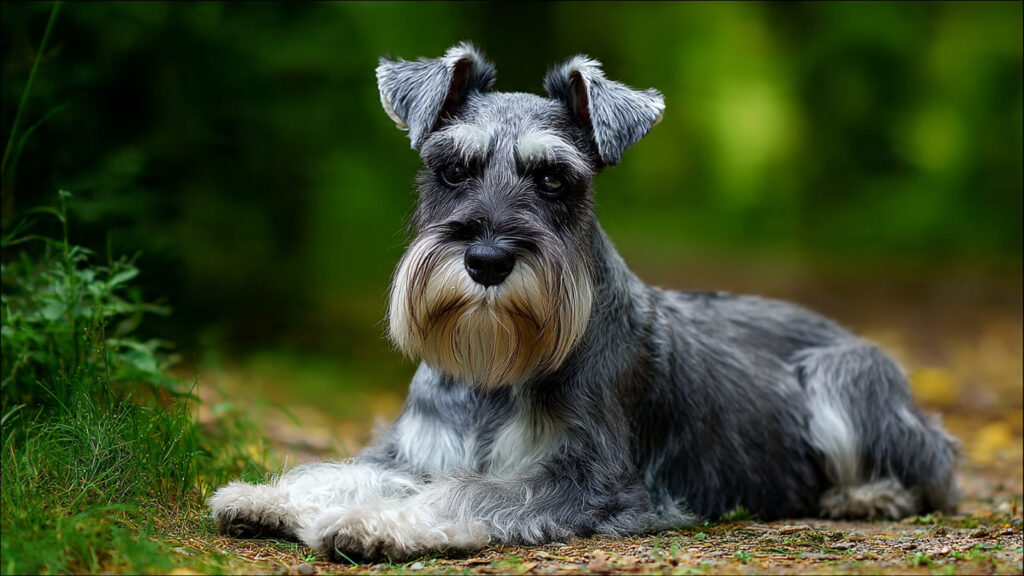
Schnauzers are one of a low-shedding dog breed due to their unique coat type and grooming needs. They have three sizes Miniature, Standard, and Giant but all have same coat characteristics.
Coat Type: Why Schnauzers Shed So Little
Schnauzers have a double-layer coat:
- Outer coat: This part is coarse and rough.
- Undercoat: This part is soft and dense.
Grooming and Maintenance
Low shedding in this breed does not mean low maintenance.
Schnauzers requires:
- They require regular brushing 2–3 times per week.
- They require professional grooming every 6–8 weeks. They either require traditional clip.
Temperament and Lifestyle Fit
Schnauzers are known for being:
- They are alert and intelligent.
- They are loyal and protective.
- They are energetic, especially Miniature and Standard Schnauzers
Example
Imagine two dogs living in the same home:
- Golden Retriever: This dog sheds daily, especially during seasonal coat changes.
- Miniature Schnauzer: This dog sheds very little, with most hair removed during grooming sessions.
Are Schnauzers Good for Allergy Sufferers?
Schnauzers are often recommended for people with mild dog allergies because:
- Less shedding means less dander will spread.
- Their body coat holds allergens until washed or brushed. So it is very important and good for allergy sufferers.
Maltese
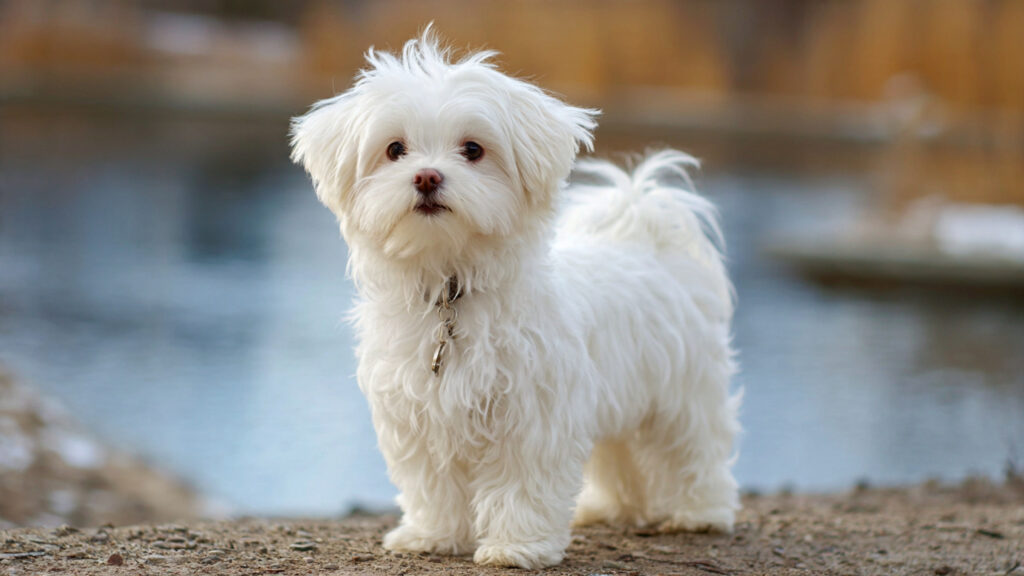
The Maltese is a small toy breed and is known for its long, white, silky coat and beautiful look. Because of long coat of hairs the Maltese is considered as low-shedding dog and is often chosen by people who want a dog with less hair spread around the home.
Why the Maltese Is Low-Shedding
Hair Instead of Fur
Maltese also hairs instead of furs.
- They have hairs that grows continuously similar to human hairs.
- It does not have heavy seasonal shedding cycle.
- This breed has less hairfall.
Coat Characteristics
Long, Silky Coat
- They have single layer coat rather than multi coat.
- They have straight and silky texture.
- They are naturally low shedding when well maintained.
Grooming Needs
Daily or Regular Grooming Required
Low shedding does not mean low maintenance.
The Maltese requires following for good look and health:
- Brushing is very important.
- Regular bath is very necessary.
- Professional grooming if the coat is kept long to keep the allergns away.
Example
Imagine two homes:
- Home A they have Golden Retriever:
- Dog hair on furniture
- Seasonal shedding
- Frequent vacuuming is needed.
- Home B they have Maltese:
- Minimal hair on couches and clothes
- Hair mostly removed during brushing
- Cleaner indoor environment
Maltese and Allergies
Are Maltese Dogs Hypoallergenic?
Maltese are good for people who are not much responding to allergies.
Reasons they are good for allergic people:
- Less shedding means less dander spread.
- They have no undercoats that trap allergens.
- Regular grooming is easy for them.
Ideal Owners for a Maltese
- People who live in apartments.
- Seniors or individuals who are wanting a dog.
- People who want a small, beautiful, and low-shedding dog.
Lagotto Romagnolo
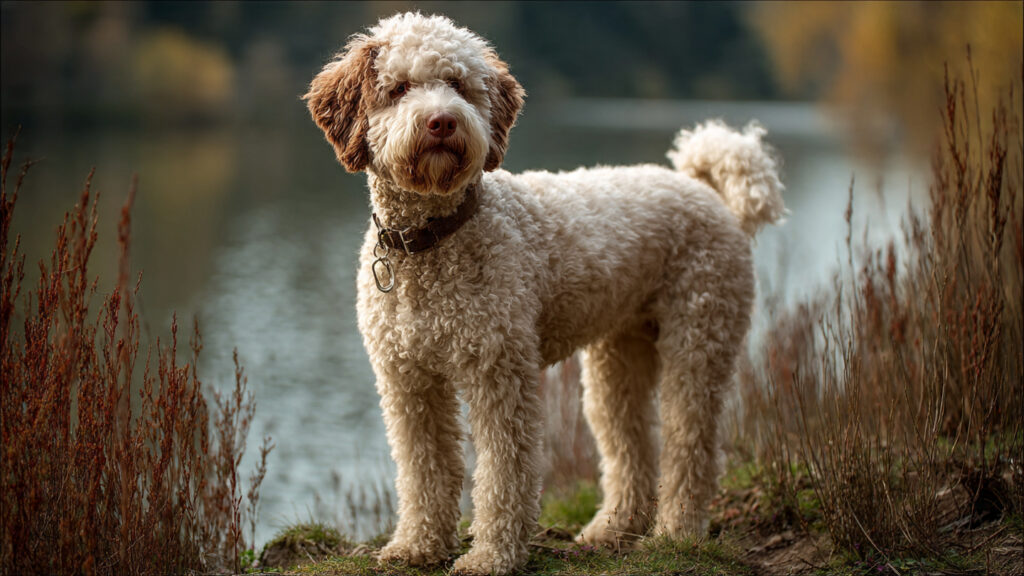
The Lagotto Romagnolo is a medium-sized dog came first from Italy. Today, it is valued not only for its working ability but also for its low-shedding, curly coat, making it a good choice for people looking for a cleaner home environment.
Coat Type and Shedding Characteristics
The Lagotto Romagnolo has a beautiful, curly, wool-like coat that sheds very little.
Why It Sheds Less
- Curls help in trapping loose hair instead of spreading in home.
- The coat around this breed body continuously grows.
Grooming Requirements
As we know this shedding is less in this breed so they still needs grooming.
Grooming Needs
- Brushing regularly is important to prevent from mating but during brushing they will shed hairs.
- They need professional grooming when you feel necessary.
- But you can trim it occasionally according to your needs.
Temperament and Lifestyle Fit
The Lagotto Romagnolo have following qualities:
- They are intelligent and highly trainable.
- They are very affectionate with family members.
- They are energetic but not hyperactive.
This makes the breed good option for:
- Families
- Owners who want companion pet.
- Homes where pets are mentally stimulated.
Allergy Considerations
They are good for people with mild allergens:
- Less shedding in this breed this means less dander spread
- You can reduce allergens with proper grooming habit.
Example:
A family who want a dog with following qualities as described:
- Do not have very much hair fall.
- Dog that are good for children.
- A dog that enjoys outdoor activities.
Soft Coated Wheaten Terrier
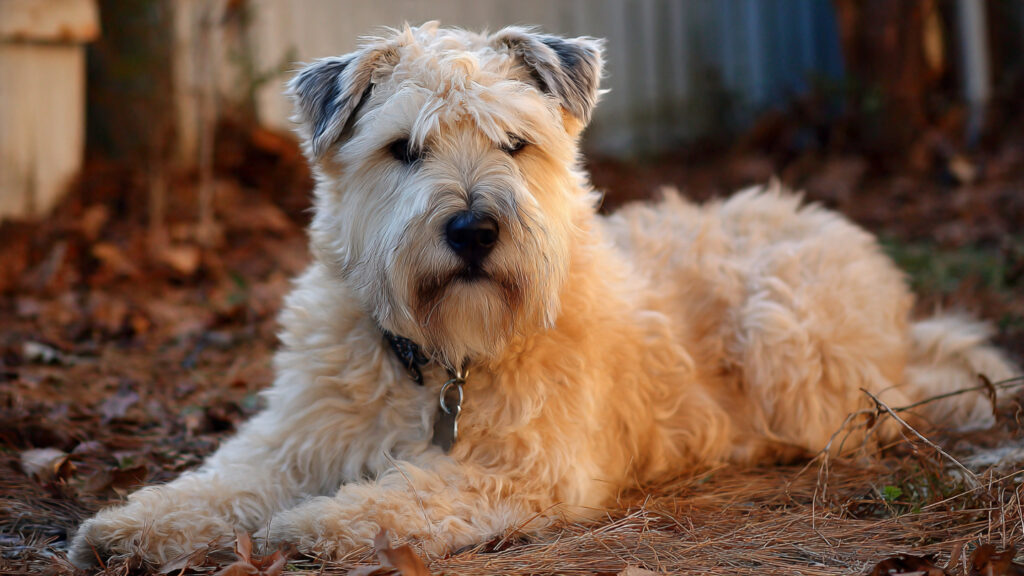
The Soft Coated Wheaten Terrier is a medium dog known for its friendly nature and beautiful soft, flowing coat. Unlike many terriers, this breed sheds very little, making it an important choice for people looking for a low-shedding companion.
Coat Type and Shedding
The Wheaten Terrier has a single-layer coat made of soft, silky hair.
Why this matters:
- Single coats shed less hairs.
- Their loose hairs trapped in coat naturally.
- Their hairs continuosly grows.
Grooming Requirements
They also need regular grooming.
Regular care includes:
- Regular brushing is very important.
- Grooming by professional according to the need is very important.
- Bathing is also very important.
Temperament and Lifestyle Fit
Soft Coated Wheaten Terriers have following qualities:
- They are playful and energetic.
- They are very loving with family members.
- They are very good with children.
- They are less aggressive than anyother breeds.
Example:
A family living in a village home wants a dog that does not leave hair all over the couch and enjoys playing with kids. They choose a Soft Coated Wheaten Terrier. This dog who sheds sometimes, the family also do regular brushing and monthly grooming appointments. And they enjoy a clean home and a beautiful loving companion.
Is This Breed Right for You?
This dog breed is good for you:
- If you want a low shedding dog.
- If you are willing to take dog to groomer.
FAQs
Are low-shedding dogs completely non-shedding?
No. They shed in small amount.
Do low-shedding dogs require less grooming?
No, they require regualr grooming.
Are low-shedding dogs hypoallergenic?
Not necessary.
Are low-shedding dogs good for apartments?
Yes they are well suited for apartments.
Do low-shedding dogs still leave hair on furniture?
They have very less hair shedding.
Conclusion
For those who want to have dog that spread less hair in their home without sacrificing the company of a dog, low-shedding dog breeds are a great choice. Dogs with curly, wiry, or constantly developing coats typically shed significantly less than other breeds, while there is not any breed that is entirely non-shedding. Keep in mind that decreased shedding often require more grooming. To keep these coats healthy and free of mats, regular brushing, bathing, and expert grooming are essential. Furthermore, it is always a good idea to spend some time with the dog before adopting because low shedding. The ideal low-shedding dog will ultimately depend on your grooming dedication, activity level, and lifestyle.