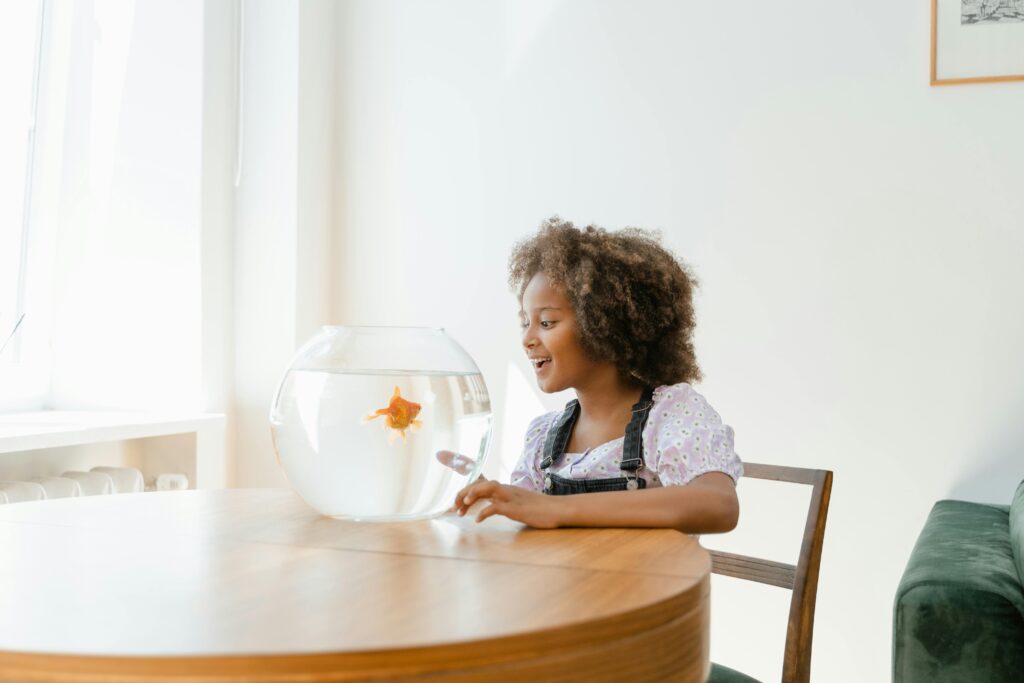
Finding the right pet for a small space can be exciting and hard. Many people who live in small homes or flats think they cannot enjoy having pets. However, many pets do well in small areas, making people happy without a big backyard. How you live, how much time you have, and how much care you can give all affect your chosen pet. From low-maintenance animals to affectionate companions that adapt well to indoor living, there are plenty of pet options suitable for small homes. Factors such as space requirements, noise levels, activity needs, and ease of care play an important role in making the right choice. Whether you live in a studio apartment or a small family flat, the right pet can bring comfort, companionship, and happiness without overwhelming your living space. This article discusses the best pets for small homes, what makes each special, and how to keep them healthy and happy.
Why Small Homes Need Special Pet Choices
You must be more careful about what kind of pet you get when living in a small area. Not every animal can live in a small place, but many small, simple to handle pets can.
Limited Living Space
Small homes usually have fewer rooms and limited floor space, which can make it difficult for large or highly active pets to move around comfortably. Pets that need plenty of room to run, jump, or play may feel stressed or frustrated in tight spaces.
Example:
A large dog breed that requires daily indoor play may struggle in a studio apartment, while a small dog, cat, hamster, or fish can live happily without needing much space.
Noise and Neighbor Considerations
In apartments or closely packed homes, noise travels easily through walls. Pets that are very vocal or active at night may disturb neighbors and create unnecessary stress for the owner.
Example:
A calm cat or a quiet pet like a turtle or fish is usually a better choice than a pet that barks loudly or makes frequent noise.
Easy Maintenance and Cleanliness
Small homes can get messy quickly. Pets that shed heavily or require large cages and frequent cleaning may make the space feel crowded and unhygienic.
Example:
Short-haired cats, small birds, or low-shedding dog breeds are easier to manage and help keep the home clean and organized.
Indoor Lifestyle Compatibility
Many small-home owners spend more time indoors, and some pets adapt better to an indoor-only lifestyle. Choosing a pet that doesn’t need constant outdoor access is important.
Example:
Indoor cats, rabbits, or aquarium fish are well-suited for small homes because they can stay healthy and entertained indoors.
Owner’s Daily Routine
Small-home living often goes hand in hand with busy schedules. Pets that are independent or require minimal supervision are usually a better fit.
Example:
A cat or a pair of fish can manage well during the day, while pets that need constant attention may become anxious when left alone.
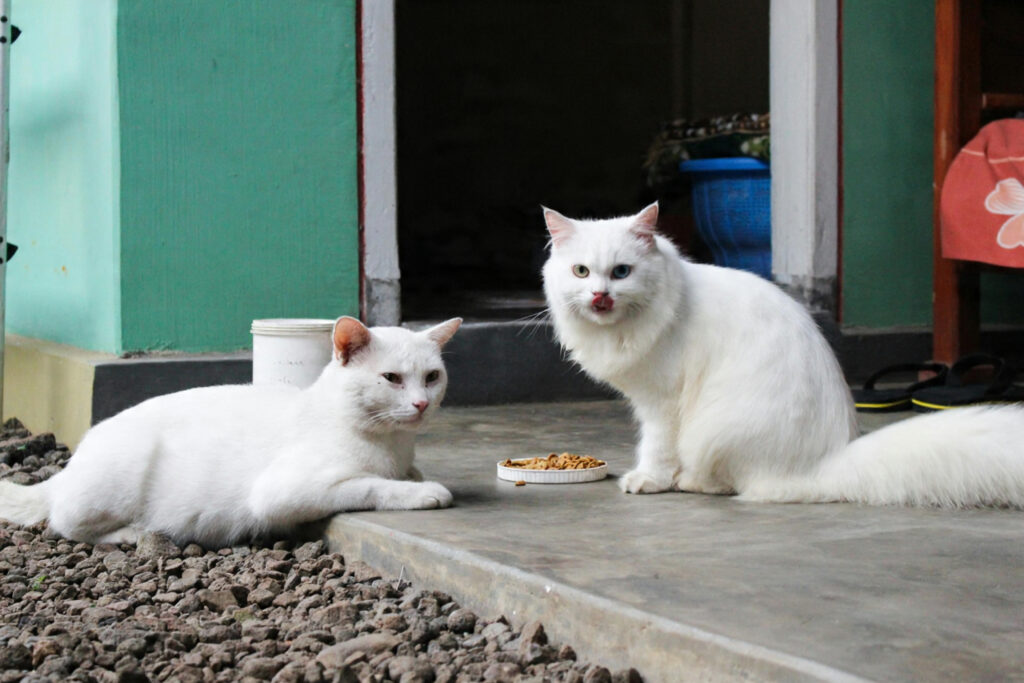
Cats: Independent Companions for Small Homes
Cats are great pets for apartments and small homes. They live independently, are clean, and can easily get used to living in an apartment. Cats bring love and happiness without taking up much space because they are calm and playful.
Independent Nature — Easy to Care For
One of the biggest reasons cats are ideal for small homes is that they are naturally independent. Unlike some pets that need constant attention, many cats can:
Use a litter box indoors (so there’s no need for outdoor walks)
Entertain themselves with toys or window views
Rest comfortably when you’re not home
Adaptability to Small Spaces
Cats don’t need a yard or lots of room to run — they adapt well to indoor life. Even a small apartment can be a happy home for a cat if you provide:
- A cozy bed
- A scratching post
- A few interactive toys
Quiet, Loving Companions
Cats offer affection and companionship without being overwhelming. Many cats are calm and quiet, meaning they won’t disturb neighbors or take up too much space with noise or activity.
They can also bond closely with their owners — curling up beside you on the couch or following you from room to room for company.
Example:
When Raju sits reading in his small living room, his cat Simba often jumps onto his lap and relaxes — offering comfort without needing a big space or constant playtime.
Small Dog Breeds: Loyal Friends for Compact Living
Dogs can live well in small homes if you pick the right breed. Smaller breeds are friendly, playful, and good at living in small areas.
Why Small Dog Breeds Are Perfect for Small Homes
Small dogs require less physical space compared to larger breeds. They can comfortably move around in limited areas and do not need large yards to stay happy. With proper daily walks and indoor play, they remain healthy and active even in small homes.
Strong Loyalty and Emotional Bond
Despite their size, small dog breeds are known for their deep loyalty and affection. They enjoy staying close to their owners and often form strong emotional bonds. This makes them perfect companions for individuals, couples, or elderly people who spend a lot of time indoors.
Easy to Manage and Care For
Small dogs generally need less food, smaller accessories, and lower grooming costs. Their care routine fits well into busy urban lifestyles. Training is also easier because they adapt quickly to indoor rules and routines.
Suitable Temperament for Indoor Living
Many small dog breeds have calm and friendly temperaments, making them well-suited for indoor environments. They are usually less intimidating to visitors and can coexist peacefully with children or other pets when trained properly.
Examples of Small Dog Breeds for Compact Living
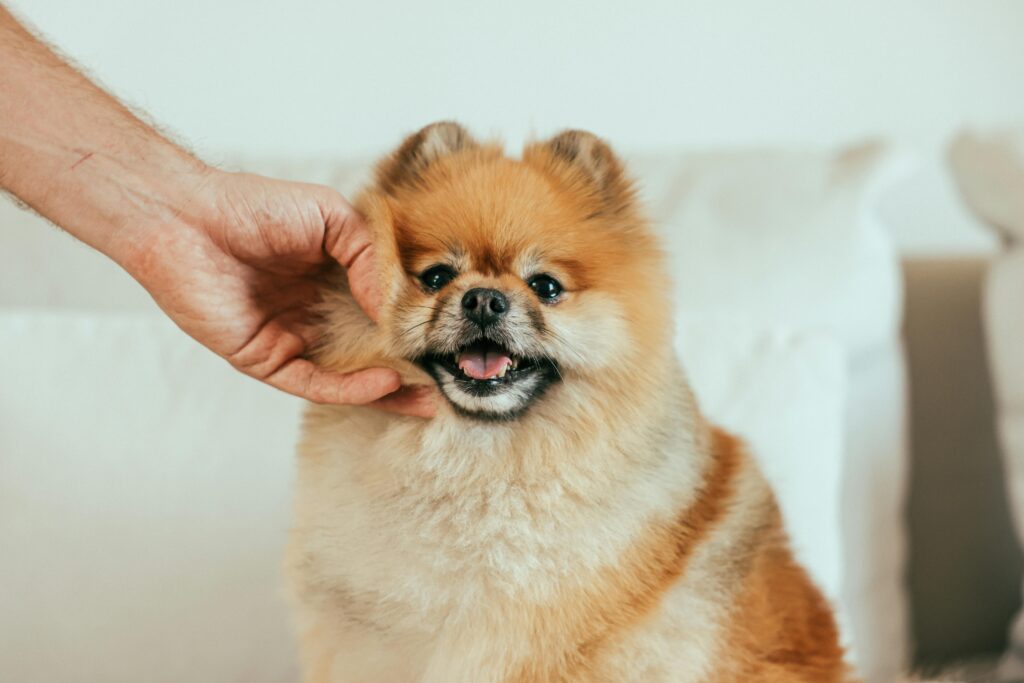
- Pomeranian – A lively and affectionate breed that loves human interaction and adjusts well to apartment living.
- French Bulldog – Quiet, friendly, and low-energy, making it ideal for small homes.
- Shih Tzu – Known for its gentle nature and love for indoor comfort.
- Chihuahua – Extremely loyal and adaptable, thriving in small spaces with close owner companionship.
Rabbits: Gentle Pets for Cozy Homes
Rabbits are friendly, quiet, and simple to care for in small spaces. They can live happily in a cage inside or a safe playpen outside.
Space and Housing Requirements
Rabbits can live comfortably indoors in a small home if their space is well organized. A rabbit enclosure can be placed in a corner of a room without disrupting daily activities. Soft bedding, a litter box, and chew toys are usually all they need.
Example:
A family living in a one-bedroom apartment can keep a rabbit in a spacious indoor pen near the living area. The rabbit can roam freely for a few hours each day while the family is home, then return safely to its enclosure.
Low Maintenance and Clean Habits
Rabbits are relatively easy to care for and can be litter trained, just like cats. This helps keep small homes clean and odor-free. Regular cleaning of their litter box and feeding area is usually enough to maintain hygiene.
Diet and Daily Care
Rabbits mainly eat hay, fresh vegetables, and a small amount of pellets. Their diet does not require refrigeration or special storage space, which is ideal for small kitchens. Fresh water and daily feeding routines are simple and affordable.
Gentle Companions for Indoor Living
Rabbits are social animals and often enjoy human interaction. They can form strong bonds with their owners and are content living indoors. Their calm and affectionate nature makes them excellent companions for individuals, couples, or families with limited space.
Example:
A work-from-home professional can keep a rabbit nearby during the day. The rabbit can rest quietly while the owner works and enjoy gentle playtime during breaks.
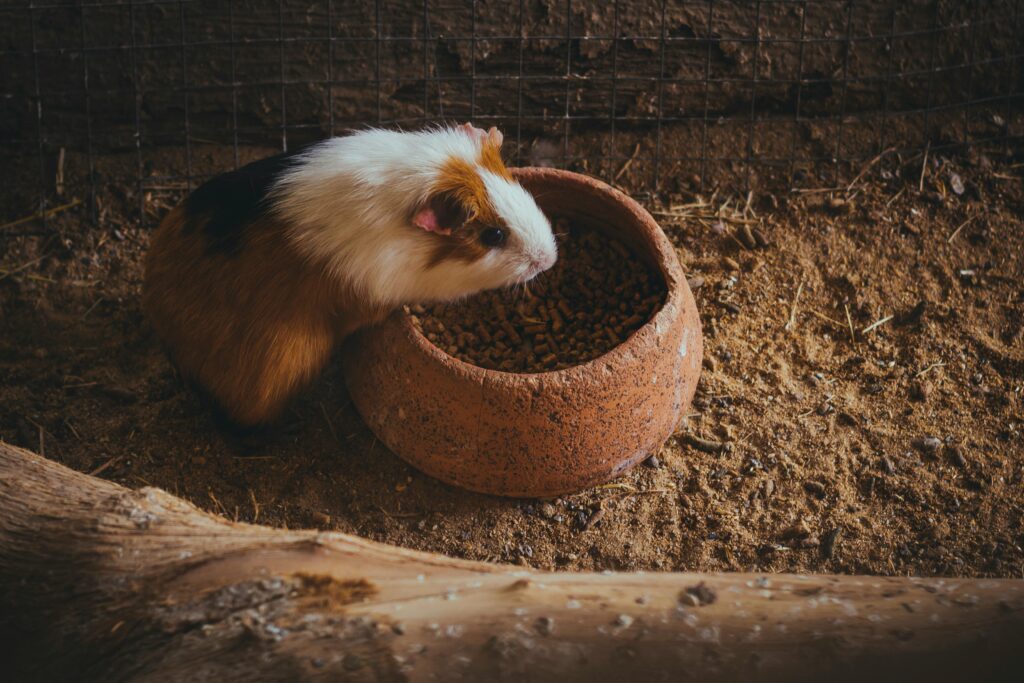
Guinea Pigs: Playful Yet Easy to Manage
Guinea pigs are small pets that are very friendly and love being with people. They are great for people who do not have a lot of room but still want a pet with charm.
Playful and Social Nature
Guinea pigs are naturally curious and enjoy interacting with their surroundings and their owners. They love exploring tunnels, running through open spaces, and playing with chew toys. Unlike some small pets, guinea pigs are active during the day, which makes them more engaging for families.
Example:
A guinea pig may happily run through a cardboard tunnel or popcorning (small joyful jumps) when excited, especially during playtime or when they see their owner approaching with food.
Easy to Handle and Gentle
Guinea pigs are known for their calm and friendly temperament. They rarely bite and are easy to handle when picked up properly. This makes them a good choice for children under supervision and first-time pet owners.
Example:
With regular gentle handling, a guinea pig will become comfortable sitting on your lap while you pet it or offer fresh vegetables by hand.
Simple Housing Requirements
Guinea pigs do not need complex housing setups. A spacious cage with clean bedding, fresh hay, water, and a hiding area is enough to keep them comfortable. Regular cleaning helps maintain hygiene and prevents odor.
Example:
A cage placed in a quiet, well-ventilated room with soft bedding and a small hideout allows the guinea pig to rest and feel secure.
Low Maintenance Diet
Their diet is straightforward and affordable. Guinea pigs mainly eat hay, fresh vegetables, and a small amount of specially formulated pellets. They also need vitamin C, which can be provided through fresh foods like bell peppers.
Example:
Feeding a guinea pig fresh grass hay daily along with vegetables such as carrots or cucumbers keeps it healthy and energetic.
Suitable for Busy Lifestyles
While guinea pigs enjoy attention, they do not demand constant supervision. With a proper routine for feeding, cleaning, and playtime, they are easy to manage even for people with busy schedules.
Example:
An owner can spend 15–20 minutes a day interacting and playing with their guinea pig while still ensuring the pet remains happy and well cared for.
Fish: Relaxing Pets for Small Spaces
A fish tank can make a small house look bigger. They are beautiful and do not take up much space on the floor.
Why Fish Are Ideal for Small Spaces
Fish do not need large living areas to thrive. A well-maintained aquarium fits easily on a table, shelf, or corner stand. Unlike cats or dogs, fish do not require outdoor space, making them perfect for urban lifestyles. Their compact habitat allows pet owners to enjoy animals without overcrowding their living area.
Stress-Relieving and Calming Effect
Watching fish swim gently in an aquarium has a soothing effect on the mind. The slow movements of fish and the sound of bubbling water can help reduce stress, anxiety, and mental fatigue. Many people keep aquariums in bedrooms or offices because they create a peaceful and relaxing environment.
Easy Maintenance with Proper Setup
Fish are relatively easy to care for when their tank is set up correctly. A basic aquarium with a filter, clean water, and proper feeding schedule is usually enough. Regular tasks include feeding once or twice a day and cleaning the tank weekly or bi-weekly. Compared to other pets, fish require less time and physical effort.
Affordable and Customizable Pet Option
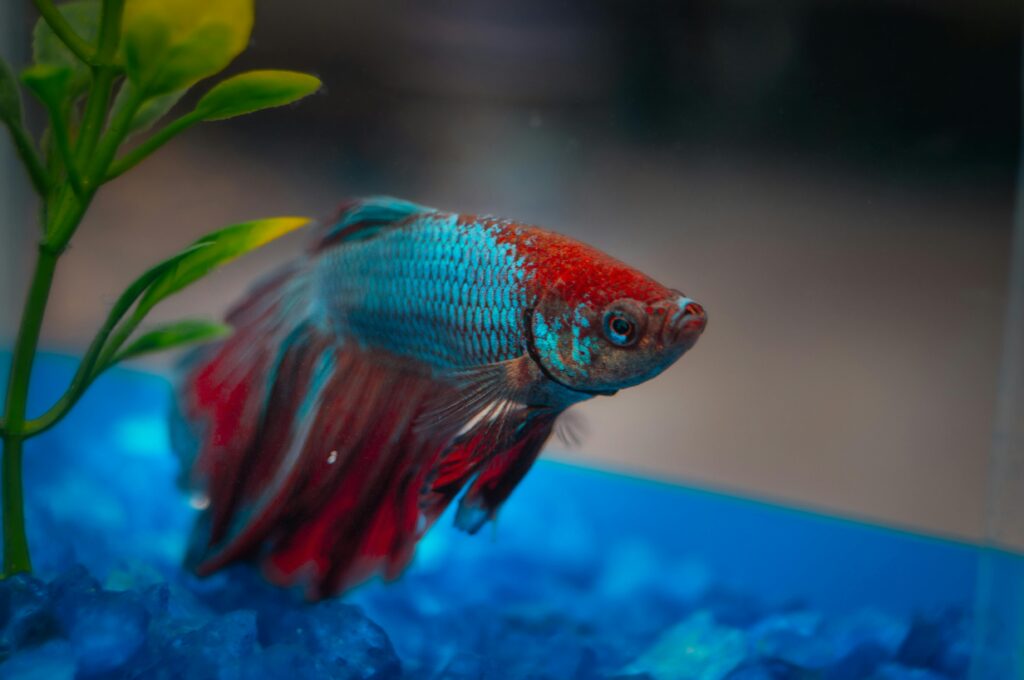
Fishkeeping can suit different budgets. Small tanks and beginner fish like goldfish, guppies, or bettas are affordable and widely available. Aquariums can also be customized with colorful gravel, plants, and decorations, allowing owners to create a beautiful and personal mini-ecosystem in their home.
Example: Betta Fish in a Small Apartment
A betta fish is an excellent example of a relaxing pet for small spaces. It can live comfortably in a small, well-filtered tank placed on a desk or side table. Its vibrant colors and graceful swimming make it visually appealing, while its minimal care needs make it ideal for beginners or busy individuals.
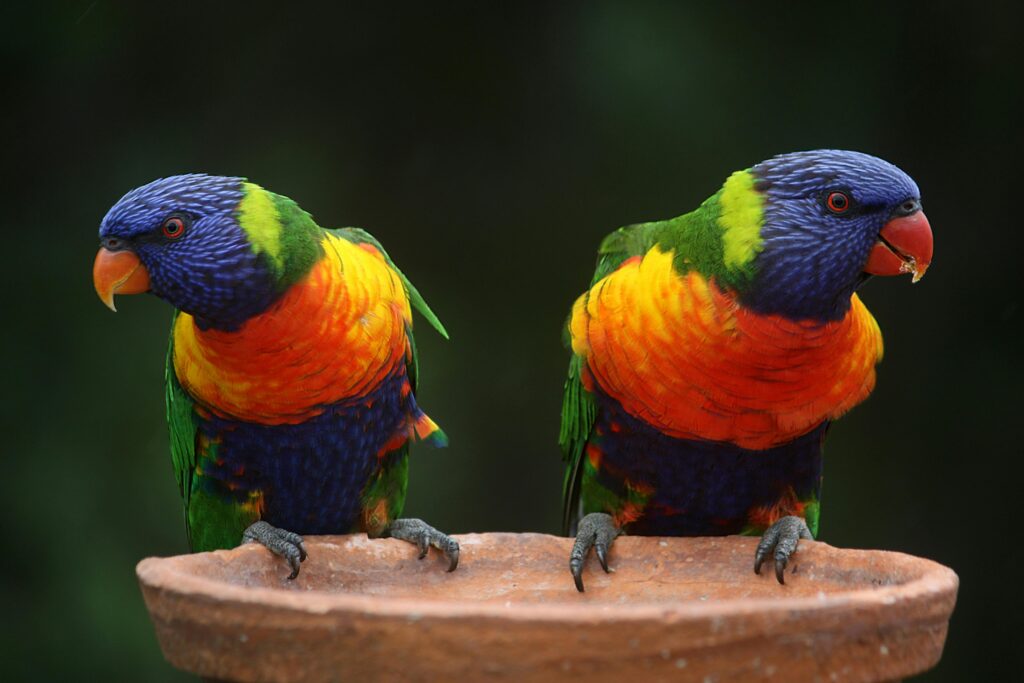
Birds: Colorful Pets for Limited Spaces
Birds make small homes livelier and more musical. They usually do well if they are kept in a box.
Ideal Size for Small Homes
Most pet birds, such as budgies, canaries, finches, and cockatiels, are small and can live comfortably in a cage placed in a corner of a room or near a window. Unlike cats or dogs, birds do not need open floors or outdoor yards to stay active.
Example:
A pair of budgies can live happily in a medium-sized cage placed in a living room, making them perfect for apartment dwellers.
Bright Colors and Visual Appeal
Birds are known for their beautiful feathers in shades of green, yellow, blue, red, and white. Their colorful appearance adds life and beauty to indoor spaces, almost like living décor.
Example:
A yellow canary or a blue-and-white budgie instantly brightens a room with its vibrant feathers and lively movements.
Minimal Space, Maximum Interaction
Even in limited spaces, birds can be social and interactive. They enjoy human company, respond to voices, and some species can even learn simple words or tunes. Short, supervised time outside the cage is usually enough to keep them happy.
Example:
A cockatiel sitting on its owner’s shoulder while they work or relax shows how birds can bond closely without needing much space.
Easy to Manage Indoors
Bird cages are easy to clean and maintain, and birds produce less mess compared to larger pets. With proper placement and regular care, they fit well into small living environments.
Example:
A finch cage placed near a window allows the bird to enjoy natural light while staying safely indoors.
Calm and Soothing Companions
Birds often create a peaceful atmosphere with their gentle chirping and singing. This makes them especially suitable for small homes where loud or active pets may feel overwhelming.
Example:
The soft singing of a canary in the morning can create a relaxing and pleasant start to the day in a small apartment.
Hamsters: Tiny Companions for Small Homes
Hamsters are small pets that are very active and do not need much room. They make great pets for kids or people who want something easy to care for.
Compact Size Makes Them Ideal for Small Spaces
Hamsters are tiny creatures, usually measuring only 2–6 inches in length, depending on the species. Unlike larger pets such as dogs or cats, they don’t require a lot of floor space.
Example:
You can easily place a hamster cage on a desk, shelf, or corner of your room. A standard cage measuring about 24 inches by 12 inches is enough to keep a hamster comfortable and active.
Low Maintenance Requirements
Hamsters are relatively easy to care for. They don’t need daily walks, grooming, or extensive supervision. Their primary needs include a clean cage, fresh water, and food, along with occasional playtime outside their cage in a safe environment.
Example:
A small apartment resident can manage a hamster’s care during work hours without disruption. Cleaning the cage once a week and providing fresh bedding is sufficient to keep your hamster healthy and happy.
Independent Yet Entertaining
Hamsters are independent pets that enjoy exploring, running on exercise wheels, and burrowing. They can provide entertainment and companionship without being overly demanding.
Example:
Setting up tunnels, chew toys, and a small exercise wheel in their cage allows hamsters to stay active and engaged. Watching a hamster run in its wheel or explore a tunnel can be relaxing and enjoyable for their owners.
Affordable and Space-Saving Entertainment
Hamsters are economical pets compared to larger animals. Their food, toys, and bedding are affordable, and their small size means they require minimal space.
Example:
A hamster cage with a wheel, water bottle, food dish, and bedding can fit on a small table, making it perfect for a studio apartment or a small bedroom.
Perfect First-Time Pets
For children, students, or anyone living in a small home, hamsters are a great introduction to pet ownership. They teach responsibility while being low-maintenance and safe.
Example:
A college student living in a dorm can enjoy the companionship of a hamster without worrying about space constraints or strict care routines, making it an ideal first pet.
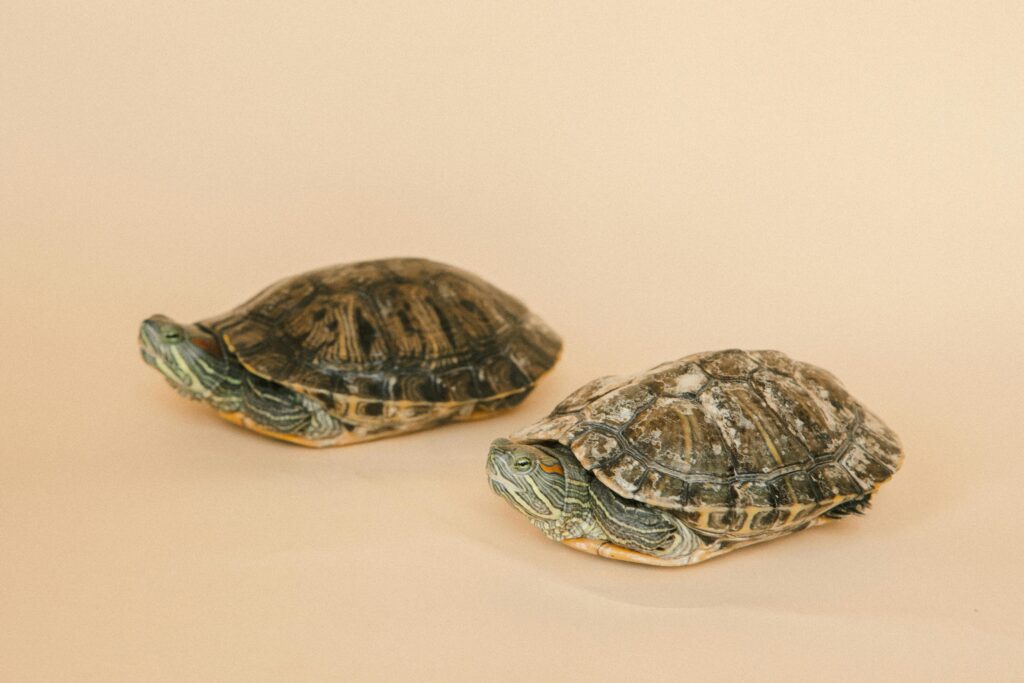
Turtles: Quiet Pets That Need Minimal Space
Turtles make great pets because they are calm, quiet, interesting, and good at living in small areas. They stay in tanks and do not need to be watched constantly.
Quiet Nature
Turtles are naturally silent. Unlike dogs that bark or birds that chirp, turtles make almost no noise. This makes them perfect for:
- Apartments or shared living spaces – where noise can be an issue.
- Homes with sleeping children or elderly residents – as they won’t disturb anyone’s rest.
Example:
A person living in a small apartment can keep a turtle in a tank without worrying about complaints from neighbors about barking or loud noises.
Minimal Space Requirements
Turtles do not need a large area to live in. A properly sized tank or aquarium is enough to house them comfortably. This makes them suitable for:
- Small homes or urban apartments – where floor space is limited.
- Desks or study rooms – a small tank can double as a decorative element.
Example:
A 20-gallon tank can comfortably house a small freshwater turtle, providing enough space to swim, bask, and explore without taking up much room in your living space.
Low-Maintenance Lifestyle
While turtles need proper care, their daily routine is simpler compared to high-energy pets. You don’t have to take them for walks or constantly entertain them. Key points include:
- Feeding them regularly with a balanced diet.
- Cleaning their tank periodically.
- Providing heat and UVB light for health.
Example:
A working professional can feed their turtle in the morning and evening, and clean the tank once a week, making turtles an easy-to-manage pet choice.
Choosing the Right Pet for Your Lifestyle
Every small home is different, and picking the right pet for you rests on how you live and what you like.
Consider Activity Levels
A small dog is good if you have time to go for walks. Cats or rabbits are better pets for you if you want quiet company.
Think About Care Needs
Some pets, like fish or turtles, need more daily care than others. Choose a pet that will need as much care as you can give it.
Check Apartment Rules
Make sure your apartment or housing neighborhood allows pets before you get one. There are rules about dogs and other animals in some places.
FAQs
What are the best pets for small homes in 2025?
The best pets for small homes in 2025 include cats, small dog breeds, fish, hamsters, birds, rabbits, and reptiles. These pets adapt well to limited space and do not require large outdoor areas to stay healthy and happy.
Are dogs suitable for apartments or small houses?
Yes, many small and low-energy dog breeds are ideal for apartments. Breeds such as Pugs, French Bulldogs, Dachshunds, and Shih Tzus are well-suited for small homes as long as they get regular walks and mental stimulation.
Which pets require the least space?
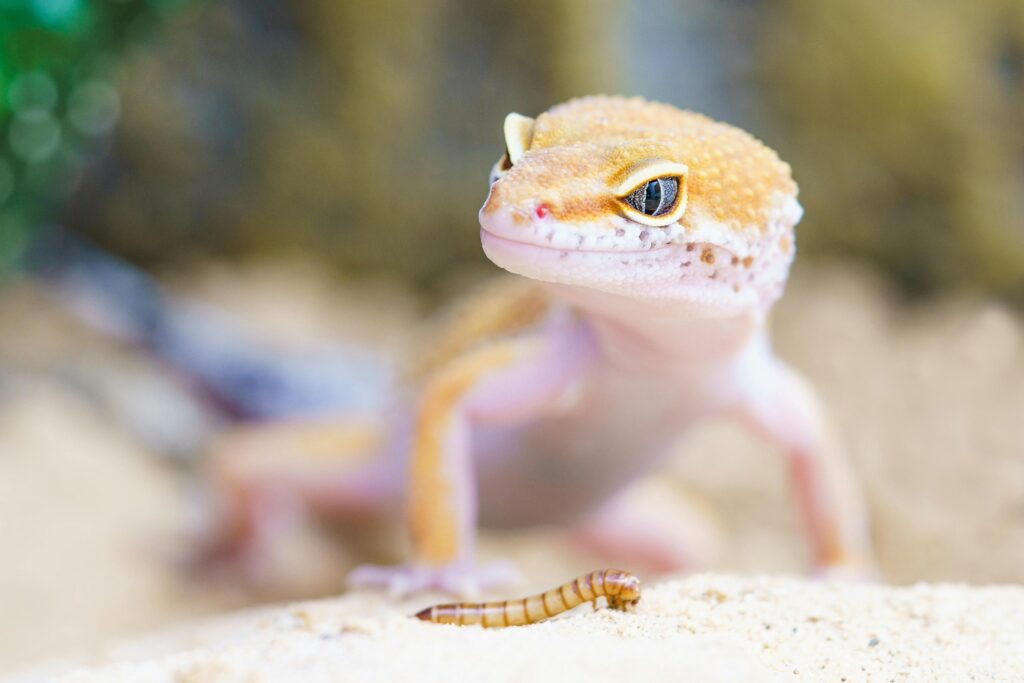
Pets that require very little space include fish, hamsters, guinea pigs, turtles, and geckos. These animals can live comfortably in tanks or cages designed specifically for small living areas.
Are cats a good choice for small homes?
Yes, cats are one of the best pets for small homes. They are independent, clean, and adapt easily to indoor living. Providing vertical space like shelves or cat trees helps them stay active even in small apartments.
What is the easiest pet to care for in a small home?
Fish and hamsters are among the easiest pets to care for in small homes. They require minimal daily attention, limited space, and simple feeding routines, making them ideal for beginners or busy owners.
Are birds suitable pets for small living spaces?
Yes, small birds such as budgies, canaries, and finches are suitable for small homes. They need a properly sized cage, regular cleaning, and daily interaction to remain healthy and happy.
Conclusion
You can still have a pet even if living in a small space. If you make the right choice, you can find a reliable friend who fits your life perfectly. For small areas, cats, small dogs, rabbits, guinea pigs, hamsters, birds, turtles, and fish are all great pets. Each pet is special in its own way and brings joy, comfort, and company. You can choose the best pet for your small home by considering your time, space, and lifestyle. Small dog breeds, cats, birds, fish, rabbits, and other low-space pets can live happy, healthy lives in smaller environments with the right care, enrichment, and attention. Factors such as noise level, exercise needs, grooming requirements, and lifespan should always be considered before making a decision. Modern pet care solutions in 2025—like compact habitats, interactive toys, and smart feeding tools—have also made it easier than ever to care for pets in smaller spaces. Every day, pets bring happiness.