Beginners may struggle to handle the many steps needed to get their tank up and running. The first step is to pick the right fish. Some types are easier to take care of than others. Fish that are good for beginners are hardy, flexible, and need less care than delicate species. What are the best fish for beginners? How do you take care of them? How do you make sure your tank is healthy? By the end of this article, you will know everything you need to know about keeping fish without any stress.
Why Choosing the Right Beginner Fish Matters
Easier Care and Less Stress
Many new aquarium owners mess up, like giving the fish too much or not cleaning the tank well enough. Fish that are tough can handle these mistakes and still do well. Picking the right species of fish makes keeping them easy and less stressful.
Better Conditions for Learning
You can learn the basics of tank care by starting with fish that are easy for newcomers to take care of. You can change the water, feed the fish, and watch how they behave without worrying about them dying too soon. This makes you feel better about keeping fish in the future.
Affordable and durable
Fish that are easy to find and do not cost much are good for people who are just starting out. You save money and have more fun with your tank because the fish live longer if you take good care of them.
Top 10 Best Fish for Beginners
1. Betta Fish
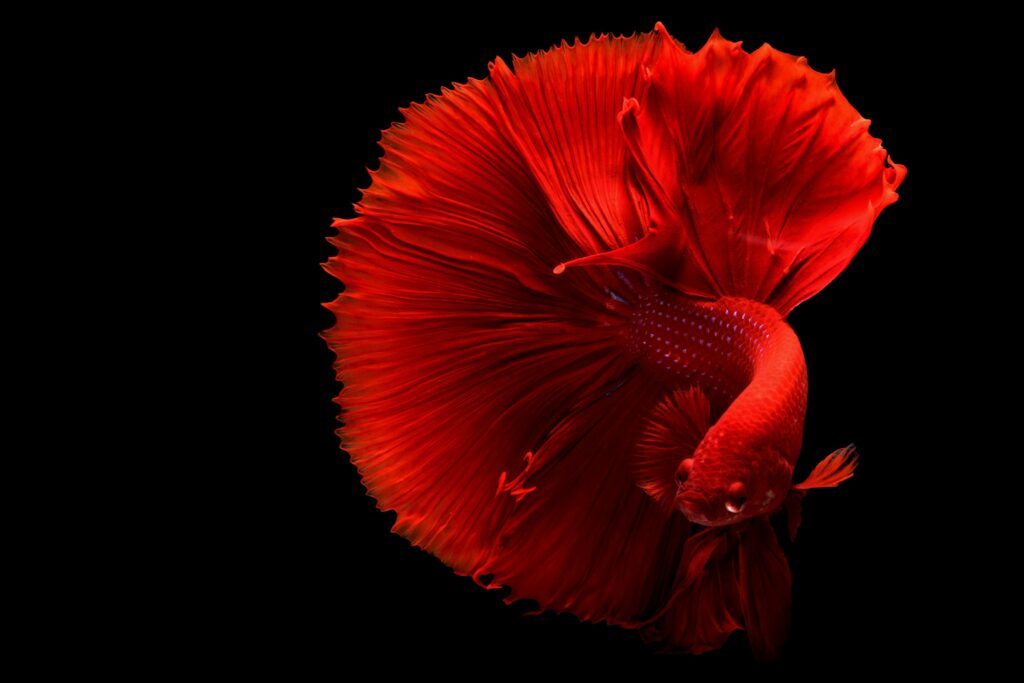
Betta fish are great for newbies because they are hardy, colorful, and can live independently. They do not need a big tank but a clean, warm place to live. It is one of the best fish for beginners because of its bright colors and graceful fins.
Why Beta fish are ideal for beginners
Betta fish are beginner-friendly because:
- They are hardy and adapt well to home aquariums
- They can live comfortably in small tanks
- They do not require complex equipment
- They have a strong personality and are enjoyable to watch
These qualities make betta fish perfect for first-time fish owners.
Appearance and colors
Betta fish are famous for their bright and attractive appearance. They come in many colors such as:
- Red
- Blue
- Purple
- Green
- Multicolor combinations
Their long, flowing fins add to their beauty and make them stand out in any tank.
Tank Requirements
Betta fish have simple tank needs:
- Tank Size: At least 5 gallons is recommended
- Water Temperature: Warm water (24–28°C / 75–82°F)
- Filter: Gentle filter to keep water clean
- Heater: Required to maintain stable temperature
They should not be kept in bowls for long-term health.
Feeding Needs
- High-quality betta pellets
- Occasional frozen or live food (bloodworms, brine shrimp)
- Feed once or twice daily in small amounts
Overfeeding should be avoided to prevent health problems.
Betta fish are carnivorous and need a protein-rich diet.
Temperament and Compatibility
Betta fish are territorial and should not be kept with other male bettas.
- Best kept alone or with peaceful tank mates
- Avoid fin-nipping fish
- Do not house two males together
Understanding their temperament helps prevent stress and fighting.
Example Scenario
A beginner sets up a 5-gallon heated tank with a gentle filter and plants. A single male betta is added and fed once daily. With weekly water changes, the betta remains active, colorful, and healthy—making it a perfect beginner fish.
Care Tips for Beginners
- Perform weekly partial water changes
- Avoid overcrowding the tank
- Maintain clean water and stable temperature
- Observe your betta daily for signs of illness
2. Guppies
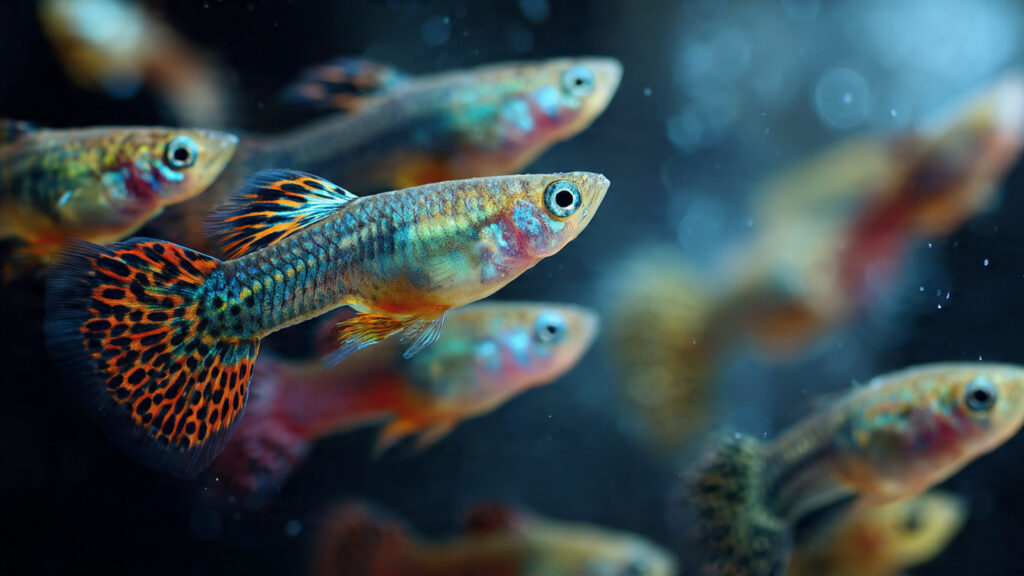
Guppies are small fish that move around a lot. They come in many colors and designs. They are easy to care for and have many babies quickly, which can be fun. Guppies do well in group tanks and can handle a range of environments.
Why Guppies Are Ideal for Beginners
Guppies are beginner-friendly because:
- They are hardy and adapt well to different water conditions
- They have vibrant colors and attractive patterns
- They are peaceful and suitable for community tanks
- They are affordable and widely available
Appearance and Colors
Guppies are known for their colorful tails and bodies. They come in shades of:
- Red
- Blue
- Yellow
- Green
- Orange
Male guppies are usually more colorful, while females are slightly larger and less vibrant.
Tank Size and Setup
Guppies do not need a large tank.
- A 10-gallon tank is ideal for beginners
- Use a filter to keep water clean
- Maintain water temperature between 22–28°C (72–82°F)
- Add plants or decorations for comfort
Feeding and Diet
Guppies are not picky eaters.
- Feed them high-quality flake food
- Supplement with frozen or live food occasionally
- Feed small amounts once or twice a day
Avoid overfeeding to maintain water quality.
Temperament and Compatibility
Guppies are peaceful and social fish. They get along well with other calm fish like tetras, mollies, and platies. Avoid keeping them with aggressive fish.
Example Scenario
A beginner sets up a small aquarium with three guppies. The tank has a filter, live plants, and regular weekly water changes. The guppies remain active, colorful, and healthy with minimal effort.
Important Tip for Beginners
Guppies breed quickly. If you keep males and females together, expect baby guppies. Beginners may choose only male guppies to avoid overpopulation.
3. Neon Tetras
Neon tetras are small, calm fish that look beautiful when grouped. They stand out in any tank because their blue and red lines light up. Because they are swimming fish, keeping them in groups of six or more is best.
Why Neon Tetras Are Great for Beginners
Neon Tetras are ideal for first-time fish owners because:
- They are hardy and adapt well to tank life
- They are peaceful and community-friendly
- They are affordable and widely available
- They require simple care routines
Their calm nature makes them perfect for shared tanks.
Appearance and Color
Neon Tetras are famous for their striking appearance:
- A bright blue stripe running along the body
- A vibrant red stripe from the middle to the tail
- Small size, usually growing up to 1.5 inches
Their colors stand out beautifully, especially when kept in groups.
Tank Requirements
Setting up a tank for Neon Tetras is simple:
- Tank size: Minimum 10 gallons
- Water temperature: 72–78°F (22–26°C)
- Water type: Clean, well-filtered freshwater
- Decor: Plants and hiding spots for comfort
Keeping stable water conditions is key to their health.
Feeding and Diet
Neon Tetras are not picky eaters:
- High-quality flake or micro pellet food
- Occasional live or frozen foods like brine shrimp
- Feed small amounts once or twice daily
Avoid overfeeding to keep water clean.
Social Behavior
Neon Tetras are schooling fish and should be kept in groups:
- Keep at least 6–8 Neon Tetras together
- Group living reduces stress and improves color
- They coexist well with other peaceful fish
Example Scenario
A beginner sets up a 15-gallon community tank with plants and a gentle filter. They add a group of 8 Neon Tetras. The fish swim together peacefully, display bright colors, and require minimal daily care, making them an excellent choice for a new fish owner.
Important Care Tips
- Do not keep them alone
- Maintain regular water changes
- Avoid aggressive tank mates
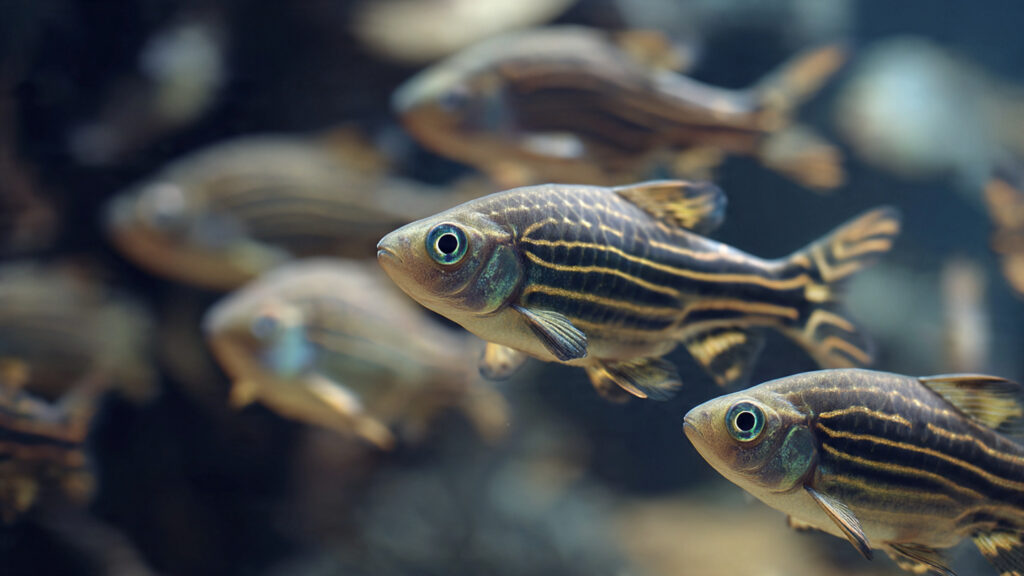
4. Zebra Danios
Zebra danios are tough fish that can live in many different types of water. They like to swim in groups because they are very energetic. It is fun to watch them play, even for people just starting.
What Are Zebra Danios?
Zebra Danios are small freshwater fish known for their horizontal blue and silver stripes, which resemble a zebra pattern. They are lively swimmers and add constant movement to the aquarium.
Why Zebra Danios Are Ideal for Beginners
Zebra Danios are beginner-friendly because:
- They are very hardy and resilient
- They tolerate a wide range of water conditions
- They are easy to feed
- They are peaceful and social
These qualities make them forgiving of small beginner mistakes.
Tank Requirements
Zebra Danios do not need a complex setup:
- Tank Size: Minimum 10 gallons
- Water Temperature: 18–24°C (65–75°F)
- Tank Type: Freshwater with a filter
- Tank Mates: Other peaceful community fish
They prefer swimming space, so a longer tank is ideal.
Feeding Needs
Zebra Danios are not picky eaters. Their diet can include:
- High-quality flake food
- Micro pellets
- Occasional live or frozen foods
Feed them once or twice a day in small amounts.
Behavior and Temperament
Zebra Danios are active and social fish. They do best in groups of 5 or more, as schooling reduces stress and encourages natural behavior. They are non-aggressive and suitable for community tanks.
Example Scenario
A beginner sets up a 10-gallon freshwater tank and adds six Zebra Danios. The fish adapt quickly, swim actively, and feed easily on flakes. With weekly water changes and simple care, the fish remain healthy and colorful, making them an excellent starter choice.
Things to Keep in Mind
- Keep them in groups for best results
- Avoid overcrowding the tank
- Maintain clean water with regular changes
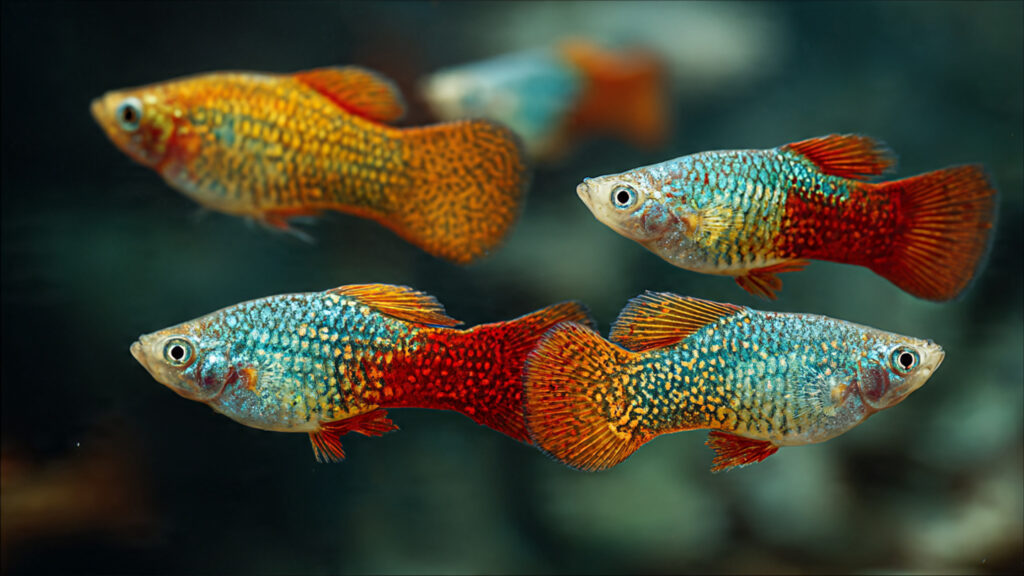
5. Platies
Platies are peaceful, bright, and easy to take care of fish. They are easy to breed, which is fun for people who are just starting and want to see fish babies. Platies get along with other fish in the group and eat many different kinds of food.
Why Platies Are Ideal for Beginners
Platies are beginner-friendly because they:
- Are hardy and adaptable
- Require minimal care
- Get along well with other peaceful fish
- Come in many bright colors and patterns
They can easily adjust to different water conditions, which is perfect for new fish keepers.
Appearance and Colors
Platies are small fish known for their vibrant appearance. They come in colors such as:
- Red
- Orange
- Yellow
- Blue
- Black
- Mixed and patterned varieties
Their bright colors add life and beauty to any aquarium.
Tank Requirements
Platies do not need a complicated setup.
- Tank size: Minimum 10 gallons
- Water temperature: 70–80°F (21–27°C)
- Water type: Freshwater
- Tank mates: Other peaceful fish like guppies, mollies, and tetras
Adding plants and hiding spaces helps them feel more comfortable.
Feeding and Care
Platies are not picky eaters.
- They eat flakes, pellets, and occasional live or frozen food
- Feed them once or twice a day in small amounts
- Regular water changes keep them healthy
Their simple diet makes daily care easy.
Temperament and Behavior
Platies are peaceful and active swimmers. They enjoy being in small groups and are safe to keep in community tanks. They rarely show aggressive behavior.
Example Scenario
A beginner sets up a 10-gallon freshwater tank and adds three platies of different colors. With regular feeding and weekly water changes, the platies remain active, healthy, and brighten the aquarium with their vibrant colors.
Things to Keep in Mind
- Platies breed easily, so the population may grow
- Avoid overcrowding the tank
- Maintain clean water for best health
6. Mollies
Mollies are very adaptable fish living in freshwater and water with a little salt. They are friendly, lively, and easy to breed. They are easy to care for and a great choice for people new to keeping fish.
Why Mollies Are Great for Beginners
Mollies are beginner-friendly because:
- They are strong and adaptable fish
- They tolerate a range of water conditions
- They are peaceful and social
- They are easy to feed
Their calm nature makes them suitable for community tanks.
Appearance and Colors
Mollies come in a variety of attractive colors and patterns, including:
- Black
- White
- Orange
- Silver
- Spotted and mixed colors
This makes them a colorful addition to any aquarium.
Tank Requirements
Mollies do not need complicated setups:
- Tank size: Minimum 20 gallons recommended
- Water temperature: 72–82°F (22–28°C)
- Tank type: Freshwater (some can adapt to slightly brackish water)
- Plants: Live or artificial plants for hiding and comfort
A clean, well-filtered tank helps them stay healthy.
Feeding and Diet
Mollies are omnivores and easy to feed:
- High-quality flake food
- Algae-based foods
- Occasional vegetables like blanched spinach or peas
Feed small amounts once or twice daily.
Behavior and Compatibility
Mollies are peaceful and do well in community tanks with other friendly fish such as:
- Guppies
- Platies
- Tetras
They prefer living in small groups and are active swimmers.
Example Scenario
A beginner sets up a 20-gallon aquarium and adds three mollies. They are fed flake food daily and the tank is cleaned weekly. The mollies remain active, colorful, and healthy, making fishkeeping enjoyable and stress-free.
Care Tips for Beginners
- Avoid overfeeding
- Maintain regular water changes
- Keep them in groups for comfort
- Monitor water quality
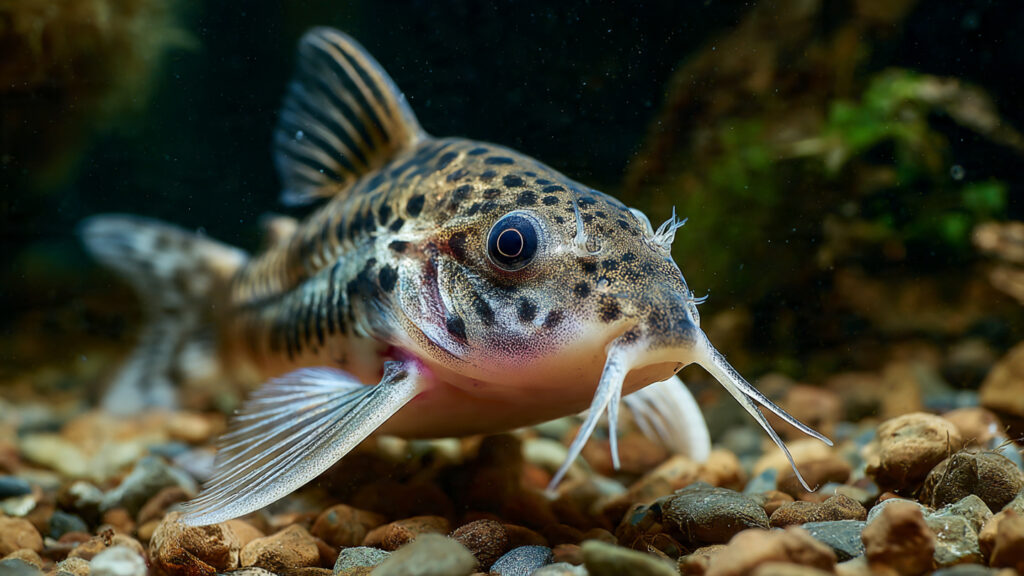
7. Cory Catfish
Cory catfish live near the bottom of the tank and help clean up food scraps. They like living in groups and are calm. Cory catfish are hardy and will make your tank more interesting.
Why Cory Catfish Are Great for Beginners
Cory Catfish are ideal for beginners because:
- They are very peaceful and friendly
- They adapt well to different water conditions
- They are hardy and forgiving of small mistakes
- They are easy to feed and maintain
Their calm nature makes them suitable for community tanks.
Appearance and Colors
Cory Catfish may be small, but they are attractive fish. They come in different patterns and colors such as:
- Spotted
- Striped
- Bronze
- Albino
Their unique body shape and whisker-like barbels make them interesting to watch.
Tank Requirements
Cory Catfish do not need a complex setup.
- Tank Size: Minimum 20 gallons for a small group
- Water Temperature: 22–26°C (72–78°F)
- Substrate: Soft sand or smooth gravel to protect their barbels
- Tank Mates: Other peaceful fish
They prefer clean water with gentle filtration.
Tank Requirements
Cory Catfish are bottom feeders and help clean leftover food.
- Eat sinking pellets or wafers
- Enjoy occasional frozen or live foods
- Should not rely only on tank leftovers
Feed them once or twice a day in small amounts.
Social Behavior
Cory Catfish are schooling fish and should be kept in groups of at least 4–6. When kept in groups, they are more active, happy, and confident.
Easy Care and Maintenance
Cory Catfish require minimal maintenance:
- Weekly partial water changes
- Regular feeding
- Clean tank environment
They are hardy but still benefit from good water quality.
Example Scenario
A beginner sets up a 20-gallon community tank with guppies and tetras. They add a group of six Cory Catfish to the bottom of the tank. The Corys peacefully swim together, clean leftover food, and thrive with simple weekly water changes and regular feeding.
Important Tip for Beginners
Always keep Cory Catfish in groups and use soft substrate. This helps prevent stress and protects their sensitive barbels.
8. Swordtails
Their long tails that look like swords are how they got their name. They are easy to take care of and like playing with other fish. Also, swordtails are livebearers, which means they do not lay eggs but instead give birth to live young.
Why Swordtails Are Ideal for Beginners
Swordtails are beginner-friendly because:
- They are hardy and adapt well to new tanks
- They are peaceful and social fish
- They can live in community aquariums
- They require simple care and basic equipment
Their friendly nature makes them easy to manage, even for first-time fish owners.
Appearance and Colors
Swordtails are named after the long, sword-like extension on the tail of male fish. They come in a variety of bright colors, including:
- Red
- Orange
- Yellow
- Green
- Black
This makes them a colorful and attractive addition to any aquarium.
Tank Requirements
Swordtails do well in simple freshwater tanks:
- Tank size: Minimum 20 gallons
- Water temperature: 22–28°C (72–82°F)
- Tank setup: Clean water, filter, and some plants for hiding
A larger tank helps keep water conditions stable and supports active swimming.
Diet and Feeding
Swordtails are omnivores and easy to feed:
- High-quality flake or pellet food
- Occasional live or frozen foods like brine shrimp
- Small vegetable portions such as boiled spinach
Feed them once or twice daily in small amounts.
Temperament and Compatibility
Swordtails are peaceful but energetic. They get along well with other calm fish such as:
- Guppies
- Platies
- Mollies
- Tetras
Avoid keeping them with aggressive species.
Example Scenario
A beginner sets up a 20-gallon tank with a filter and live plants. They add three swordtails—two females and one male. With regular feeding and weekly water changes, the fish remain active, healthy, and colorful, making aquarium care enjoyable and stress-free.
Key Care Tips
- Keep more females than males to reduce stress
- Perform weekly water changes
- Avoid overcrowding the tank
9. Goldfish
Goldfish are a common choice for first time pet owners, but their tanks must be bigger than most people think. If you keep them in clean, big tanks, they will be tough and live a long time. Goldfish can live for a long time if they are well cared for.
Goldfish are one of the most popular fish for beginners. They are hardy, affordable, and easy to recognize, making them an excellent choice for first-time fish owners.
Why Goldfish Are Great for Beginners
Goldfish are ideal for beginners because:
- They are strong and can adapt to different conditions
- They are easy to feed and care for
- They are widely available and inexpensive
- They come in different colors and varieties
With proper care, goldfish can live for many years.
Types of Goldfish Suitable for Beginners
Some beginner-friendly goldfish varieties include:
- Common Goldfish
- Comet Goldfish
- Fantail Goldfish
These types are easier to care for than fancy varieties.
Tank Requirements
Goldfish need more space than most beginners expect.
- Tank Size: At least 20 gallons for one goldfish
- Water Temperature: Cool or room temperature water
- Filtration: Strong filter to keep water clean
- Tank Setup: Open swimming space with minimal decorations
Avoid keeping goldfish in small bowls, as this can harm their health.
Feeding and Diet
Goldfish are not picky eaters.
- Feed them high-quality goldfish flakes or pellets
- Offer vegetables like peas or lettuce occasionally
- Feed once or twice a day in small amounts
Overfeeding can cause health problems.
Care and Maintenance
Goldfish produce a lot of waste, so regular maintenance is important.
- Change 20–30% of the water weekly
- Clean the tank gently without removing beneficial bacteria
- Monitor water quality regularly
Example Scenario
A beginner sets up a 20-gallon aquarium with proper filtration and adds one goldfish. The fish is fed twice daily and the tank water is changed weekly. With simple care and regular maintenance, the goldfish remains active, colorful, and healthy.
Things to Keep in Mind
- Goldfish grow larger than expected
- They require more space than many other beginner fish
- Proper tank care ensures a long lifespan
10. White Cloud Mountain Minnows
These small, calm fish are excellent if you are a beginner and do not want to heat your tank. They are tough, bright, and like to swim. They do better when in groups and can adapt to different types of water.
Why White Cloud Mountain Minnows Are Ideal for Beginners
These fish are considered beginner-friendly because:
- They are very hardy and adapt well to different water conditions
- They do not require a heater in most homes
- They are peaceful and easy to keep in groups
- They are affordable and widely available
Their resilience makes them forgiving of small beginner mistakes.
Appearance and Color
White Cloud Mountain Minnows have a slim body with:
- A silver or light gold base color
- A bright red stripe running along the body
- Red-tipped fins that add a colorful touch
Despite their small size, they bring life and movement to any aquarium.
Tank Requirements
Caring for White Cloud Mountain Minnows is simple:
- Tank Size: At least 10 gallons
- Water Temperature: 64–72°F (18–22°C)
- Tank Setup: Plants and open swimming space
- Group Size: Best kept in groups of 5–6 or more
They enjoy swimming in schools and look more active when kept together.
Temperament and Compatibility
These fish are calm and social. They get along well with other peaceful fish such as:
- Guppies
- Danios
- Small tetras
Avoid aggressive or much larger fish that may stress or harm them.
Feeding and Care
White Cloud Mountain Minnows are not picky eaters:
- They accept flakes, pellets, and frozen foods
- Feed once or twice a day in small amounts
- Avoid overfeeding to keep the tank clean
Regular weekly water changes help keep them healthy.
Example Scenario
A beginner sets up a 10-gallon aquarium with plants and a filter but no heater. They add a small group of White Cloud Mountain Minnows. The fish quickly adapt, swim actively together, and show bright colors, requiring only basic feeding and weekly tank maintenance.
Why They Make a Great Beginner Choice
White Cloud Mountain Minnows combine:
- Easy care
- Bright coloration
- Peaceful behavior
This makes them one of the best fish for beginners who want a colorful and low-stress aquarium experience.
Setting Up Your First Aquarium
Choosing the Right Tank Size
Many people start with small tanks, but bigger tanks are easier to care for. A 20 gallon tank is a good place to start because it keeps the water conditions more stable. It is also big enough for fish to swim and grow.
Adding the Right Equipment
You need basic things like a filter, heater, and light for a healthy tank. A heater keeps the water at a steady temperature, and a filter keeps the water clean. A good light not only makes your fish look good, but it also helps plants grow.
Decorating Your Aquarium
Decor in an aquarium is not just there to look nice; it gives fish a place to hide and feel safe. Use rocks, plants, and decorations to make a natural and cozy space. Adding decorations to your tank also makes it more fun to look at.
Feeding Beginner Friendly Fish
Choosing the Right Fish Food
Flakes or pellets are easy to find in pet stores and are what most new fish eat. Fish get strong and lively when they eat a variety of foods. As a treat, some species may also like cold or live foods.
Not Feeding Too Much
One mistake that new pet owners often make is feeding their pets too much. Extra food falls to the bottom, making the water dirty and bad for your fish. Once or twice a day, give your fish only what it can eat in two to three minutes.
Offering a Range
Even fish that are just starting need a range of foods. They stay healthy and busy by mixing flakes, pellets, and treats every once in a while. A varied diet keeps you from getting bored and supports your natural behaviors.
Common Mistakes Beginners Should Avoid
Overcrowding the Tank
Too many fish in a small tank makes the water dirty and stresses out the fish. Before you buy more fish, you should always find out how many it can hold. A tank with fewer fish is easy to clean and better for the fish.
Skipping Water Changes
Changing the water in your tank keeps it clean and eliminates waste. Beginners forget this step, but it is very important for the health of the fish. Changing 20 to30% of the water once a week is enough to keep the balance.
Mixing Incompatible Fish
Some fish do not get along. Peaceful species may be bullied by aggressive ones, which can cause stress or death. Before adding new fish to your tank, find out if they will get along with the others.
Tips for Long Term Success with Beginner Fish
Observe Your Fish Daily
When you watch your fish for a while, you can see early signs of illness or worry. Healthy fish move around easily and swim in bright colors. Acting quickly and fixing the problem is easier if you notice strange behavior.
Keep a Maintenance Routine
Having a plan makes it easier to take care of fish. Every day at the same time, clean the tank, check the filter, and feed the fish. This keeps everything in balance. A simple plan stops issues before they happen.
Learn and Expand Slowly
After getting good at beginner fish, you can move on to more difficult types. By growing slowly, you can gain experience without risking your present fish. Over time, getting better at the sport means taking small steps to learn new things.
FAQs
What makes a fish good for beginners?
Beginner-friendly fish are easy to care for, hardy, peaceful, and able to adapt to different water conditions. They also do not require complex tanks or special diets.
How many fish should a beginner start with?
Beginners should start with 2–4 small fish and gradually add more as they gain experience and understand tank maintenance.
Are colorful fish harder to care for?
No. Many colorful fish, such as guppies and platies, are just as easy to care for as less colorful fish.
How often should I feed my fish?
Feed your fish once or twice a day in small amounts. Overfeeding is a common mistake and can harm fish health.
How often should I clean the fish tank?
Partial water changes should be done once a week. Full tank cleaning is not recommended, as it can remove beneficial bacteria.
Conclusion
The first step to having a fun and stress free tank is picking the best fish for beginners. Corals, guppies, tetras, and mollies are hardy, bright, and easy to care for. You can make a beautiful aquarium that does well by choosing the right tank, feeding it the right way, and avoiding common mistakes. Keeping fish is a fun and relaxing hobby, and you can start confidently if you choose easy types for beginners. The trip through the tank is more fun as you learn more.