People feel happy, loved, and at ease when they have a pet. Many people worry about how much time and work it would take to care for a cat. Some cats need to be groomed, trained, or fed certain foods all the time. Luckily for their owners, some pets do not need much care but still make their owners happy. You can have these pets even if you are busy, live in a small room, or are new to caring for pets. This article will tell you about the 10 best low maintenance pets that are fun to have around, cheap, and easy to take care of.
Fish
Easy Daily Care
As pets, fish are easy to take care of. Mostly, they need easy things to do every day. You only need to clean the water and feed them once or twice a day. Many people like to watch fish move because it makes them feel calm and peaceful.
Cheap setup
You can make a small fish tank look nice with rocks and plants of different colors. They do not cost much. Simple pond fish like bettas, guppies, and goldfish are cheap and do not need a lot of food or care. After setting up the tank correctly, it is not hard to keep it in good shape.
Great for small rooms
Apartments and homes with limited space are great places for fish. They do not need to be trained, walked, or groomed. They are also quiet, which makes them a good choice for people who share a home.
- Small fish need 5–10 gallon tanks
- Larger fish require bigger tanks
- Tanks should include clean water, filters, and proper lighting
Basic Care Requirements
Caring for fish mainly involves:
- Feeding once or twice a day
- Keeping the tank clean
- Changing water weekly or bi-weekly
- Maintaining proper water temperature
Example Scenario
A busy office worker keeps a Betta fish in a small aquarium at home. They feed the fish once daily and clean the tank once a week. With minimal effort and cost, the fish remains healthy and provides a calming presence after long workdays.
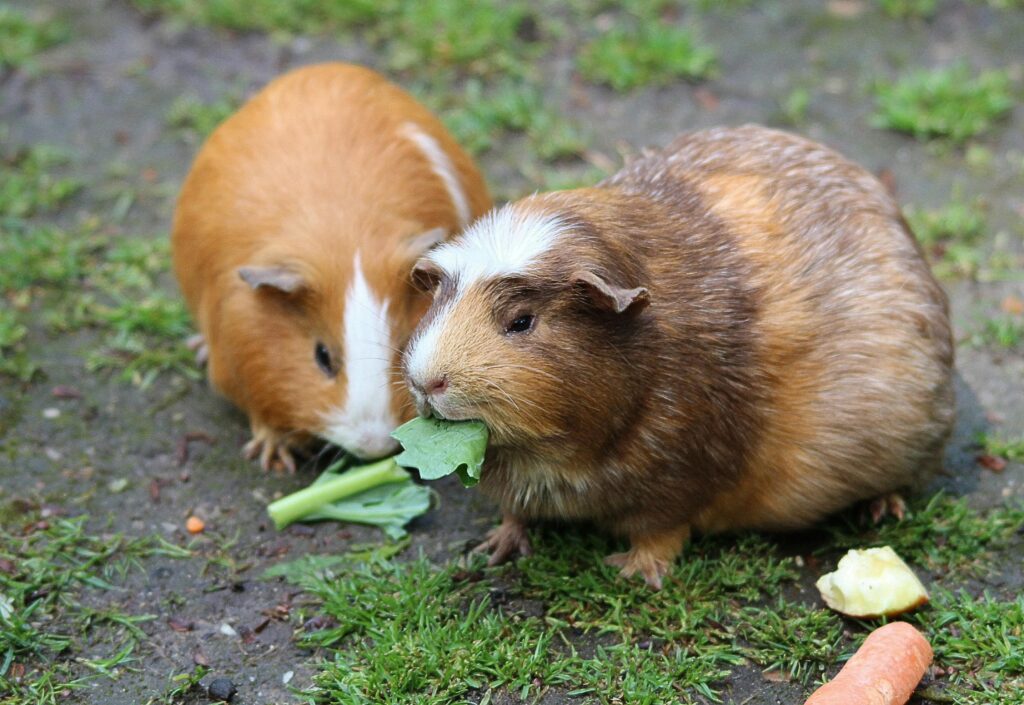
Guinea Pigs
Gentle and Friendly Nature
Small rats and mice called guinea pigs are very gentle and easy to care for. People who own them love to pet them and hear the soft squeaks they make. Their lack of aggression makes them a good choice for families with kids.
Why Guinea Pigs Are Low Maintenance
Guinea pigs are easy to care for because:
- They do not need walks or obedience training
- They are calm and rarely aggressive
- They have simple dietary needs
- They can live comfortably in indoor cages
Housing and Space Requirements
Guinea pigs need a clean, spacious cage with:
- Soft bedding
- A hiding area
- Food and water bowls
- Proper ventilation
Cleaning the cage 2–3 times a week helps keep them healthy and odor-free.
Needs for Simple Food
Hay, fresh veggies, and pellets make up most of their food. You can find these foods in most shops, which do not cost much. You should give them fresh water and hay daily, but their food needs are simple.
Temperament and Behavior
Guinea pigs are known for being:
- Friendly and social
- Quiet (they make soft squeaking sounds)
- Gentle with children when handled properly
Minimal Grooming
Guinea pigs with short hair do not need to be groomed very often. It is enough to clean their box once a week and cut their nails daily to keep them healthy. They stay clean and comfy with little work.
Example Scenario
A working professional living in an apartment chooses guinea pigs as pets. They spend a few minutes each morning feeding them and cleaning small areas of the cage. In the evening, they interact and gently handle them. With minimal effort, the guinea pigs remain happy, healthy, and stress-free.
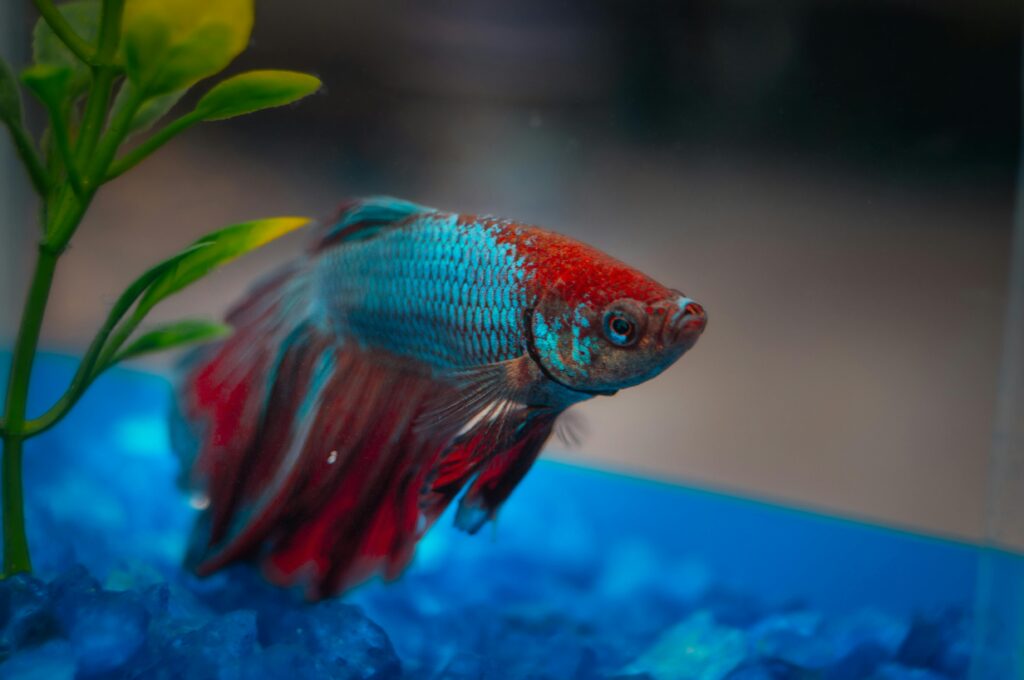
Betta Fish
Beautiful and Colorful
People love betta fish because of their bright colors and long, flowing fins. People often call them “Siamese fighting fish.” Many people keep them as pets and decorations because they make any room look alive.
Space and housing needs
- Betta fish can live in small tanks (at least 5 gallons recommended)
- They do not need companions and prefer living alone
- A simple tank with clean water, a filter, and a heater is enough
Feeding requirements
- Betta fish eat special betta pellets or flakes
- Feed them once or twice a day
- Overfeeding should be avoided, as it can cause health problems
Cleaning Care
- Partial water changes are needed once a week
- Tank cleaning is simple and quick
- No grooming or training is required
Low Daily Care
Bettas do not need to be fed more than twice a day. The water in their tank should be changed every two weeks, which is easy. They are independent pets that do not need much care but still make people happy and beautiful.
Example Scenario
If you have a busy schedule and live in a small apartment, a betta fish can be a perfect pet. With a small tank placed on a desk or shelf, feeding once daily and weekly water changes, you can enjoy a pet without the stress of intensive care or training.
Turtles
Turtles are relatively easy to care for compared to many other pets because:
- They do not need training like dogs
- They are quiet and odor-free when habitats are clean
- They can be left alone for several hours
- They do not require grooming
Basic care requirements
Habitat
Most pet turtles need:
- A tank with clean water
- A basking area with a heat lamp
- UVB lighting for shell and bone health
A proper setup keeps turtles healthy and reduces maintenance problems.
Diet
Turtles eat a simple diet that may include:
- Commercial turtle pellets
- Leafy green vegetables
- Occasional protein like insects or small fish
They usually eat once a day or every other day, depending on age.
Cleaning needs
Tank cleaning is required weekly or bi-weekly. Using a water filter helps reduce cleaning time and keeps the water fresh.
Behavior and Interaction
Turtles are generally calm and independent. They do not crave attention and are content spending time in their habitat. While they may recognize their owner, they are best enjoyed as observation pets rather than cuddling companions.
Example Scenario
If you have a busy work schedule and limited space, a turtle can be an excellent pet. After setting up a tank with proper lighting and water filtration, you only need to feed the turtle daily and clean the tank once a week. This makes turtles a stress-free option for low maintenance pet owners.
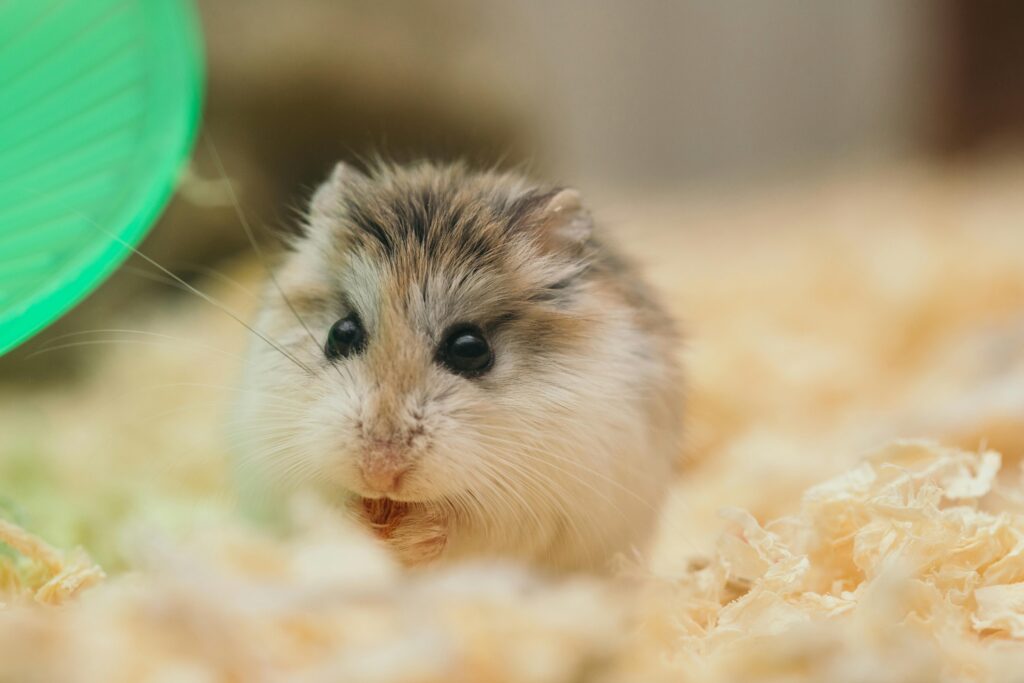
Hamsters
Why Hamsters Are Low Maintenance
Hamsters do not require daily training, grooming, or constant attention. With proper housing and basic care, they can live comfortably with minimal effort from their owners.
Space and housing needs
Hamsters need:
- A well-ventilated cage
- Soft bedding for burrowing
- A running wheel for exercise
- A hiding area for sleeping
Their cage should be cleaned once a week, which makes upkeep simple and affordable.
Feeding Requirements
Hamsters have simple dietary needs:
- Store-bought hamster food pellets
- Small amounts of fresh fruits and vegetables
- Fresh water daily
They eat small portions, so food costs are low.
Behavior and temperament
Hamsters are generally calm and independent. They are most active at night and prefer short periods of handling. With gentle interaction, they can become friendly and comfortable around humans.
Health and lifespan
Hamsters usually live 2–3 years and are generally healthy when kept in a clean environment with proper food and exercise.
Example Scenario
If you have a busy work schedule and live in a small apartment, a hamster is an ideal pet. You can feed it once a day, clean the cage weekly, and allow it to exercise on its wheel at night without disturbing your routine. This makes hamsters a stress-free and enjoyable pet choice.
Who should choose a Hamster
Hamsters are perfect for:
1. Families with older children
2. Beginners
3. Students
4. Apartment dwellers
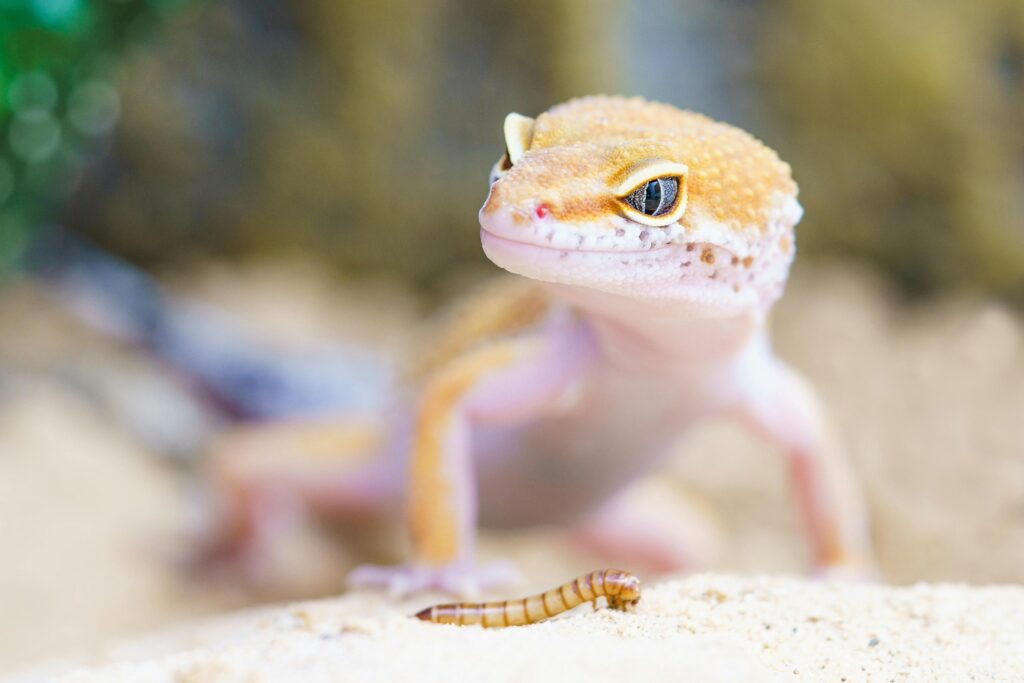
Leopard Geckos
Why Leopard Geckos Are Low Maintenance
Leopard geckos are easy to care for because:
- They do not need daily handling
- They eat only a few times per week
- They are quiet and odor-free
- They adapt well to small living spaces
With a simple setup and routine, they can live happily for many years.
Housing and environment
Leopard geckos need a basic terrarium setup:
- A small tank (10–20 gallons is enough)
- A warm hiding spot and a cool hiding spot
- A heat mat or low-watt heat source
- Clean substrate and a shallow water dish
They do not require complex lighting like some other reptiles.
Feeding Requirements
Leopard geckos are insect eaters.
- Common foods include crickets and mealworms
- Adults usually eat 2–3 times per week
- Insects should be dusted with calcium for good health
Feeding is simple and does not take much time.
Temperament and Handling
Leopard geckos are gentle and rarely aggressive.
- They tolerate handling better than many reptiles
- They move slowly and are easy to manage
- Ideal for beginners and older children (with supervision)
Lifespan
With proper care, leopard geckos can live 10–20 years. This makes them a long-term but manageable commitment for pet owners.
Example Scenario
If you have a busy work schedule and live in an apartment, a leopard gecko can be a great pet. You only need to feed it a few times a week, clean the tank occasionally, and ensure the temperature is correct. Unlike dogs or cats, it does not require daily walks or constant attention.
Who should choose Leopard Gecko?
Leopard geckos are perfect for:
1.Pet owners looking for a quiet, low-care pet
2. Beginners with no reptile experience
3. People with limited space
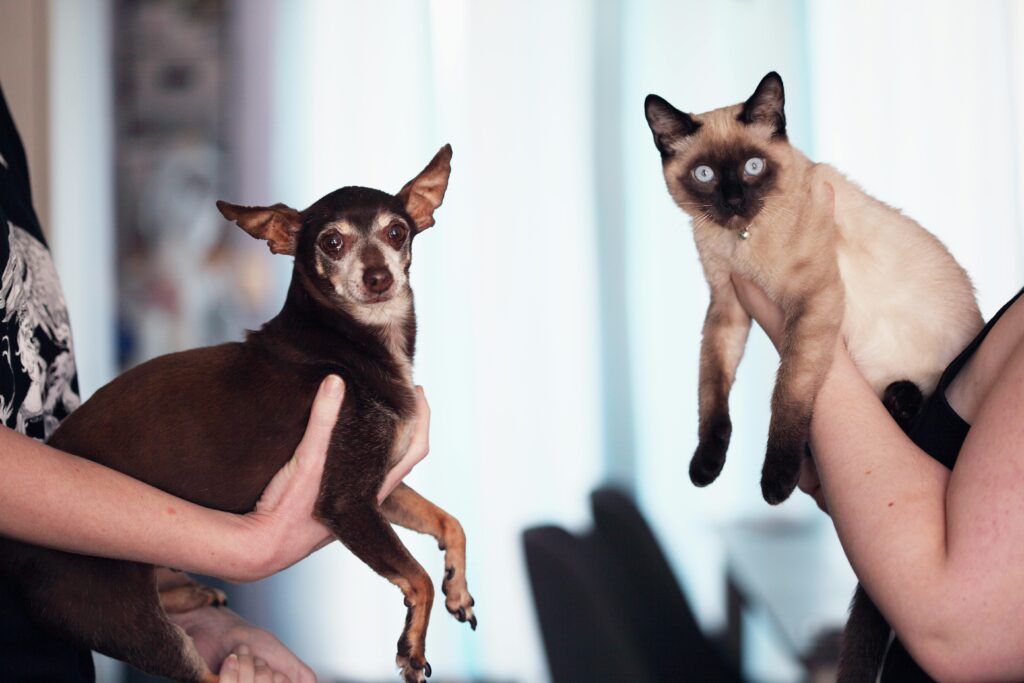
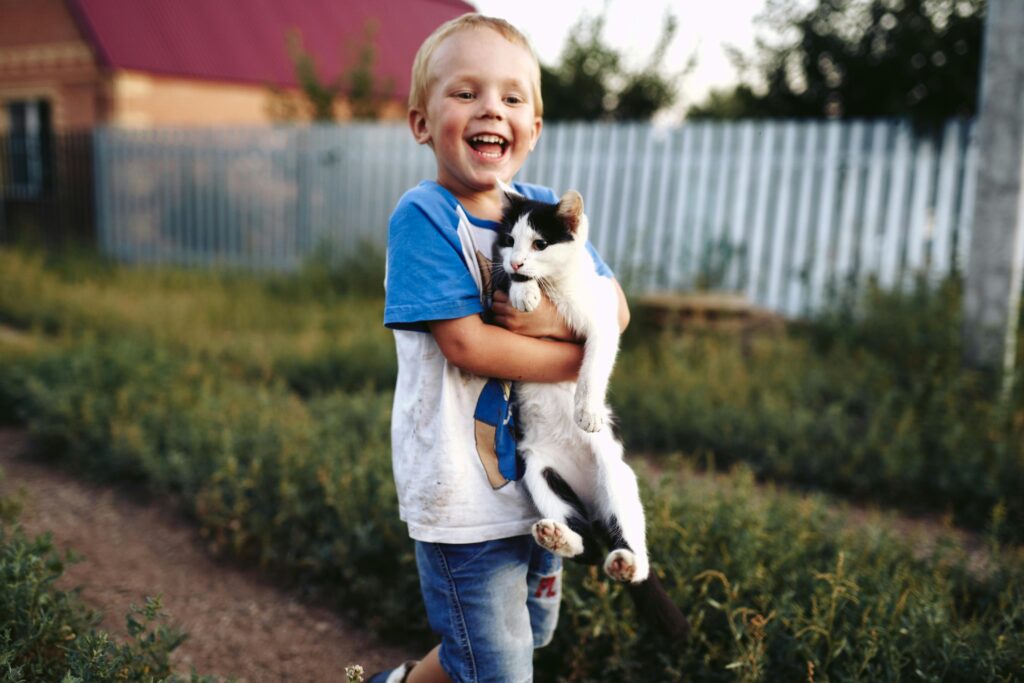
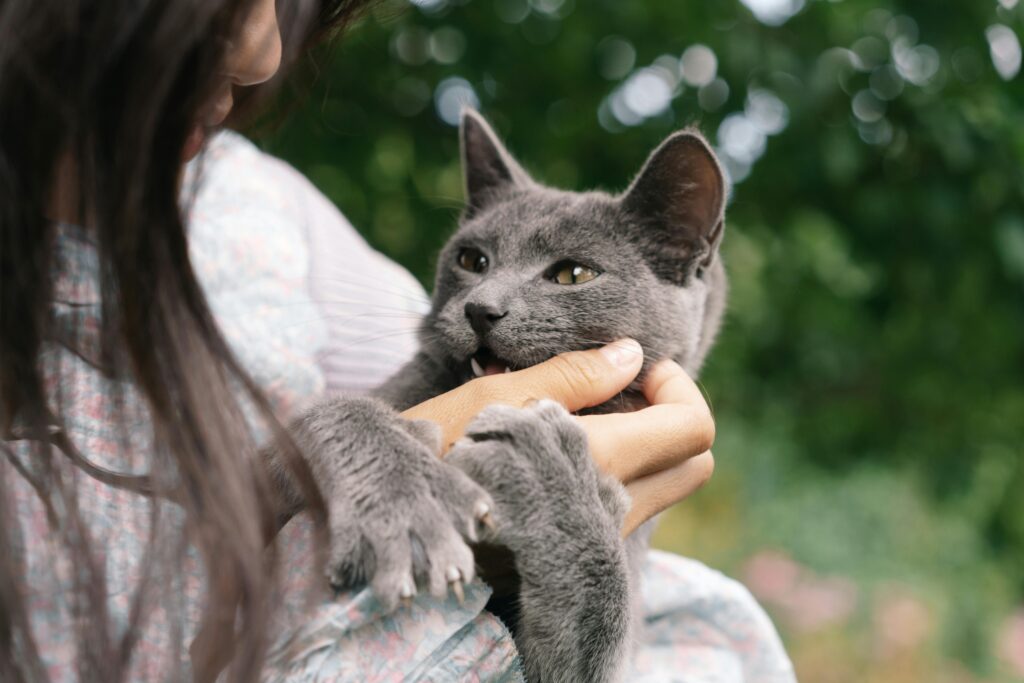
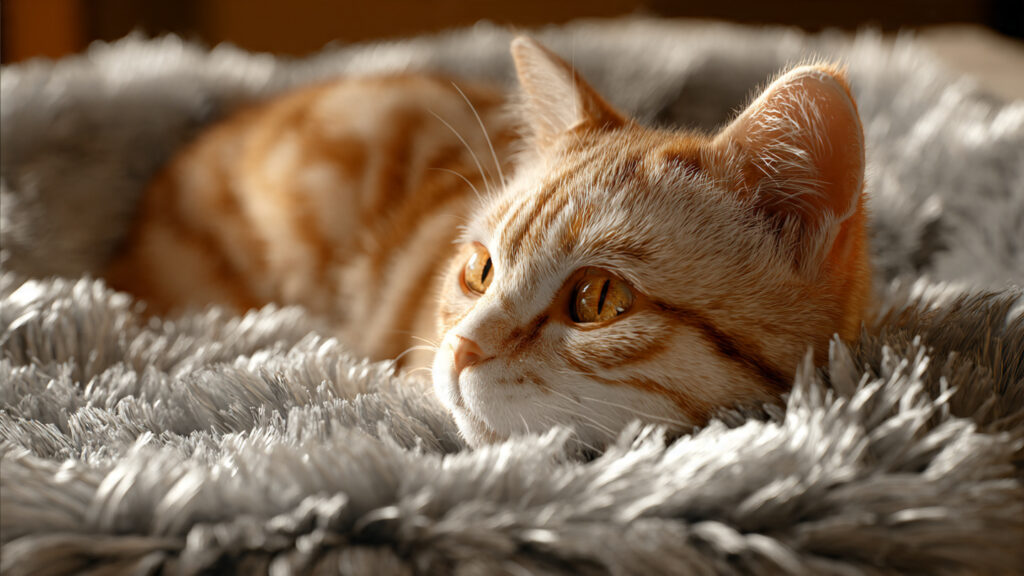
Cats
Why Cats Are Considered Low Maintenance?
Cats require less daily attention compared to dogs. They are naturally independent and can entertain themselves for long periods. Unlike dogs, cats do not need daily walks, making them ideal for busy owners.
Basic Care Requirements
Caring for a cat is simple and affordable:
- Provide fresh food and water daily
- Clean the litter box regularly
- Offer a comfortable sleeping space
- Schedule routine veterinary checkups
Most cats groom themselves, so bathing is rarely needed.
Living space and environment
Cats adapt easily to small homes or apartments. They enjoy:
- Cozy indoor spaces
- Scratching posts
- Window views for entertainment
They do not require a yard or outdoor space to stay happy.
Time and attention needs
While cats enjoy affection, they do not demand constant interaction. They are happy spending time alone and will seek attention when they want it. This makes them perfect for people with busy schedules.
Example Scenario
If you work long hours, a cat can stay at home comfortably while you’re away. As long as they have food, water, and a clean litter box, they remain relaxed and independent. When you return, your cat may come to you for affection and playtime.
Why cats are ideal for beginners?
Cats are easy to care for, quiet, and clean. They are suitable for:
Busy professionals
First-time pet owners
Apartment dwellers
Seniors
Birds (like parrots and canaries)
Why Birds Are Considered Low Maintenance Pets
Birds do not require daily walks or extensive grooming like dogs. Their basic needs include food, fresh water, a clean cage, and some interaction. Many bird species can entertain themselves with toys and sounds.
Popular low maintenance bird options
Parrots
Small parrots such as budgies (parakeets) and cockatiels are intelligent and friendly.
- They can learn simple words and sounds
- Enjoy social interaction
- Require moderate attention but are easy to manage
Canaries
Canaries are ideal for people who prefer a quiet, low-effort pet.
- Known for their beautiful singing
- Do not require handling
- Happy living alone in a cage
Basic care requirements
Caring for birds is simple and affordable:
- Provide a clean cage with enough space
- Offer fresh bird food, seeds, and occasional fruits
- Change water daily
- Clean the cage weekly
- Provide perches and toys for mental stimulation
Living space and environment
Birds are well-suited for apartments and small homes. Place the cage in a well-lit area away from direct sunlight, drafts, and loud noises.
Example Scenario
If you have a busy schedule and live in an apartment, a canary can be a perfect pet. It requires minimal handling, enjoys singing throughout the day, and only needs daily feeding and weekly cage cleaning. This makes it an excellent low maintenance choice.
Things before choosing a bird
- Birds can be noisy, especially parrots
- Some birds need social interaction to avoid boredom
- Lifespan varies—parrots can live many years
Rabbits
Why Rabbits Are Low Maintenance
Rabbits are relatively easy to care for because:
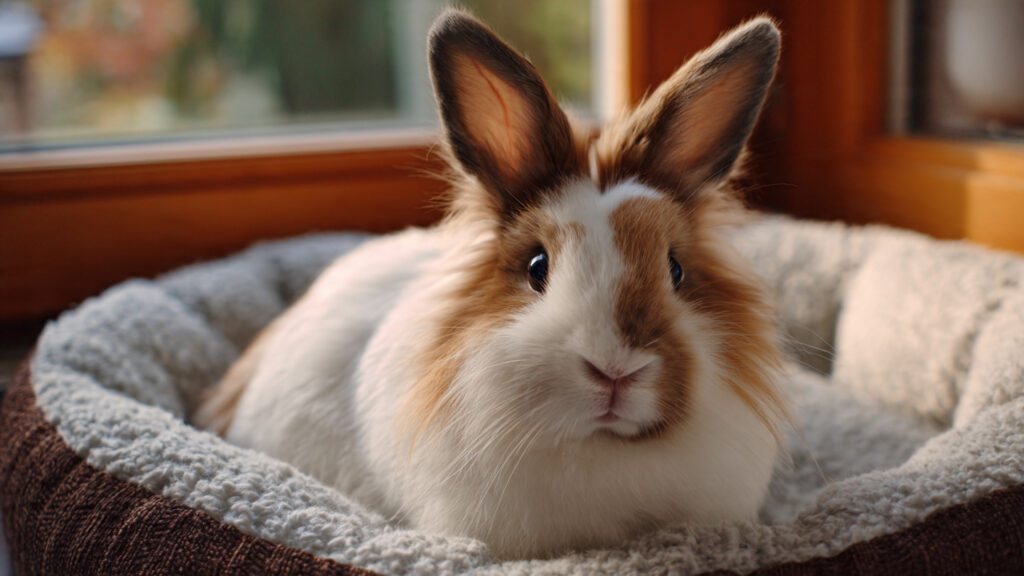
- They do not need daily walks
- They are naturally clean animals
- They can be litter trained
- They require minimal grooming
This makes them a great choice for busy individuals and first-time pet owners.
Basic care requirements
Caring for a rabbit is simple when their basic needs are met:
- Housing: A clean cage or playpen with enough space to move
- Diet: Fresh hay, vegetables, and clean water
- Cleaning: Spot cleaning daily and full cage cleaning once a week
- Exercise: Supervised playtime outside the cage
Temperament and Behavior
Rabbits are calm and social animals. They enjoy gentle interaction and can form strong bonds with their owners. However, they prefer quiet environments and may become stressed by loud noises or rough handling.
Grooming needs
Rabbits groom themselves, so grooming needs are minimal. Occasional brushing helps reduce shedding, especially during seasonal coat changes. Nail trimming may be needed every few weeks.
Example Scenario
A busy professional living in an apartment chooses a rabbit as a pet. The rabbit stays in a spacious indoor enclosure, uses a litter box, and enjoys evening playtime. With simple feeding and weekly cleaning, the rabbit remains healthy and happy without demanding constant care.
Things to keep in mind
While rabbits are low maintenance, they still need:
Regular veterinary checkups
Daily feeding and fresh water
Gentle interaction and attention
FAQs
What does “low maintenance pet” mean?
A low maintenance pet requires minimal daily care, grooming, training, and attention compared to traditional pets like dogs. These pets are ideal for busy people or beginners.
Are low maintenance pets good for beginners?
Yes, low maintenance pets are perfect for beginners because they are easier to manage, require less training, and are generally affordable to care for.
Do low maintenance pets need daily attention?
Most low maintenance pets need basic daily care, such as feeding and checking water, but they do not require constant supervision or interaction.
Are low maintenance pets affordable?
Many low maintenance pets are budget-friendly. However, initial setup costs (like tanks or cages) may be higher than daily care expenses.
Do low maintenance pets need grooming?
Most low maintenance pets require little to no grooming. For example, fish and reptiles do not need grooming, while cats groom themselves naturally.
Are low maintenance pets good for children?
Some low maintenance pets, such as fish, hamsters, and guinea pigs, can be good for children with adult supervision. Teaching responsibility is important.
How much time do low maintenance pets require each day?
Most low maintenance pets need 10–30 minutes per day for feeding, cleaning, and basic interaction.
Do low maintenance pets still need veterinary care?
Yes, all pets need veterinary care. Even low maintenance pets require regular health checkups and proper medical attention when needed.
Conclusion
Low maintenance pets are a great choice when you want a pet but do not want to deal with much work. People can have pets like peaceful turtles and bright fish, or nice cats and active guinea pigs. Taking care of these pets is easy, and they bring comfort, happiness, and company into your life. If you live in a small apartment, work long hours, or are new to having a pet, picking a low maintenance pet may be the best way to enjoy having a friend without putting in much work.