Reptiles are becoming more popular as pets because they are different, interesting, and often easier to care for than people think. Newbies need to pick the right reptile. For example, some snakes need special food, expensive enclosures, or extra care. But some kinds are great for people who have never had a reptile before. These snakes and turtles are usually hardy, easy to handle, and simple to care for if you have the right equipment. This article will review the top 10 reptiles for beginner pet owners, highlighting those that are low maintenance, entertaining, and fulfilling. Each part will discuss what new reptile owners should know before getting one, how to care for it, and why the snake is a good pet.
Leopard Gecko
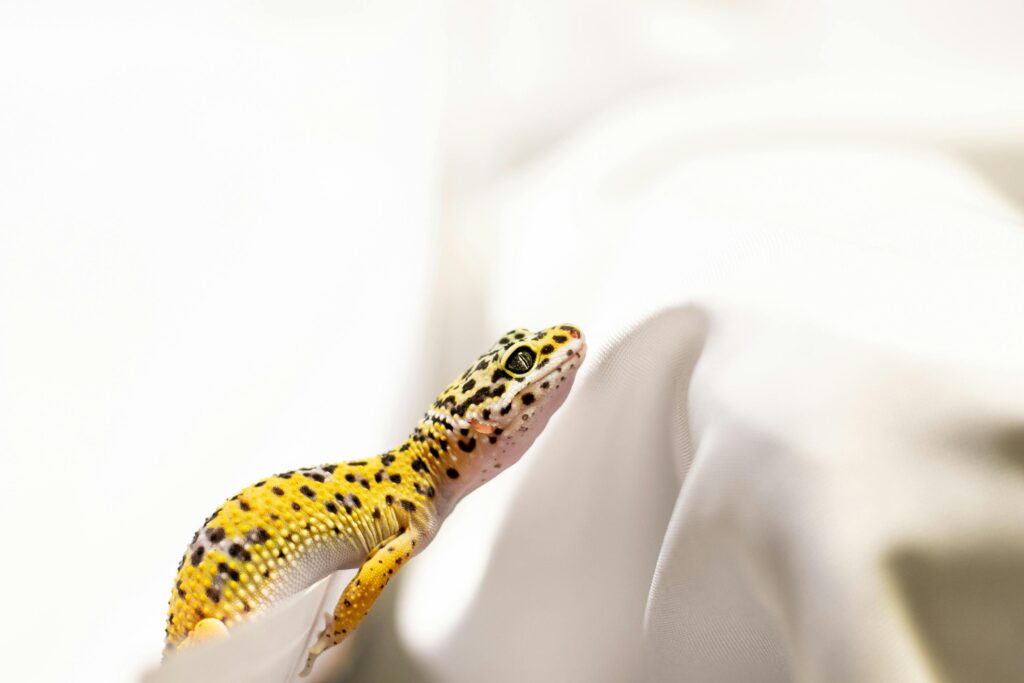
What Is a Leopard Gecko?
A Leopard Gecko (Eublepharis macularius) is a small ground-dwelling lizard from dry regions of Asia (like Afghanistan, Pakistan, India, and Iran). They are one of the most popular pet reptiles because they are:
Long-lived (often 10–20+ years with good care)
Calm and handleable
Relatively affordable
Active at cooler temperatures compared to many other reptiles
Basic Care — Fact-Checked Essentials
These are the core things a beginner must know to keep a Leopard Gecko healthy:
- A 20-gallon tank (75×30 cm) is standard for one adult.
- Provide hides: at least three (warm, cool, and a moist hide).
- Substrate: reptile carpet, paper towels, or tiles. Avoid sand — it can cause impaction if eaten.
Temperature
- Warm side: ~88–92°F (31–33°C)
- Cool side: ~75–80°F (24–27°C)
- Night temp can drop slightly.
- Heat with an under-tank heater, not hot rocks.
Feeding
- Insectivores: crickets, roaches, mealworms, superworms.
- Feed juveniles daily; adults every 2–3 days.
- Calcium + vitamin D3 powder dusting is essential to prevent metabolic bone disease.
Water & Humidity
A humid hide (moist moss or paper) helps geckos shed skin.
Fresh water in a shallow bowl.
Dangers / Risks for Beginners
Leopard Geckos are hardy, but there are common problems beginners should know about:
1. Impaction
What it is: blockage in the digestive tract.
Cause: eating substrate (like sand) or large, hard insects.
Signs: no droppings, lethargy, bloated belly.
Prevention: use safe substrate, feed appropriately sized insects, keep hydration up.
2. Metabolic Bone Disease (MBD)
What it is: weakened bones due to calcium deficiency.
Signs: soft jaw/limbs, tremors, bowed legs.
Prevention: regular calcium + vitamin D3 supplementation and proper lighting.
3. Shedding Problems
Cause: low humidity and lack of moist hide.
Signs: retained skin on toes/eyes.
Prevention: always provide a moist hide for shedding.
What it is: internal or external bugs.
Signs: weight loss, diarrhea, dull appearance.
Prevention: routine fecal exams by a vet and clean habitat regularly.
Bearded Dragon
Why Bearded Dragons Are Great for Beginners
Bearded dragons are one of the most popular pet reptiles for beginners because they are docile, hardy, and easy to handle. Native to Australia, these lizards adapt well to captivity and often develop calm, friendly behavior when handled regularly. Adults typically grow 18–24 inches (45–60 cm) long and can live 10–15 years with proper care.
They are active during the day (diurnal), which makes them easier to observe and interact with compared to nocturnal reptiles. Their care requirements are well-documented, and supplies such as tanks, UVB lights, and food are widely available.
Basic Care Needs (Fact-Checked)
- Enclosure: Minimum 40-gallon tank for adults (larger is better)
- Temperature:
- Basking spot: 95–110°F (35–43°C)
- Cool side: 75–85°F (24–29°C)
- Lighting: Strong UVB lighting is essential for calcium absorption and bone health
- Diet: Omnivorous
- Juveniles: Mostly insects (crickets, dubia roaches)
- Adults: More vegetables (collard greens, mustard greens, squash)
- Humidity: Low to moderate (30–40%)
These conditions closely match their natural desert habitat and are critical for long-term health.
Potential Dangers
Even though bearded dragons are beginner-friendly, improper care can lead to serious health problems:
- Metabolic Bone Disease (MBD)
- Caused by lack of UVB light or insufficient calcium
- Leads to weak bones, deformities, and paralysis
- Impaction
- Occurs when a dragon swallows indigestible substrate (sand, gravel) or oversized food
- Can cause constipation or intestinal blockage
- Burns and Overheating
- Direct contact with heat bulbs or rocks can burn the skin
- Poor Nutrition
- Overfeeding insects or using the wrong vegetables can cause obesity or vitamin deficiencies
How to Prevent These Problems
- Use a high-quality UVB bulb (replace every 6–12 months)
- Dust insects with calcium and vitamin supplements
- Feed appropriately sized insects (no larger than the space between the eyes)
- Avoid loose sand; use tile, reptile carpet, or paper towels instead
- Use thermometers and thermostats to monitor enclosure temperatures
- Provide a balanced diet with safe vegetables and limited fruit
Corn Snake
The Corn Snake is one of the most popular pet reptiles for beginners—and for good reason. Native to the southeastern United States, corn snakes are non-venomous, docile, and easy to care for. Their manageable size, calm temperament, and wide variety of colors (called morphs) make them an excellent first snake.
Why Corn Snakes Are Great for Beginners
- Calm and tolerant of handling once accustomed to people
- Low maintenance compared to many reptiles
- Simple diet (pre-killed or frozen-thawed mice)
- Hardy species that adapts well to captivity
- Does not require complex lighting or humidity systems
These traits make corn snakes ideal for new reptile owners who want a rewarding but manageable pet.
Care Basics (Beginner Friendly)
- Enclosure: 20–40 gallon tank (larger for adults) with secure lid
- Temperature:
- Warm side: ~29°C (85°F)
- Cool side: ~22–24°C (72–75°F)
- Humidity: 40–60%
- Diet: Frozen-thawed mice every 7–10 days
- Handling: 2–3 short sessions per week
Potential Dangers (Low Risk)
Corn snakes are not dangerous, but beginners should be aware of minor risks:
- Defensive Bites
- Rare and usually occur when the snake feels threatened or mistakes a hand for food
- Bites are non-venomous and similar to a light scratch
- Stress-Related Health Issues
- Excessive handling or poor enclosure conditions can cause stress
- Stress may lead to feeding refusal or weakened immunity
- Escape Risk
- Corn snakes are skilled escape artists if the enclosure is not secure
How to Prevent Problems
- Always wash hands before handling to avoid food smells
- Handle gently and confidently—avoid sudden movements
- Provide hiding spots to help the snake feel secure
- Maintain proper temperature and humidity
- Use a tight-fitting, locked enclosure lid
- Feed with tongs to reduce accidental bites
Ball Python
What a Ball Python Is
They are nocturnal (active at night) and solitary animals.
Ball Pythons (Python regius) are non-venomous snakes native to Sub-Saharan Africa. They’re named for their defense behavior: when scared, they curl up into a tight “ball” with their head protected in the center.
Adults typically grow to about 4–5 feet (1.2–1.5 m) long.
Why They’re Often Listed as Beginner Reptiles
Calm and Docile: Most ball pythons have a gentle temperament and can tolerate handling well once they are acclimated.
Manageable Size: They’re smaller than many other pythons and easier to house.
Long Lifespan: With proper care, they can live 20-30+ years — potentially a long-term companion.
Dangers & Challenges (What Beginners Must Know)
1. Temperature & Humidity Needs
Ball pythons require specific heat gradients and humidity levels to stay healthy. Too hot, too cold, too dry, or too moist can cause health problems like respiratory infections or shedding issues.
Prevention: Use reliable thermometers and hygrometers; maintain correct warm and cool zones; and adjust humidity especially during shedding.
2. Feeding Sensitivity
They eat thawed frozen rodents (mice/rats), ideally offered at night.
- Live prey should not be used — it can injure the snake.
- Ball pythons are sometimes picky eaters and may refuse food occasionally.
Prevention: Warm the frozen prey to room temperature, use feeding tongs, and feed in a separate area to avoid bites.
3. Health & Disease Risks
They can develop common reptile illnesses like:
- Respiratory infections
- Skin problems (scale rot)
- Parasites
- Retained sheds
All reptiles can carry zoonotic bacteria like Salmonella.
Prevention: - Clean the habitat regularly.
- Wash hands before/after handling.
- Schedule annual vet checkups with an exotic pet veterinarian.
4. Handling Risks
Although ball pythons are not aggressive, they may strike defensively or mistake a warm hand for food.
Prevention:
- Wash hands to remove food scents.
- Avoid handling right before or soon after feeding or during shedding.
5. Long-Term Commitment
Living many decades means you must be ready for long-term care and possible cost for habitat equipment, food, and vet care over years.
Crested gecko
The Crested Gecko is one of the best reptiles for beginners due to its calm temperament, small size, and simple care requirements. Native to New Caledonia, this species was once thought to be extinct until rediscovered in 1994. Today, it is widely captive-bred and commonly kept as a pet.

Why Crested Geckos Are Great for Beginners
- No UVB strictly required (though low-level UVB can be beneficial)
- No live insects required (can thrive on commercial powdered diets)
- Docile and easy to handle
- Do not require high heat like many reptiles
- Low odor and minimal maintenance
Basic Care Facts (Fact-Checked)
- Temperature: 70–78°F (21–26°C)
They do NOT tolerate high heat - Humidity: 50–70% with light daily misting
- Diet: Commercial crested gecko diet (CGD), occasional insects or fruit
- Enclosure: Vertical terrarium with climbing branches and plants
- Handling: Gentle, short sessions (they may jump suddenly)
Potential Dangers & Risks
Even though crested geckos are beginner-friendly, improper care can lead to serious problems:
Jumping from high surfaces can result in broken toes or jaws.
How to Prevent Problems
- Use a digital thermometer and hygrometer
- Never use heat lamps unless your room is very cold
- Mist enclosure once or twice daily
- Provide soft landing areas with plants and cork bark
- Handle close to the ground or over a soft surface
- Feed a balanced commercial crested gecko diet
Overheating
Temperatures above 82°F (28°C) can cause stress, organ failure, or death.
Dehydration
Low humidity or lack of water droplets can lead to shedding issues and lethargy.
Tail Loss
Crested geckos can drop their tail when stressed.
Unlike some lizards, their tail does not grow back.
Falls & Injuries
Blue Tongued Skink
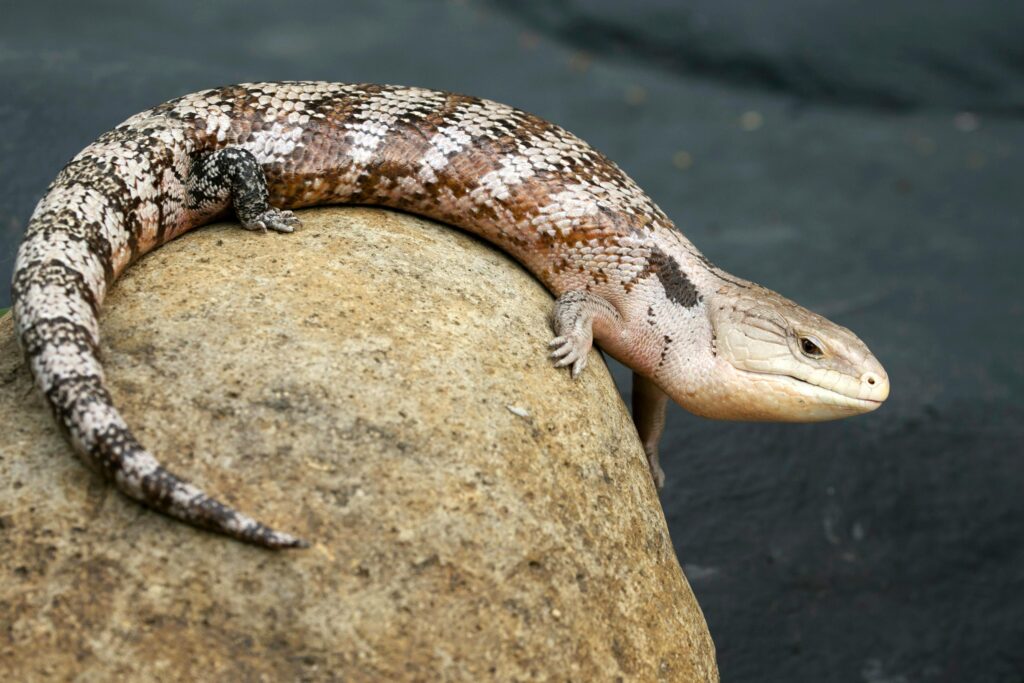
What is a Blue-Tongued Skink?
A Blue-Tongued Skink is a medium-sized lizard native to Australia and nearby regions, known for its bright blue tongue and smooth, glossy scales. They usually grow about 12–24 inches long and have a calm, curious personality that makes them popular as pets.
Why They’re Good for Beginners
- Docile and calm: They’re generally gentle and tolerant of handling, especially once they get used to their human caretakers.
- Easy to feed: Skinks are omnivores and accept a mix of vegetables, fruits, and proteins — you don’t only need live insects.
- Hardy overall: They are fairly resilient as long as basic needs (heat, light, food, clean habitat) are met, and they can live 15–20 years or more with proper care.
Interesting Fact — The Blue Tongue
The bright blue tongue isn’t dangerous — nature shaped it as a defense mechanism. When threatened, the skink will show its blue tongue and puff up to look bigger and discourage predators.
Potential Dangers / Risks
1. Biting (Rare but Possible)
Naturally calm, skinks may still bite if scared or mishandled. Their teeth aren’t venomous, but their strong jaws can give a painful nip. Handle them gently to reduce stress.
2. Habitat Hazards
- Incorrect heat or lighting can harm a skink. Reptiles need a controlled temperature gradient and adequate UVB light to stay healthy.
- Burns: Heat lamps placed too close or without guards can burn your pet.
3. Health Issues
- Metabolic Bone Disease (MBD): Caused by a lack of calcium or UVB light — makes bones weak and misshapen.
- Parasites: Wild-caught or poorly quarantined skinks may have internal or external parasites.
- Respiratory or shedding problems: Improper humidity and temperature can lead to sickness or difficulty shedding skin.
4. Salmonella Risk
Like many reptiles, skinks can carry Salmonella bacteria. Wash your hands after handling them or cleaning the tank to prevent infection.
How to Prevent Problems
Provide Proper Habitat
- Use a large enclosure with a heat gradient so the skink can thermoregulate.
- Include UVB lighting to help vitamin D3 production and bone health.
- Maintain 40–60 % humidity to support good shedding.
Good Diet & Supplements
- Feed a balanced mix of vegetables, fruits, and protein.
- Dust food with calcium/Vitamin D3 to prevent bone problems.
Regular Cleaning & Hygiene
- Clean and disinfect the habitat regularly.
- Always wash your hands after handling your pet or its enclosure.
Source Responsibly
Avoid wild-caught skinks when possible. Captive-bred animals are usually healthier and easier to care for.
Russian Tortoise
Russian Tortoise — Beginner-Friendly but With Important Care Needs
What is a Russian Tortoise?
The Russian Tortoise (Testudo horsfieldii) is a small, terrestrial tortoise species originally from dry regions of Central Asia. They’re popular as starter reptile pets because they are docile, non-venomous, and can tolerate handling well compared to many reptiles. They don’t bite or scratch, which makes them feel safe for beginner keepers.
Why They’re Good for Beginners
Adaptable — can live indoors or outdoors in proper climates.
Herbivorous diet — eat leafy greens and vegetables (no live insects).
Friendly temperament — generally calm and easy to handle.
Common Dangers & Health Risks
Even though they’re hardy, Russian Tortoises can face serious problems if their care isn’t right — some can even be dangerous to their health or yours:
1. Metabolic Bone Disease (MBD)
Without proper UVB lighting and adequate calcium, tortoises can develop weak bones and soft shells. This can lead to deformities, fractures, weakness, and even death.
Prevention:
Supplement diet with calcium regularly.
Provide a UVB light source daily (about 12–14 hours).
Respiratory Infections
Too much humidity or cold, damp conditions can cause respiratory illness — tortoises may wheeze or have nasal discharge.
Prevention:
- Keep the enclosure dry and well-ventilated.
- Maintain correct temperature gradients (warm basking area and cooler spots).
Parasites
Russian Tortoises may carry internal parasites (worms, protozoa) that cause weight loss, diarrhea, or lethargy — and some parasites can be passed between tortoises.
Prevention:
- Keep the enclosure clean; remove waste daily.
- Wash leafy foods before feeding.
- Have a vet check stool samples and treat infections promptly.
Dehydration
These tortoises often don’t drink enough from a dish alone — dehydration can lead to kidney problems and lethargy.
Prevention:
- Provide fresh water daily.
- Soak them in warm, shallow water weekly to promote hydration.
Salmonella Risk
Like all reptiles, Russian Tortoises can carry Salmonella bacteria — this doesn’t usually harm the tortoise but can make people sick (especially children, elderly, or immunocompromised).
Prevention:
- Wash hands thoroughly after handling the tortoise or cleaning its enclosure.
- Teach children not to kiss or put their hands in their mouths after contact.
Other Important Care Tips
- Space: They are active and need a relatively large enclosure with areas to burrow and explore.
- Diet: Focus mainly on leafy greens and high-fiber plants; avoid sugary or high-protein foods.
- Hygiene: Regularly clean bedding and water dishes.
- Temperature & Light: Provide a hot basking spot (around 32–38 °C/90–100°F) plus a cooler area; use both heat and UVB lighting.
Gargoyle Gecko
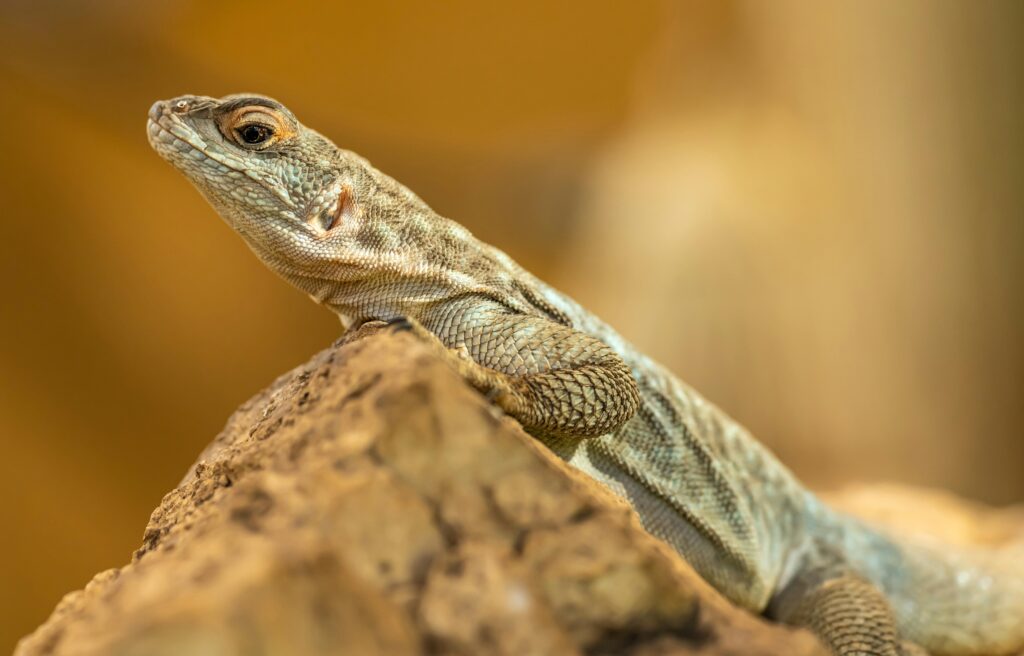
The Gargoyle Gecko (Rhacodactylus auriculatus) is a small tropical gecko native to the forests of New Caledonia. It gets its name from the small bony “knobs” on its head that look a bit like the stone faces on old buildings. They have an attractive, often mottled appearance and usually reach about 8–10 inches (20–25 cm) in length as adults.
Basic Care Facts
Habitat & Enclosure
Substrate: Use safe substrates like paper towels (especially for babies) or reptile-safe soil—avoid wood shavings, coconut fiber pieces, or anything they might accidentally ingest, which can cause digestive blockages (“impaction”).
Size: Provide a vertical (tall) enclosure—adult gargoyles benefit from about a 20-gallon (≈75 L) or larger habitat with plenty of climbing branches and hides.
Humidity: They come from humid forests and prefer 50–80 % humidity. Mist the habitat regularly and monitor with a hygrometer.
Temperature: Daytime ~72–80 °F (22–27 °C) and slightly cooler at night; avoid overheating (above ~80 °F/27 °C).
Diet
- Commercial Diet: Most owners feed a fruit-based gecko formula made for gargoyle or crested geckos several times per week.
- Live Food: Add small gut-loaded insects (like crickets, small roaches) once a week or so. Dust insects with calcium powder to help bone health.
- Always remove uneaten food after a few hours to keep the enclosure clean.
Water & Cleanliness
- Provide fresh water daily and mist regularly to maintain humidity and help with shedding.
- Spot-clean droppings daily; full habitat cleaning monthly.
Handling
- Gargoyle geckos tolerate gentle handling, but they’re not as interactive as cats or dogs.
- Never grab them by the tail—they can drop it when stressed. The tail will regrow, but not exactly like the original.
Dangers & Common Health Issues
Here are the main things beginners should watch out for:
1. Metabolic Bone Disease (MBD)
This occurs when calcium or vitamin D3 levels are insufficient. Symptoms include weak limbs, bone deformities, and lethargy. It’s preventable with proper calcium supplementation and appropriate diet/husbandry.
How to prevent:
Dust insects with calcium and consider UVB lighting or diet with vitamin D3 as recommended.
Impaction
If a gecko ingests substrate particles (like wood chips), these can block the digestive tract.
How to prevent:
Use safe substrates like paper towels or reptile soil. Avoid wood shavings or bark.
Shedding Problems
Inadequate humidity can cause retained shed, especially around toes or eyes, potentially leading to injury.
How to prevent:
Maintain proper humidity (50–80 %). Provide moist hides during shed cycles.
Stress & Tail Loss
Rough handling or sudden movements can stress geckos and cause tail dropping.
How to prevent:
Handle gently and let the gecko come to you. Keep the environment calm and secure.
Uromastyx Lizard
The Uromastyx lizard, also known as the spiny-tailed lizard, is a calm, hardy reptile that makes a great pet for beginners who want a low-maintenance and herbivorous reptile. Native to North Africa, the Middle East, and parts of Asia, Uromastyx are well adapted to dry, desert environments.
Why Uromastyx Are Good for Beginners
Diurnal: Active during the day, making them fun to observe
Docile temperament: They are generally calm and rarely aggressive
Herbivorous diet: Eat leafy greens, vegetables, and seeds—no insects required
Hardy species: Strong immune system when housed correctly
Low odor & quiet: Ideal for homes or apartments
Basic Care Requirements
- Enclosure: Large tank (minimum 40–75 gallons for adults)
- Temperature:
- Basking spot: 120–130°F (49–54°C)
- Cool side: 80–85°F (27–29°C)
- UVB lighting: Essential for calcium absorption and bone health
- Humidity: Very low (10–20%)
- Diet: Collard greens, mustard greens, dandelion greens, squash, lentils, seeds
Potential Dangers & Risks
While Uromastyx are generally safe, beginners should be aware of these risks:
- Metabolic Bone Disease (MBD)
- Caused by lack of UVB lighting or calcium
- Dehydration or overheating
- Result of improper temperature setup
- Tail injuries
- Their spiny tails are defensive and can injure if handled roughly
- Stress from overhandling
- Especially in young or newly acquired lizards
How to Prevent These Problems
Use high-quality UVB lighting (replace every 6–12 months)
Provide a proper heat gradient with a reliable thermostat
Dust food with calcium supplements (without D3 if UVB is strong)
Handle gently and limit handling sessions
Ensure a dry environment to prevent respiratory issues
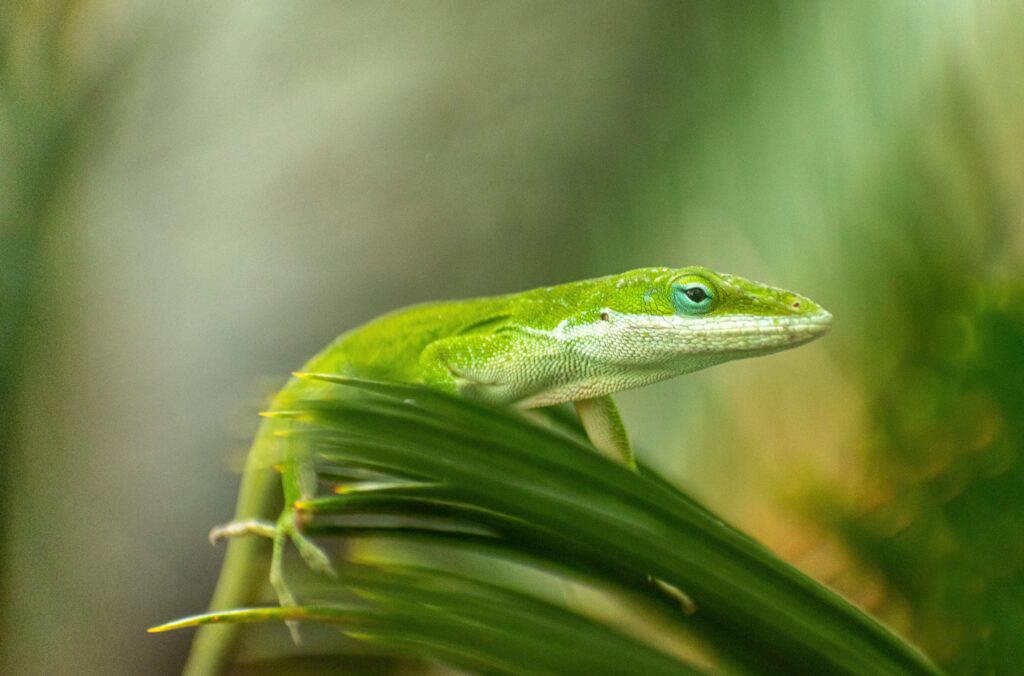
The Green Anole is a small, lightweight lizard native to the southeastern United States. It is often recommended for beginners because it is affordable, widely available, and relatively easy to care for compared to many other reptiles. Green Anoles are arboreal (tree-dwelling) and are best suited for owners who enjoy observing rather than handling their pet.
Green Anole
Adult size is typically 5–8 inches (12–20 cm) including the tail, and with proper care, they can live 4–8 years in captivity.
Why Green Anoles Are Good for Beginners?
Not aggressive: They are shy and rarely bite
Simple habitat needs: A vertical terrarium with plants, branches, and proper lighting is sufficient
Low feeding cost: They eat small insects like crickets and fruit flies
Active and interesting behavior: Color changes from green to brown help indicate mood and temperature
Basic Care Requirements
- Enclosure: Minimum 10–20 gallon tall tank for one anole
- Temperature:
- Daytime: 75–85°F (24–29°C)
- Basking spot: ~90°F (32°C)
- Humidity: 60–70% with daily misting
- Lighting: UVB light is essential for calcium absorption
- Diet: Small live insects (crickets, roaches, fruit flies) dusted with calcium and vitamin supplements
Potential Dangers & Risks
1. Stress From Handling
Green Anoles are easily stressed. Excessive handling can lead to:
- Loss of appetite
- Weakened immune system
- Tail dropping (a defense mechanism)
2. Improper Temperature or Lighting
Without correct heat or UVB:
- Metabolic bone disease (MBD) can develop
- Growth and movement problems may occur
3. Dehydration
Anoles rarely drink from bowls and rely on water droplets from misting.
4. Salmonella Risk (Low but Possible)
Like all reptiles, Green Anoles can carry Salmonella bacteria, which can transfer to humans through poor hygiene.
How to Prevent Problems
- Limit handling to emergencies only
- Use proper UVB lighting and replace bulbs every 6–12 months
- Mist enclosure daily to maintain humidity and provide drinking water
- Wash hands thoroughly after cleaning the tank or touching the reptile
- Avoid housing multiple males together, as they may fight
FAQs
What are the easiest reptiles for beginners?
Leopard geckos, Bearded dragons, Corn snakes, Ball pythons, Turtles, Crested geckos, Blue-tongue skinks, Russian tortoises, Red-eared sliders, and Gargoyle geckos.
Do beginner reptiles require special diets?
Yes, but many beginner reptiles have simple dietary needs:
- Leopard geckos & crested geckos – mainly eat insects or commercial reptile diets.
- Bearded dragons – eat vegetables, fruits, and insects.
- Snakes – typically eat pre-killed rodents.
- Turtles – eat vegetables, aquatic plants, and occasional protein.
How much space do beginner reptiles need?
Space requirements vary by species:
- Small geckos – 10–20 gallon tanks.
- Bearded dragons – at least a 40–55 gallon tank.
- Snakes – depends on length; corn snakes do well in 20–40 gallon enclosures.
- Turtles – need both water for swimming and a basking area.
How often do reptiles need to be handled?
Beginner reptiles can be handled, but frequency depends on the species:
- Geckos & skinks – gentle handling 10–15 minutes a day.
- Snakes – can be handled a few times a week once they’re comfortable.
- Turtles & tortoises – minimal handling; they are better observed than held.
How long do beginner reptiles live?
Lifespan varies by species:
- Leopard geckos – 10–20 years
- Bearded dragons – 8–12 years
- Snakes – 10–20 years depending on type
- Turtles & tortoises – 20–50+ years
FAQs
What is the best pet reptile for beginners?
Leopard geckos are often considered the best pet reptiles for beginners because they are friendly, easy to handle, and require simple care.
Are reptiles easy to take care of for first-time owners?
Yes, many reptiles are easy to care for if their basic needs like proper habitat, heat, and diet are met.
Which reptiles require the least maintenance?
Corn snakes, leopard geckos, and crested geckos are low-maintenance reptiles that are ideal for beginners.
Do beginner reptiles need special lighting or heating?
Most reptiles need a heat source to regulate their body temperature. Some also benefit from UVB lighting for better health.
Are pet reptiles safe for children?
Yes, beginner-friendly reptiles can be safe for children when handled gently and under adult supervision.
How much space does a beginner reptile need?
Space requirements depend on the species, but many beginner reptiles can live comfortably in a small to medium-sized terrarium.
What do beginner reptiles usually eat?
Most beginner reptiles eat insects, vegetables, or pre-killed rodents, depending on the species.
How long do pet reptiles live?
Reptiles can live a long time. Some beginner reptiles live 10–20 years with proper care.
Are reptiles expensive pets to keep?
Reptiles are generally affordable, but initial setup costs like terrariums and heating equipment may be higher.
Do reptiles enjoy being handled?
Some reptiles tolerate handling well, but they are not affectionate like dogs or cats. Gentle and limited handling is best.
Conclusion
For a beginner, picking the right animal is important for a good time. The above animals are great choices because they are hardy, do not need much care, and are fun to own. The bearded dragon, the ball python, and the gargoyle gecko are great pets for people new to taking care of reptiles. Before bringing a reptile home, you should always find out what kind of care it needs, prepare the cage, and ensure you can handle the responsibility. Reptiles can live long, healthy, and interesting lives as pets if they get the right care.